Lemon groves Amalfi Coast names terrace labor before souvenir neon: chestnut poles, nets, climbing families, grove height, and Costiera dignity that refuses to cure grief or history with yellow spa wallpaper on an emptied working map.
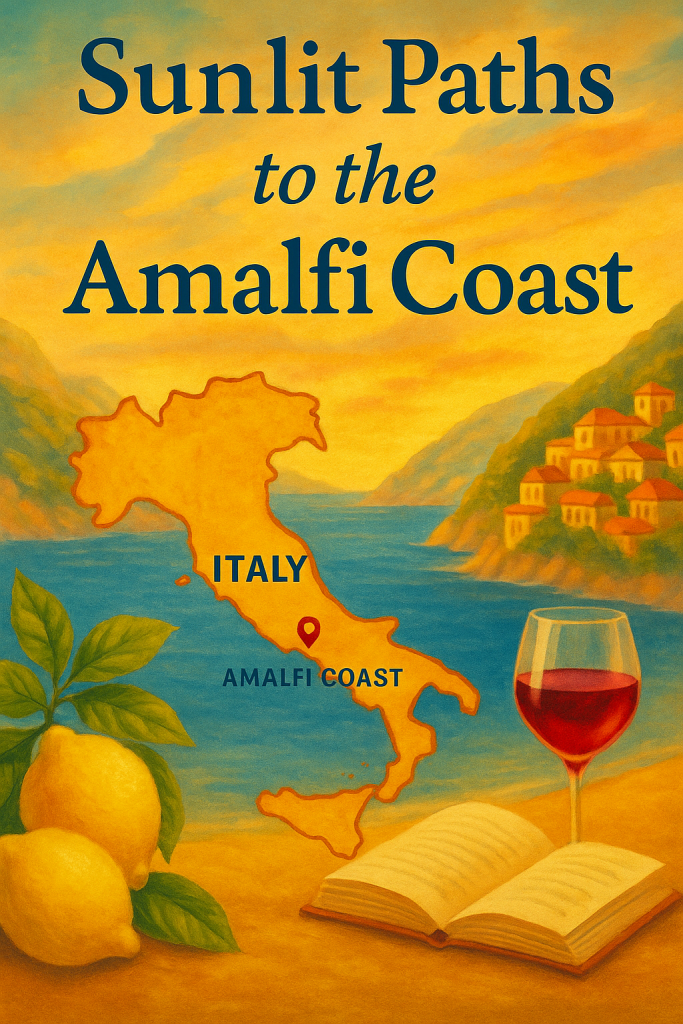
We write as Marina and Miles Ashford. Our novel, Sunlit Paths to the Amalfi Coast: A Love Story Lived, then Written, is adult second-chance / grief-and-healing travel romance. Roughly eighty percent of it grew from years we lived and walked in Italy together. The cover is a painting, not a photograph of us. Sofia Moretti and Tom Bennett are characters; the book is fiction, not a memoir. Marina Miles Books is the imprint. Adult heat exists later in the novel’s arc; daily essays here stay on place, attention, and dignity.
Earlier today we published Amalfi lemons as the fruit-first head, plus limoncello as digestivo long-tail and the older Amalfi Coast lemons as sfusato grammar. Those doors stay. This page owns lemon groves Amalfi Coast as the grove-and-terrace labor door into Sofia’s Kitchen and place pressure: distinct from the fruit bowl, and not a clone of the neon souvenir aisle.
Grove Labor Versus Fruit Postcard
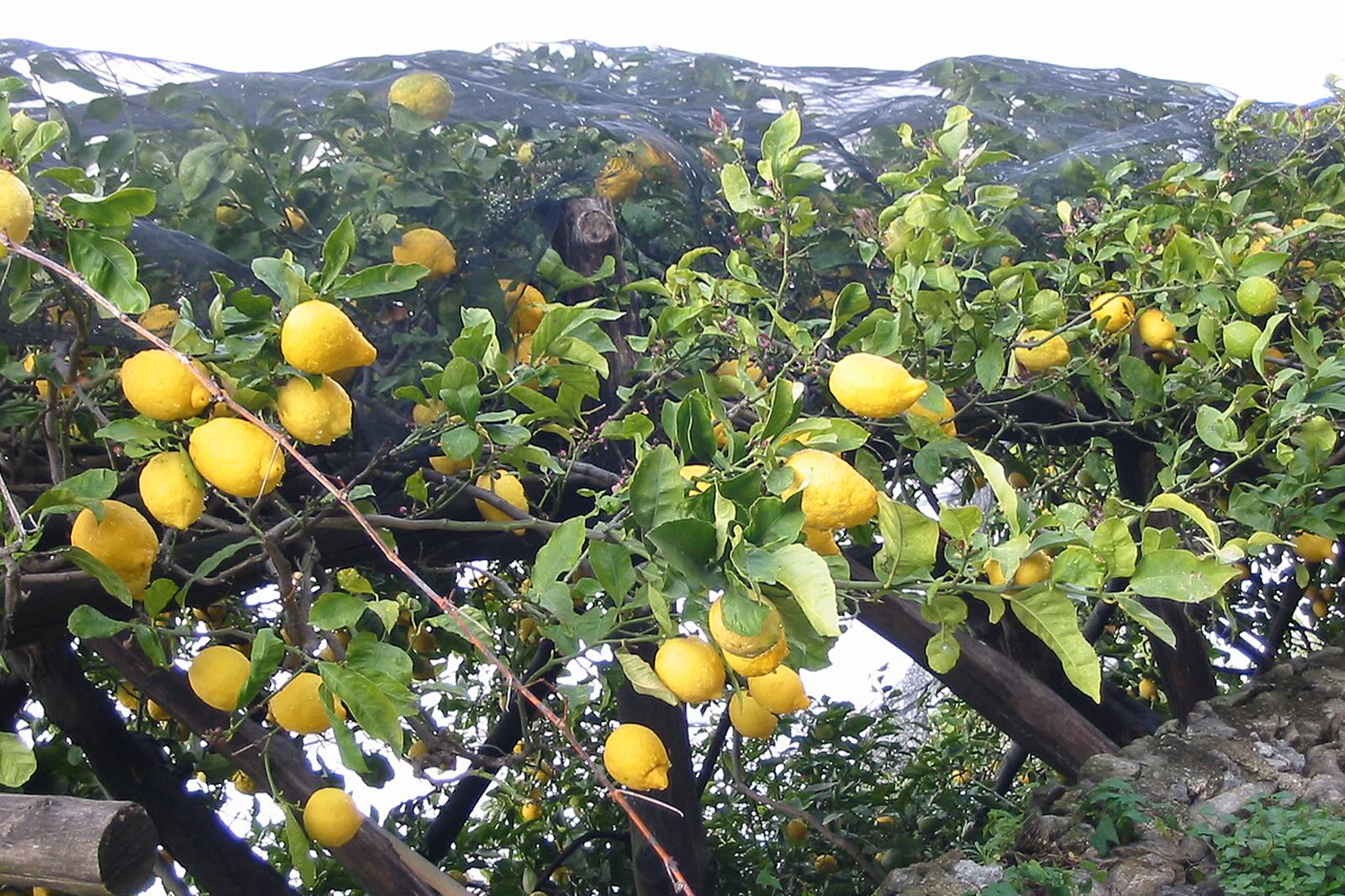
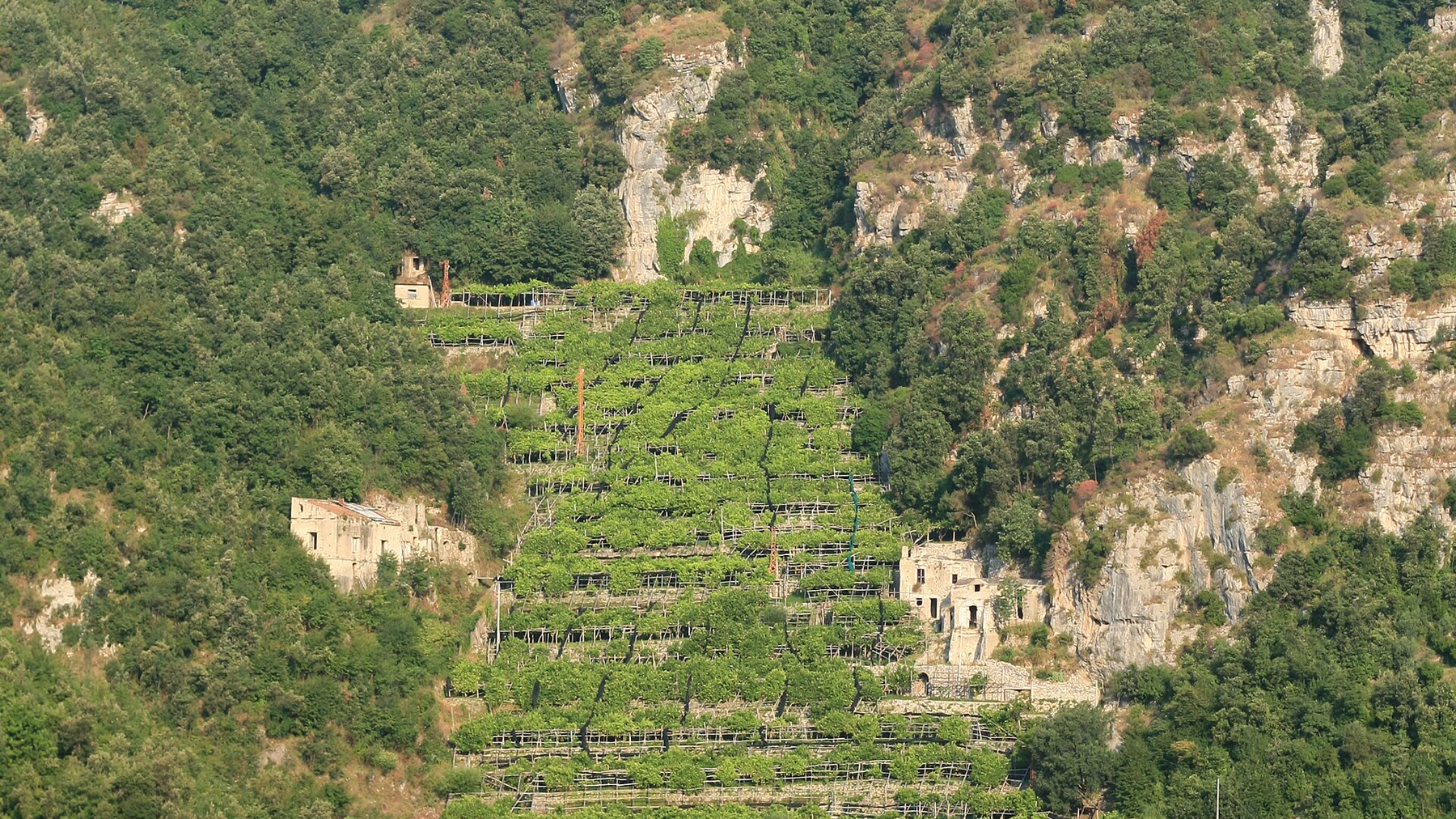
Autocomplete treats lemon groves Amalfi Coast as soft yellow wallpaper: endless fruit, gift-shop smiles, a coast that rearranges itself for two people and a photograph. Lived Costiera grammar is colder. Terraces need poles and nets. Fruit needs climbing and timing. Paths between groves punish pride. Soft travel blurbs skip labor because labor does not fit a thumbnail. Civic lemon groves keep the labor in the room: families who still climb, shade that still costs chestnut wood, bowls that wait only after someone worked.
Amalfi lemons, as we wrote earlier, is the fruit-first climate door: peel, rind, bowl, kitchen hours. Lemon groves Amalfi Coast adds the place contract: terrace architecture, height towns beside harbor towns, pergola grammar, and the fact that a grove is a working landscape before it is romance scenery. Soft destination fluff wants private villas and empty paths. Civic grove romance shares the climb with strangers and heat that will not rearrange for private weather.
Readers who type lemon groves Amalfi Coast may want grove photos, sfusato facts, walking tips, limoncello method, or a romance-kitchen door into southern Italy. We do not republish the full IGP essay here, and we do not publish full recipes on this page. Full kitchen methods that belong to the novel live in the book and are named on Sofia’s Kitchen. This page is grove climate and reader intent: why lemon groves Amalfi Coast belong to coastal labor, and how they sit beside second-chance attention without becoming spa medicine.
Why Terrace Height Changes the Phrase
Fruit in a generic Mediterranean bowl can float. Fruit on lemon groves Amalfi Coast has to share inconvenience. Heat sticky-slows a sentence on the climb. Nets and poles interrupt the view. A path between terraces forces two adults to choose who goes first. Soft blurbs dissolve every hard day into charm. Civic grove climate keeps the pharmacist’s hours below, the closed shop, and the ferry that will not wait while someone poses under a branch.
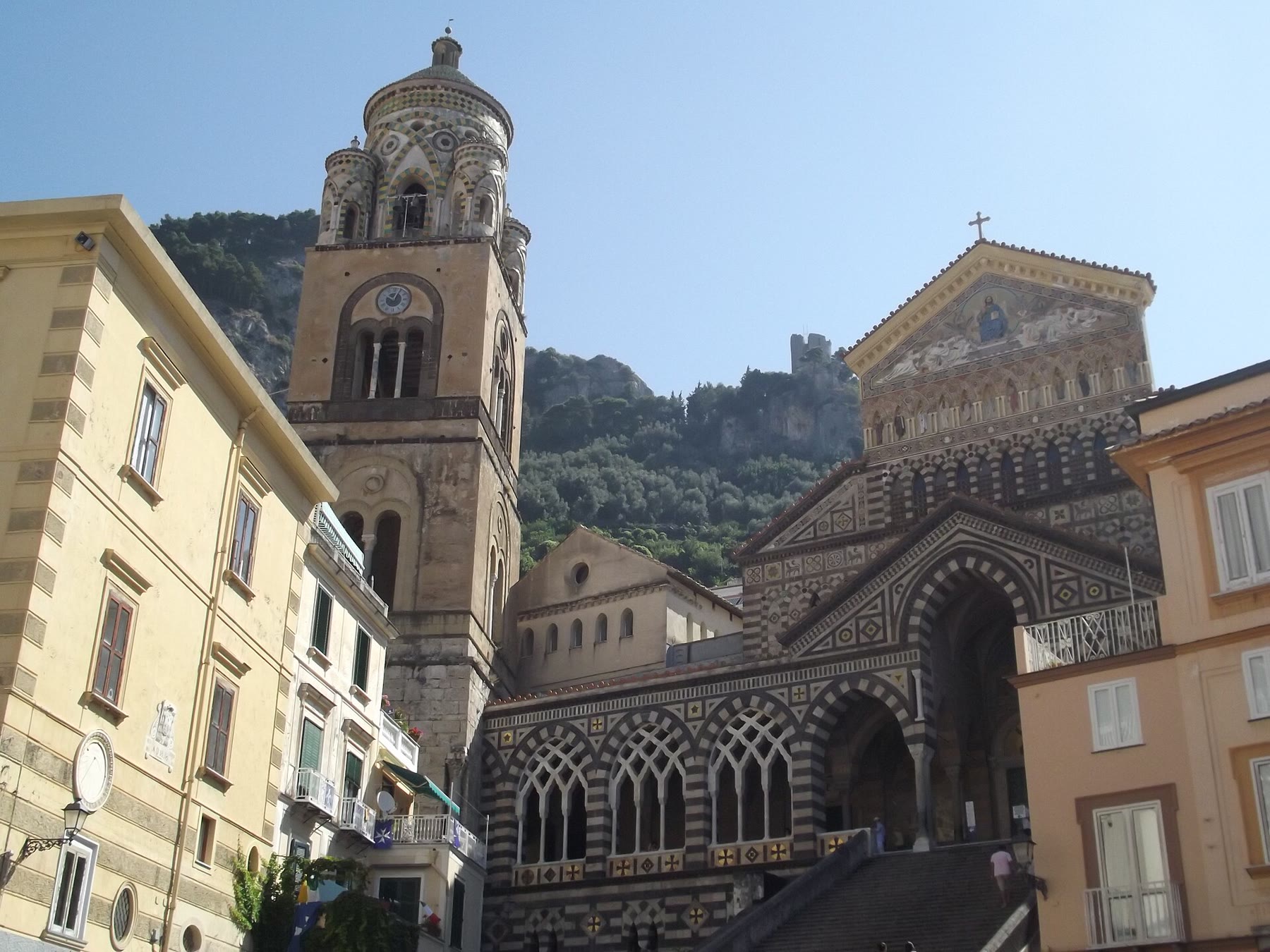
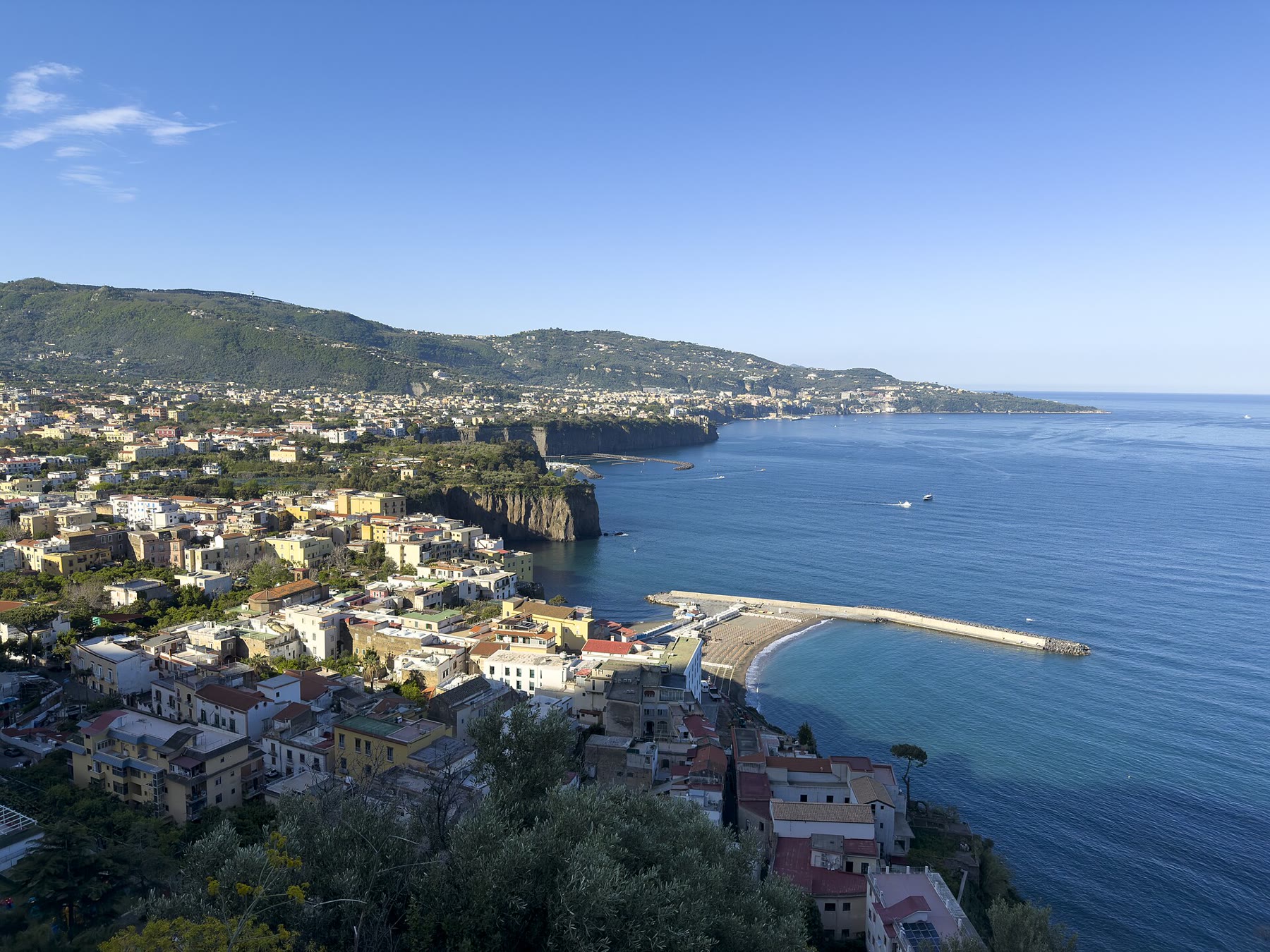
Town contracts matter because the coast is not one stock photo. Amalfi town can arrive as harbor crush and terrace climb. Praiano as stacked neighbor height. Sorrento as hinge and ferry noise. Ravello as altitude above Minori. Lemon groves Amalfi Coast that flattens those grammars into one emptied overlook has already failed the place half of the search, even if the blurb shouted “lemon groves” loudly enough for autocomplete.
In our novel’s world, Amalfi Coast evenings hold lemon brightness beside dishes and wine doors named on Sofia’s Kitchen. Lemon groves Amalfi Coast as a search phrase sits next to those kitchens as labor first: climb, shade, fruit that costs someone else’s morning. Soft feast language wants private villas and empty streets. Civic lemon tables share the room with cousins who laugh too loud after the climb.
How to Taste the Grove Without Cloning Amalfi Lemons
Open a free sample that sells Amalfi evenings as romance climate. Ignore the cover toast for thirty seconds. Watch the first inconvenience around the grove or the climb, not only the bowl.
Does someone’s body tire from terrace height before the lemon arrives, or does every path dissolve into charm? Do poles, nets, heat, or a closed shop force a choice, or does the plot float above logistics? Are groves hospitality with labor, or neon wallpaper that cures history? Are two adults negotiating attention with grief still in the room, or is one person a tour for the other’s soft reset?
Those questions are the quiet test for lemon groves Amalfi Coast as a grove long-tail into romance kitchens and places. Midlife second chance needs forced choices more than glowing branches. Grief-and-healing romance needs a coast that will not rearrange itself. Travel romance books set against Amalfi terraces need public life that keeps working while sorrow or desire shares the path. If Praiano or Amalfi town could be swapped for a generic Mediterranean orchard without rewriting a scene, the geography failed even if the blurb shouted groves.
Also watch soft lies that pile into autocomplete: endless empty terraces, grief cured by one bright grove, towns with no diesel below, couples who never share a path with a stranger, gift-shop fruit that never required a ladder. Italy can hold private weather. It does not owe anyone a private country. Readers hunting lemon groves Amalfi Coast with dignity are often asking, without those exact words, for a story that respects what the climb still asks.
A practical neighbor for readers who want Costiera walking and place pressure beside grove climate, without pretending this essay is a free guidebook scrape or a clone of our Amalfi lemons fruit page, is the Walking on the Amalfi Coast guide (ASIN B07KSHGGYG): paths, timing, and civic feet on a working map. As an Amazon Associate, Marina Miles Books earns from qualifying purchases. That link is a door, not a #1 badge. For named dishes and wine doors tied to the novel, return to Sofia’s Kitchen. For place hubs tied to the book, keep Italy places in the book beside the kitchen.
Lived detail stays ordinary on purpose. Poles that need replacing after winter wind. Nets that catch fruit before it bruises on stone. A climb that oils your shirt before conversation softens. Shade that feels like mercy only because someone built the pergola. A market hour below that will not open early for private breakthroughs. These are not exotic props. They are the grammar that keeps lemon groves Amalfi Coast from floating into spa fantasy. Soft blurbs cut them. Samples with civic teeth keep them.
Also notice what this grove head does not require. It does not require a trauma dump on page one. It does not require the coast to become a private chapel. It does not require republishing every fruit fact already named on Amalfi lemons, or every peel ratio so search engines can scrape a fake liqueur manual. Adult second chance after loss can be quiet, stubborn, and still thirsty later without turning grief or place into marketing chili peppers. Daily essays here stay on place and dignity; the novel carries heat and kitchen methods in their proper rooms. Amalfi lemons remains the fruit head; limoncello remains the bottle long-tail; this page remains the grove-and-terrace labor door.
Related searches overlap this hunger: Amalfi lemons, Amalfi Coast lemons, limoncello, Amalfi Coast cuisine, foodie romance novels, Path of the Gods, Sofia’s Kitchen, places in the book. They are not identical doors. Lemon groves Amalfi Coast stays the grove-first long-tail into Sofia’s Kitchen and Costiera place pressure. Soft blurbs hide that distinction because “neon souvenir” sells faster than “the terrace needed climbing.”
One more Costiera fact belongs beside lemon groves Amalfi Coast. Tourist density is not the enemy of dignity; emptied density is. A path full of strangers can still hold a quiet sentence if two adults are honest. A path emptied by authorial privilege can still feel false if labor has been deleted so the yellow can perform. Soft blurbs prefer the emptied grove because it photographs cleanly. Civic grove climate prefers the shared climb because it behaves like Italy.
When you compare this page with Amalfi lemons, keep the difference sharp. The fruit aisle names peel and bowl without requiring grove architecture. This head requires the grove. If a blurb uses Amalfi only as yellow perfume on a generic romance plot, it is not answering the search you typed. If a sample keeps poles, nets, and working hours while desire learns whether it can stay, you are closer to the door.
Where Our Book, Kitchen, and Places Sit Softly
We point once, then step aside. Sunlit Paths to the Amalfi Coast keeps southern kitchens and ordinary hours in the shot while Sofia and Tom learn each other again. It is not a free grove manual. It is one novel that refuses prosecco-only Italy, with Sofia’s Kitchen naming lemon-bright Amalfi doors beside Sicily staples. If you prefer to begin with the story itself, the Kindle edition waits on Amazon. The hub at Sofia’s Kitchen holds recipe names, regions, and story beats. For place pressure beside the kitchen, return to Italy places in the book. The Marina Miles author page holds the imprint voice. For trip planning off the Amazon lane, return to Walk the Sunlit Paths.
Keep the grove honest. Skip the spa cure. Read for poles, nets, climbs, and evenings that still share a working coast. That is what readers mean, often, when they type lemon groves Amalfi Coast and hope the terrace still knows what labor asks.