Amalfi Coast lemons are not a garnish that wandered into a postcard. They are a fruit with a legal name, a hillside method, and a flavor so particular that cooks, growers, and novelists keep reaching for the same word: sfusato.
If you have only met a supermarket lemon, round and sharp and interchangeable, the Amalfi fruit will feel like a different species. It is longer, thicker-skinned, oil-rich, and grown on terraces that would be impossible if they were not already old. That is the whole essay, in one fruit.
This is not a recipe file, and it is not a shop. It is what Amalfi Coast lemons actually are, so that the next time they appear in a meal or a love story you will know why the detail was not decoration.
Sfusato Amalfitano: The Shape That Names the Fruit
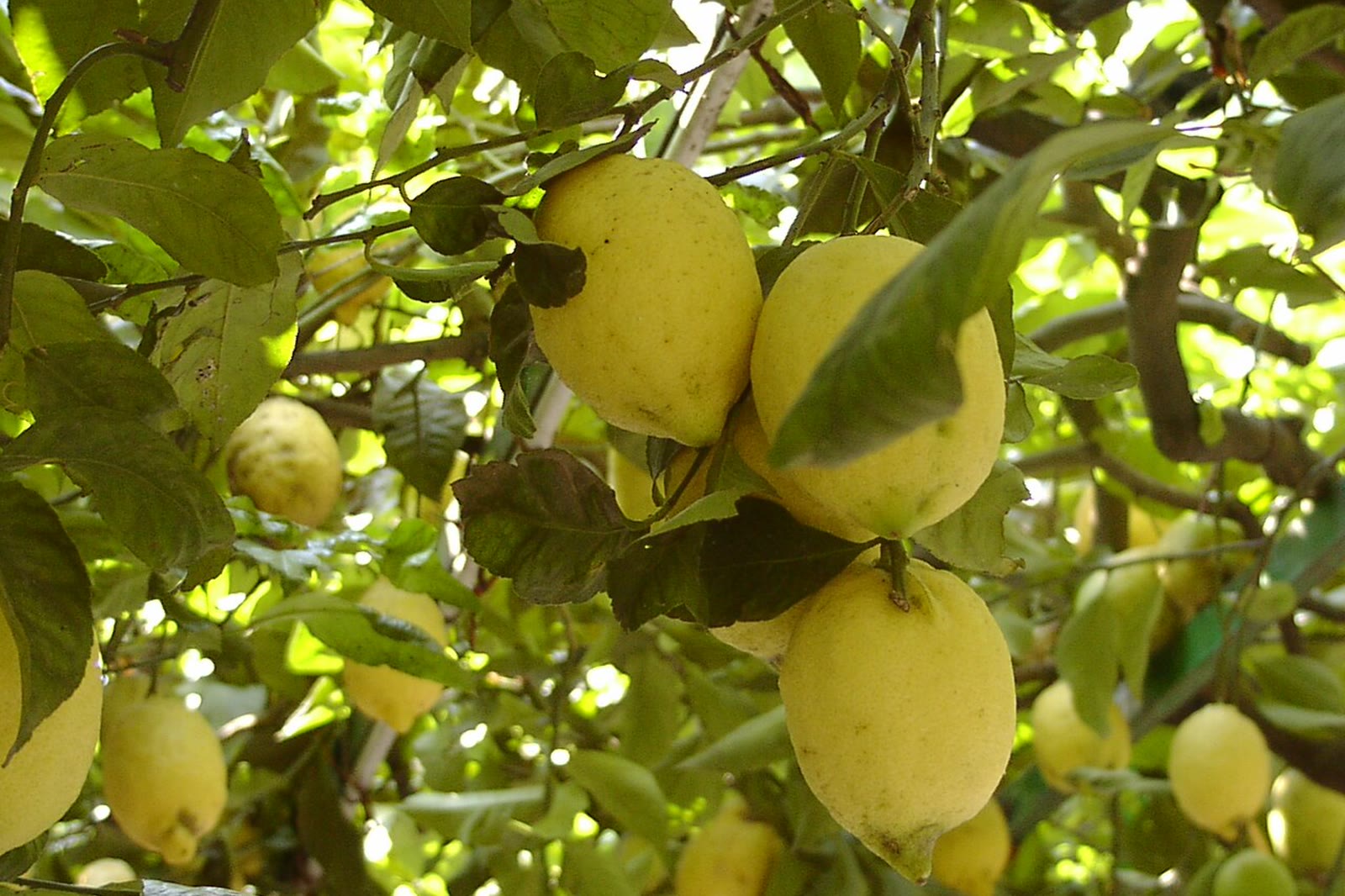
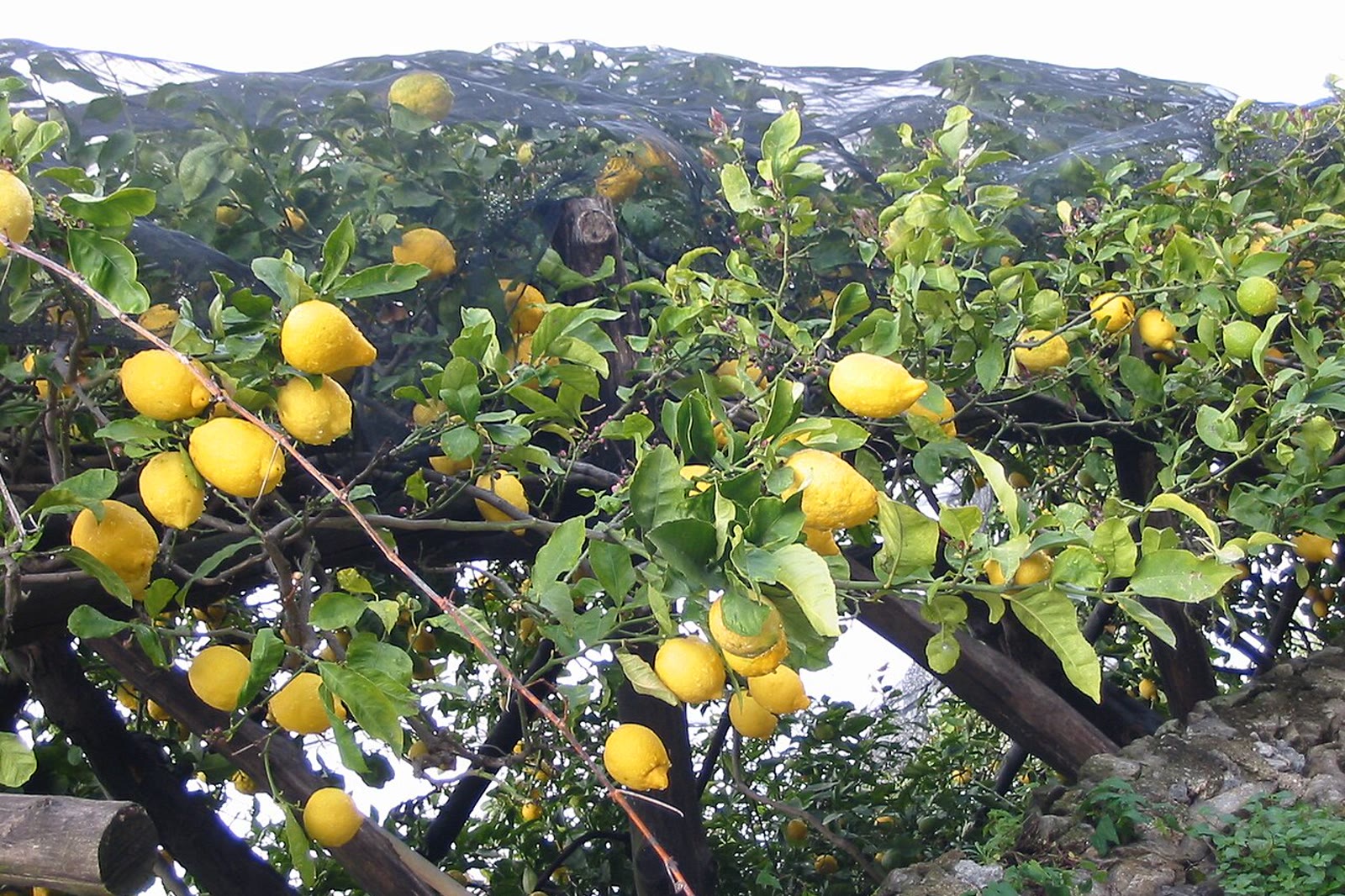
Sfusato means tapered. The Amalfi lemon is elliptical and elongated, with a pointed umbone and a pale, citrine rind of medium thickness. The white pith beneath that rind is spongy; the flesh is straw-yellow, juicy, and characteristically low in seeds. The scent lives in the peel. Crush a leaf or a scrap of zest and the oils are immediate, almost floral, more perfume than sourness.
Size matters in the official sense. Fruit sold as Limone Costa d’Amalfi IGP is expected to weigh at least a hundred grams, with abundant juice and a marked acidity. Smaller fruit still belongs to the landscape; it often goes to processing. What you notice in a kitchen is the yield of aroma per fruit. One sfusato can perfume a bowl of pasta in a way a thin-skinned lemon cannot, because the flavedo is a reservoir, not a wrapping.
Locals still call the groves giardini, gardens. The word is not poetry first. It is husbandry. A lemon garden on this coast is a terraced plot kept with the same pride as a courtyard, because the slope will take the soil back if you stop tending it.
The Protected Name: Limone Costa d’Amalfi IGP
Not every yellow fruit sold near a ferry is the real thing. The protected geographical indication “Limone Costa d’Amalfi” designates lemons of the Sfusato cultivar, grown in a mapped zone of the province of Salerno. Qualigeo’s entry for the PGI is the clearest public summary: the entire territory of Atrani, and parts of Amalfi, Cetara, Conca dei Marini, Furore, Maiori, Minori, Positano, Praiano, Ravello, Scala, Tramonti, and Vietri sul Mare.
The consortium that watches over the name formed in 2002. Its work is unglamorous and useful: origin, method, the difference between a landscape fruit and a generic citrus. The Consorzio di Tutela Limone Costa d’Amalfi IGP exists so that “Amalfi lemon” cannot mean whatever a wholesaler wishes it to mean.
That legal quietness is part of the fruit’s authority. Other sites can link a fact. A novelist can use the right name. A cook can ask, without embarrassment, whether the lemons on the board are sfusato or merely nearby.
Terraces, Macere, and the Chestnut Pergola
Amalfi Coast lemons do not grow on orchards you can drive between. They grow on terraces held by dry-stone walls called macere. The walls keep the soil from sliding into the sea. They also make a microclimate: stone warms, wind is broken, water is persuaded to stay long enough for a root.
Above the trees, or rather around them, stand chestnut poles at least a hundred and eighty centimeters high, a pergola that is both roof and trellis. Nets or other coverings go on when weather or ripening requires it. The traditional training is a free vase, locally a cupola, the branches tied and lifted so that fruit hangs in filtered light rather than in a blast of afternoon.
Harvest is by hand, from the first of February through the end of October, and the fruit is not supposed to touch the ground. Anyone who has stood on those terraces understands why machines are a fantasy. The plots are narrow. The drop is real. A crate is carried. The work is slow enough to look, from a distance, like a painting. Up close it is knees, thorns, and the smell of crushed leaf.
UNESCO’s listing of the Costiera Amalfitana is a listing of this labor as much as of views. The coast is a cultural landscape: nature and long human patience sharing a cliff. Lemon gardens are one of the reasons the cliff still holds.
Why the method tastes like something
Sea air, altitude, and the slow ripening under a pergola change the oils. Studies cited in the PGI literature find that these lemons carry a markedly higher load of aromatic hydrocarbons than ordinary fruit. You do not need a laboratory to notice. The peel is the point. Juice is abundant and properly acid; the surprise is how much sweetness and perfume travel with the sour.
That is why Amalfi Coast lemons are eaten in ways that would seem eccentric with a waxed import: sliced, with a pinch of salt or sugar, sometimes mint, as if the fruit were already a dish. The thick rind is not a waste product. It is the reason limoncello exists in this form, and the reason a simple pasta al limone can taste like a place rather than a trend.
From Peel to Limoncello, Without Turning the Kitchen into a Shop
Limoncello, made honestly, is a reading of the flavedo. The yellow zest — not the bitter white pith — is steeped in alcohol until the oils have moved. Sugar and water follow. The drink should smell like the grove at noon, cold from the freezer, definite rather than syrupy. When the label can claim Limone Costa d’Amalfi, the peel is not a flavoring. It is the ingredient.
The same oils explain the coast’s pastry habit. Delizia al limone, the dome of sponge and cream that appears in every self-respecting case from Minori to Amalfi, is a study in restraint: cake, lemon cream, a glaze that should taste of fruit rather than perfume oil. Pasta al limone, in a home kitchen, is butter or oil, cheese, pasta water, and zest in a quantity that would frighten a cook used to “a squeeze of lemon.” The fruit can stand being the main character.
Fish loves it because the acidity is clean and the aroma is already marine-adjacent: salt air, leaf, peel. A salad of fennel and orange becomes more itself with a little sfusato. None of these are secrets. They are what you do when the tree is twenty steps from the door.
We will not print a method here. Methods are everywhere, and a recipe dump would miss the point. The point is botanical and geographic. If the lemon is ordinary, the drink and the pasta will be ordinary, no matter how carefully you follow a card.
What the Fruit Is Doing in a Love Story
Writers reach for Amalfi Coast lemons because the fruit is already a plot. It takes years of wall-building to exist. It is harvested by hand. It perfumes a room before anyone has spoken. A character who notices the difference between a sfusato and a generic lemon is a character who is paying attention, which is the first virtue of adult romance.
Sofia Moretti would put the fruit on a board without a speech. A trattoria cook knows that zest is timing: too early and it fades, too late and it stays raw. Tom Bennett, used to fruit that travels well and tastes of almost nothing, would meet a lemon that refuses to be background. Their story is not ours to summarize. What belongs here is only that the novel takes the kitchen seriously, because taste is one of the ways two people learn they are still in the world.
We have written about second-chance romance on this coast and about how grief and healing romance finds its footing in Italy. In both climates, the table matters. Amalfi Coast lemons are how the table announces the place without a caption.
Years of living here taught us the difference between a grove and a postcard. If you want that longer personal note, it is on our author page. The fruit came first. The fiction came after, smelling of the same peel.
A Soft Path Toward the Book
If this is the kind of particularity you come to fiction for, you may already know the novel. We will only point.
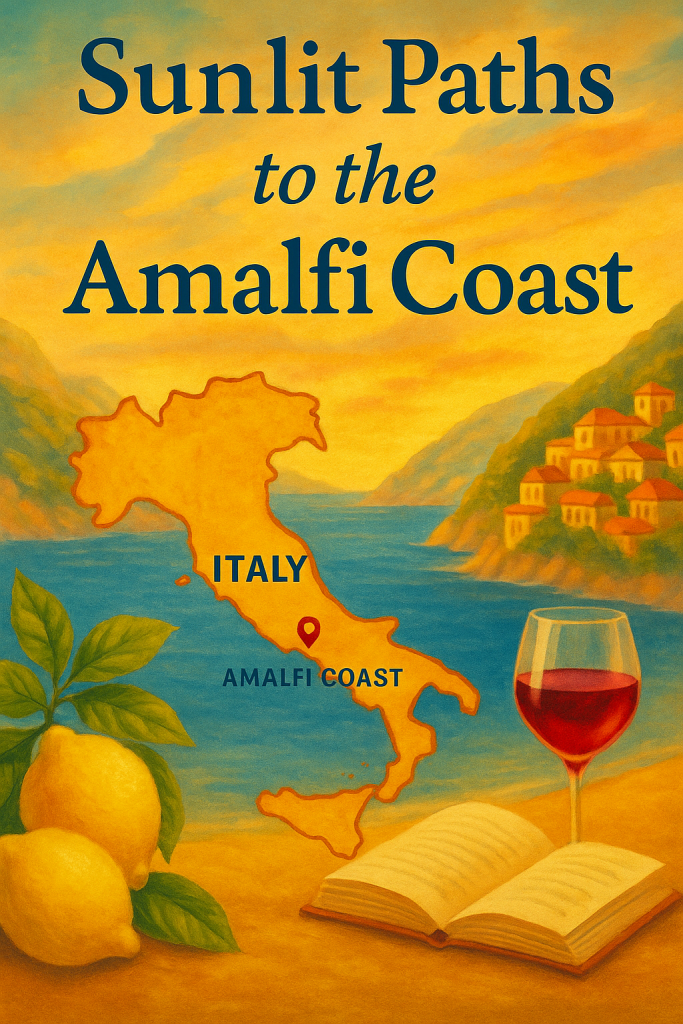
Sunlit Paths to the Amalfi Coast follows Sofia and Tom through southern Italian days in which a lemon is never only a lemon. The book keeps kitchen notes because we lived the meals before we wrote them. The Kindle edition is on Amazon, waiting as quietly as a bowl of fruit on a terrace table.
Carry the Name Correctly
Amalfi Coast lemons are sfusato amalfitano, grown as Limone Costa d’Amalfi when the rules are kept, on terraces held by macere and shaded by chestnut poles. They are hand-picked. Their genius is in the peel. Limoncello, pasta, pastry, and a slice with salt are all readings of that peel.
Call them gardens, because that is the local word. Call them work, because a wall that is not repaired will fail. Call them a reason a love story set here can smell like something true.
The next time a page mentions a long yellow fruit and a terrace above the sea, you will know what you are being asked to notice. That notice is the beginning of appetite, and appetite, here, is a form of attention.