Limoncello is a southern Italian digestivo before it is a souvenir bottle: lemon peel, alcohol, sugar, patience, and Amalfi Coast evenings that keep civic hours instead of curing grief or history with neon yellow spa wallpaper.
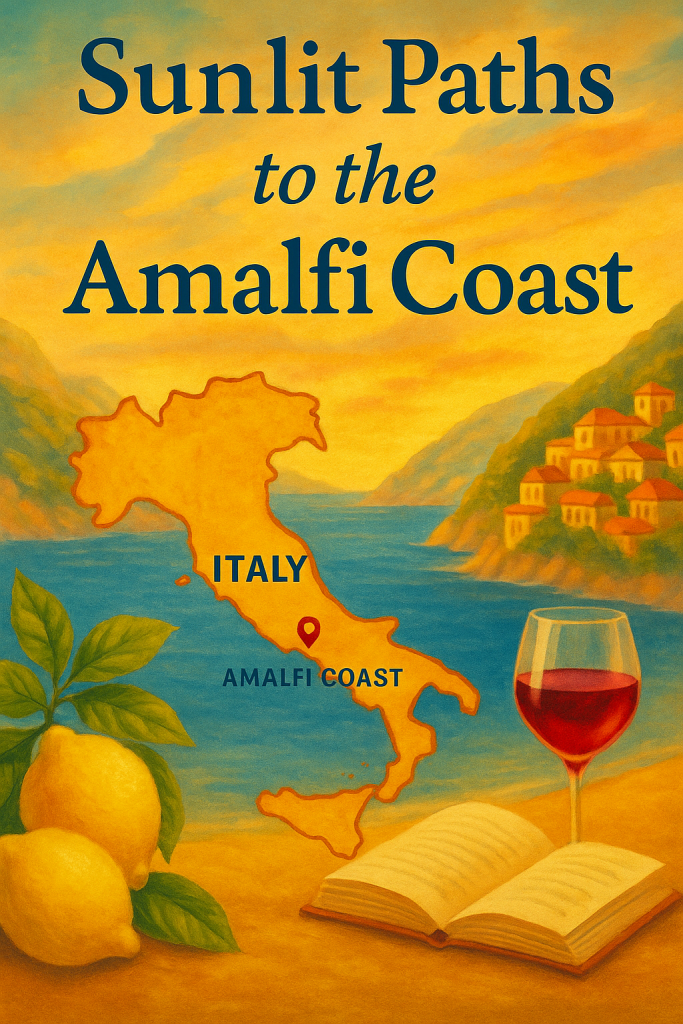
We write as Marina and Miles Ashford. Our novel, Sunlit Paths to the Amalfi Coast: A Love Story Lived, then Written, is adult second-chance / grief-and-healing travel romance. Roughly eighty percent of it grew from years we lived and walked in Italy together. The cover is a painting, not a photograph of us. Sofia Moretti and Tom Bennett are characters; the book is fiction, not a memoir. Marina Miles Books is the imprint. Adult heat exists later in the novel’s arc; daily essays here stay on place, attention, and dignity.
We have already written what lemons symbolize in Italy and Amalfi Coast cuisine as place grammar. Those doors stay. Amalfi lemons as a primary head wait for a later pack. This page owns limoncello itself as a food long-tail into Sofia’s Kitchen and the novel’s coastal evenings.
What Limoncello Still Asks on the Coast
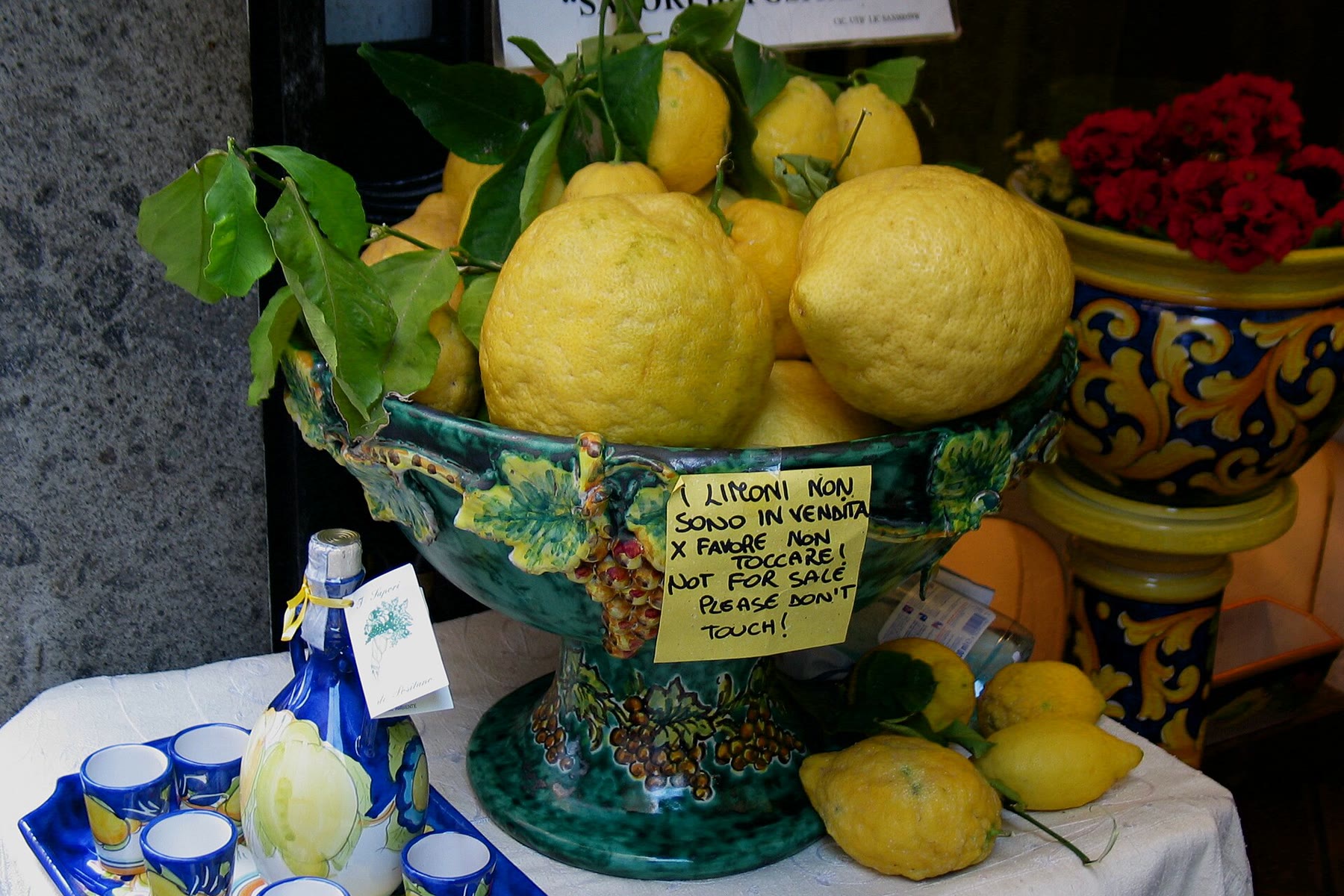
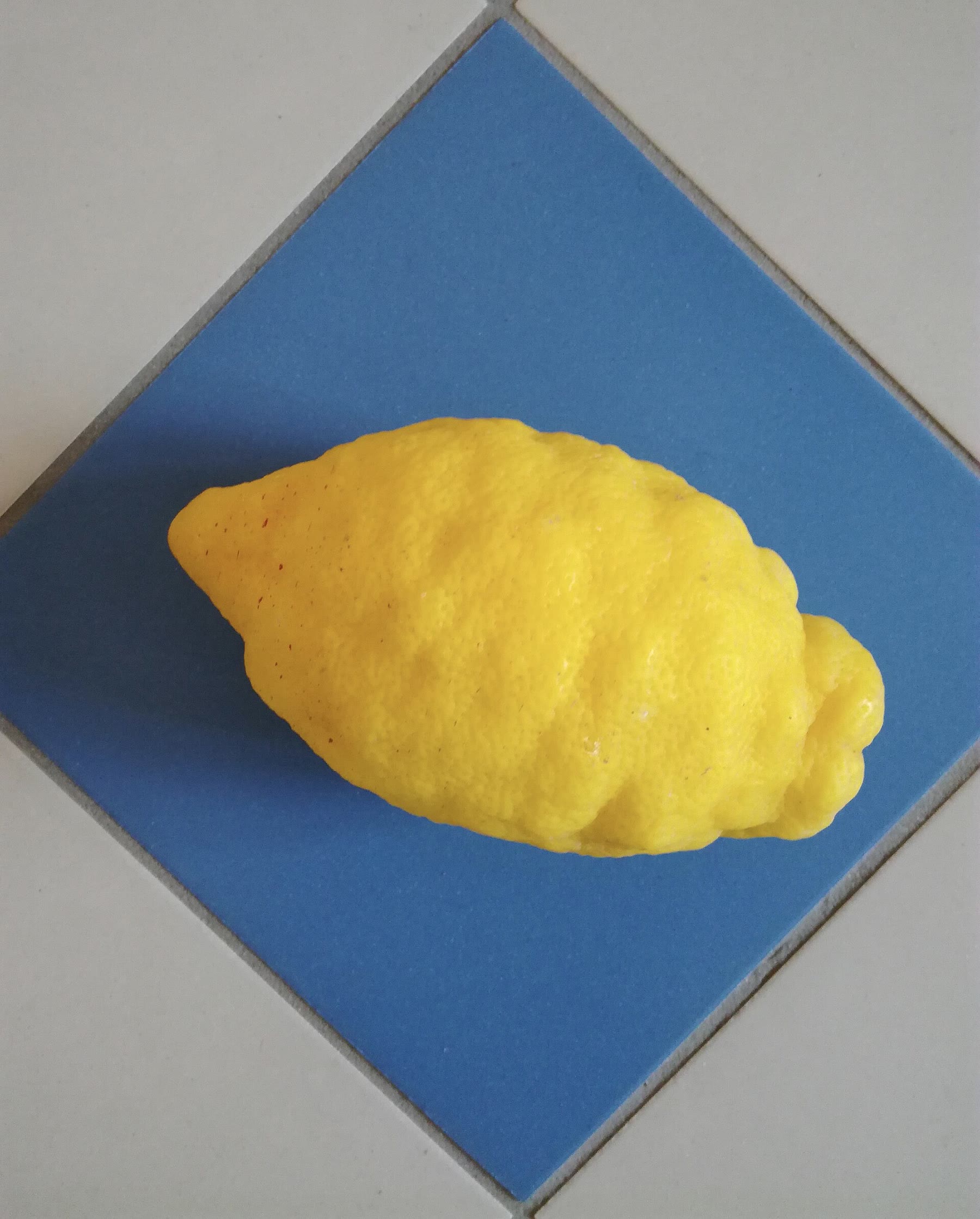
Autocomplete treats limoncello as a neon shot and a gift-shop smile. Lived Costiera grammar is colder. Peel matters more than juice for the classic infusion. Alcohol needs time with zest. Sugar arrives after patience, not instead of it. Soft travel blurbs skip labor because labor does not fit a thumbnail. Civic Amalfi keeps the labor in the room: groves on terraces, families who still climb, bottles that wait in a freezer for an hour that has already done its work.
Limoncello is a digestivo culture more than a cocktail contest. It often arrives after dinner, cold, in a small glass, when conversation has already paid its civic dues. Soft destination fluff wants endless terrace toasts that erase history because the bottle glowed. Honest limoncello evenings keep neighbors, scooters, heat, and the fact that someone had to make or buy the bottle before charm arrived.
Readers who type limoncello may want a homemade method, a Sorrento or Amalfi tasting note, or a romance-kitchen door into southern Italy. We do not publish full recipes on this essay. Full kitchen methods that belong to the novel live in the book and are named on Sofia’s Kitchen. This page is place grammar and reader intent: why limoncello belongs to coastal hours, and how it sits beside second-chance attention without becoming spa medicine.
Digestivo Hours, Not Spa Cure
Soft blurbs love to cure grief with limoncello. One sip, golden light, winter gone. Lived adult attention refuses that lie. A cold glass can mark an evening. It cannot erase a first love, a loss, or a forced choice on stairs. Italian romance that keeps dignity lets limoncello be hospitality and timing, not pharmacy. The coast still works while two people decide whether appetite can return at ordinary speed.
In our novel’s world, Amalfi Coast evenings hold lemon brightness beside Falanghina country and dishes like delizia al limone. Sofia’s Kitchen names those doors without turning this blog into a free recipe scrape. Limoncello as a search phrase sits next to those kitchens: peel, patience, cold glass, after-dinner talk that still has to share a working town. Soft feast language wants private villas and empty streets. Civic limoncello shares the table with cousins who laugh too loud.
Foodie romance novels and Amalfi Coast cuisine overlap this hunger when the table still has a job. Limoncello is a sharper long-tail. It names a bottle that can interrupt a confession because someone went to fetch glasses, or because the freezer door does not care about your breakthrough. Soft blurbs hide that interruption. Civic Italy keeps it.
How to Taste the Phrase Without a Gift-Shop Clone
Open a free sample that sells Amalfi evenings as romance climate. Ignore the cover toast for thirty seconds. Watch the first inconvenience around the bottle or the table.
Does someone’s body tire from heat or stairs before the digestivo arrives, or does every evening dissolve into charm? Does a closed shop, a neighbor’s knock, or a ferry schedule interrupt the romance, or does the plot float above logistics? Is limoncello hospitality with timing, or neon wallpaper that cures history? Are two adults negotiating attention with grief still in the room, or is one person a tour for the other’s soft reset?
Those questions are the quiet test for limoncello as a long-tail into romance kitchens. Midlife second chance needs forced choices more than glowing bottles. Grief-and-healing romance needs a coast that will not rearrange itself. Travel romance books set against Amalfi tables need public life that keeps working while sorrow or desire shares the room. If Praiano or Amalfi town could be swapped for a generic Mediterranean resort bar without rewriting a scene, the geography failed even if the blurb shouted limoncello.
Also watch soft lies that pile into autocomplete: endless empty terraces, grief cured by one chilled glass, towns with no diesel below, couples who never share a path with a stranger, gift-shop bottles that never required peel or patience. Italy can hold private weather. It does not owe anyone a private country. Readers hunting limoncello with dignity are often asking, without those exact words, for a story that respects what the evening still asks.
A practical neighbor for travelers who want Naples and Amalfi Coast orientation without pretending this essay is a guidebook clone is DK Eyewitness Naples and the Amalfi Coast (ASIN 0241664845): maps and town grammar, not a ranked romance shelf. As an Amazon Associate, Marina Miles Books earns from qualifying purchases. That link is a travel door, not a #1 badge. For named dishes and wine doors tied to the novel, return to Sofia’s Kitchen.
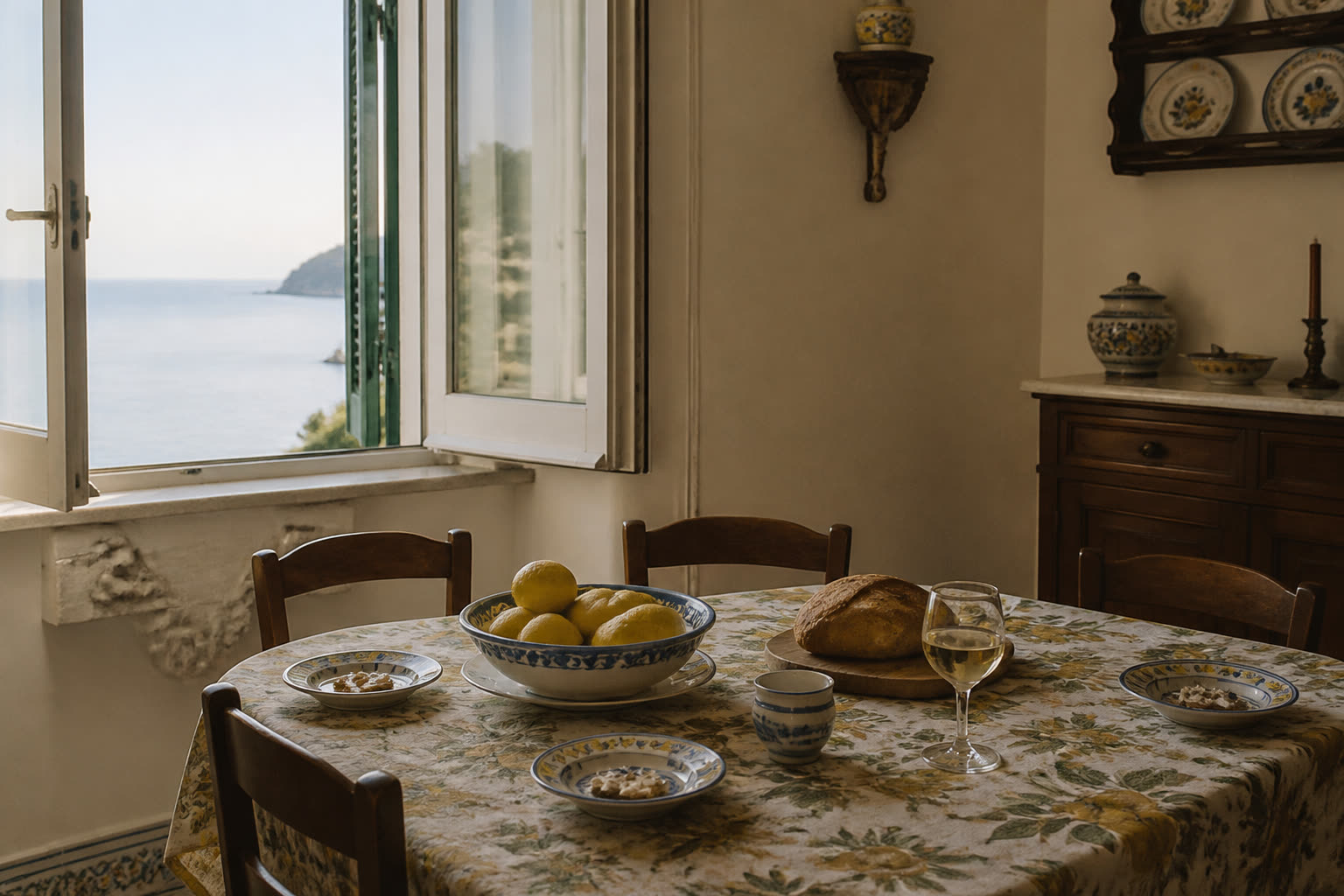
Lived detail stays ordinary on purpose. A freezer door that sticks. A small glass that frosts before the pour. Peel that oils your fingers for an hour. Sugar syrup that waits its turn. A terrace argument that has to move indoors when the stone becomes too hot to lean on. A digestivo offered after the dishes, not instead of them. These are not exotic props. They are the grammar that keeps limoncello from floating into spa fantasy. Soft blurbs cut them. Samples with civic teeth keep them.
Also notice what this long-tail does not require. It does not require a trauma dump on page one. It does not require the coast to become a private chapel. It does not require publishing every peel ratio on a blog so search engines can scrape a fake liqueur manual. Adult second chance after loss can be quiet, stubborn, and still thirsty later without turning grief or place into marketing chili peppers. Daily essays here stay on place and dignity; the novel carries heat and kitchen methods in their proper rooms. Amalfi lemons as their own primary head wait for another day.
Related searches overlap this hunger: Amalfi Coast cuisine, foodie romance novels, Italian digestivo, Sorrento limoncello, delizia al limone, Italian love stories. They are not identical doors. Limoncello stays the bottle-first long-tail into Sofia’s Kitchen and coastal evenings. Soft blurbs hide that distinction because “neon souvenir” sells faster than “the peel needed time.”
Limoncello also inherits a quiet ethics problem soft travel blurbs skip: whose hands peeled the fruit. A gift-shop bottle with no grove behind it is still a bottle; a story that pretends the coast exists only for private neon is dishonest. Adult Italian love stories that keep dignity usually let hospitality belong to people with opinions, and let those opinions interrupt the couple. Amalfi Coast evenings in particular still have heat, diesel, and cousins that refuse to rearrange for private breakthroughs.
That is why this essay is not a rewrite of our lemons symbolism post, and not today’s Amalfi lemons primary. Those doors stay or wait. The long-tail limoncello asks whether romance evenings still make the digestivo cost something after the blurb’s neon language fades. If the only hunger on the page is spa erase, the bottle failed even if every glass glowed.
Cold glass, peel oil, freezer patience: these are ordinary facts. Soft blurbs collapse them into “Italian toast.” Readers who type limoncello are often hunting Costiera hospitality grammar, not a souvenir contest. Keep that distinction honest when you open a sample or a travel guide neighbor.
Where Our Book and Sofia’s Kitchen Sit Softly
We point once, then step aside. Sunlit Paths to the Amalfi Coast keeps southern kitchens and ordinary hours in the shot while Sofia and Tom learn each other again. It is not a free liqueur manual. It is one novel that refuses prosecco-only Italy, with Sofia’s Kitchen naming lemon-bright Amalfi doors beside Sicily staples. If you prefer to begin with the story itself, the Kindle edition waits on Amazon. The hub at Sofia’s Kitchen holds recipe names, regions, and story beats. For imprint voice, visit the Marina Miles author page. For trip planning off the Amazon lane, return to Walk the Sunlit Paths.
Keep the bottle honest. Skip the spa cure. Read for peel labor, cold glass, and evenings that still share a working coast. That is what readers mean, often, when they type limoncello and hope the digestivo still knows what hospitality asks.