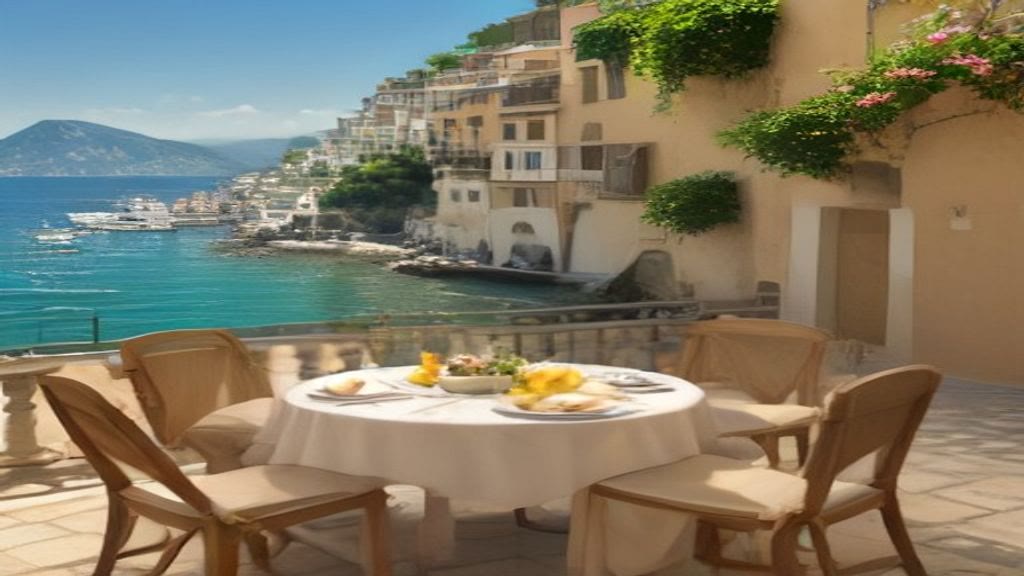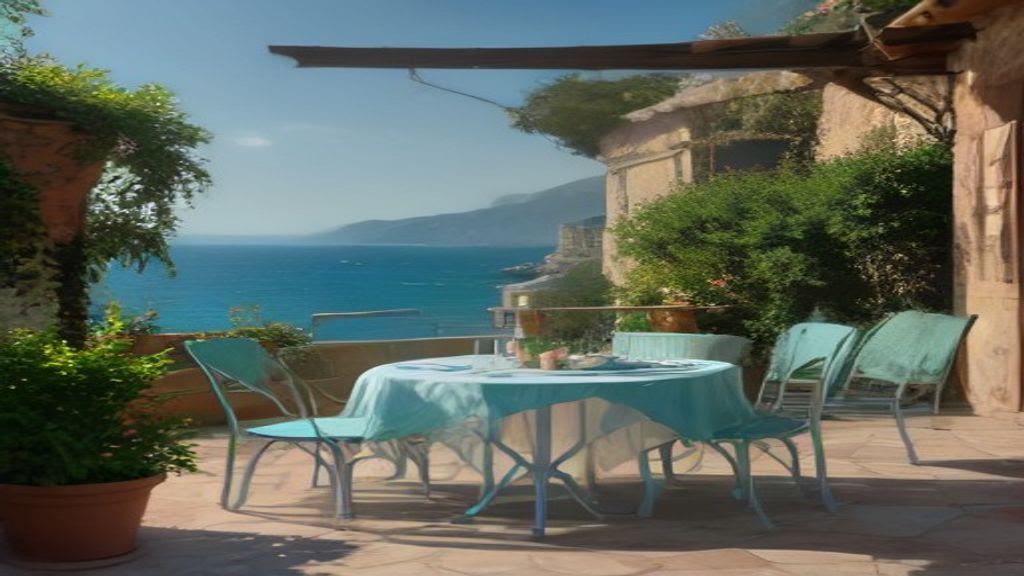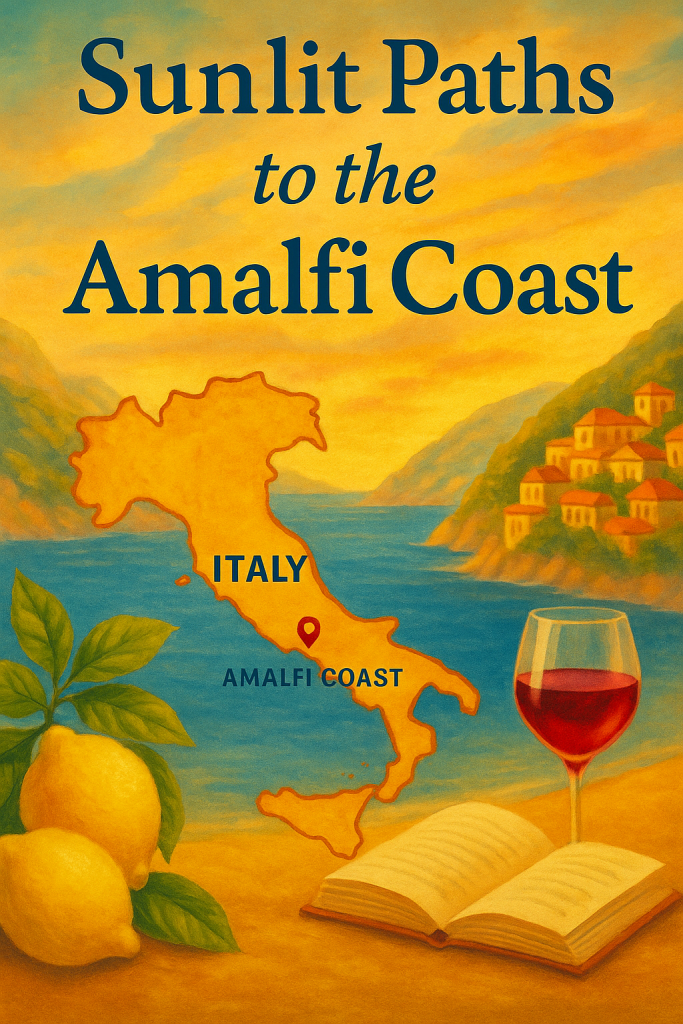
Readers hunting Italian romance novels are rarely looking for a podium. They are looking for a filter. The search box suggests ranked lists, “famous books,” and scraped dumps that treat Italy like a stock photo folder. This guide refuses that. It teaches how to tell place-true Italian romance from postcard Italy—climate, food grammar, tempo, steam versus attention, north versus south—so you can choose without a fake award ceremony.
We write as Marina and Miles Ashford. Our novel, Sunlit Paths to the Amalfi Coast, is emotional second-chance / grief-and-healing travel romance, not steam. Roughly eighty percent of it grew from years we lived and walked in Italy together. The cover is a painting. The author photo in the back is us when we were younger, in those places. We keep the pen names. We keep the lived detail. We will not turn a choosing guide into a memoir, and we will not invent reviews to sell you a climate.
If you came from craft essays about what setting must do on the page, this is the reader’s side of that conversation. Different job. Same refusal to lie.
What “Italian Romance Novels” Usually Means in a Search Box
English-language readers type Italian romance novels when they want Italy to do narrative work: light, food, language pressure, a geography that will not flatten into a spa weekend. The autocomplete often pushes “best Italian romance novels,” which sounds helpful and usually isn’t. Best for whom? A ranked list collapses climate into brand names. A scraped “famous books” dump collapses place into titles someone else already ranked for SEO.
A better question: what Italy do you want in the room with the lovers? Civic Rome. Inland hills. A southern coast that climbs. A kitchen that argues about pasta. A bar where coffee is taken standing. Those are filters. They sort Italian romance books more honestly than a numbered list ever will.
We have written elsewhere about what romantic novels set in Italy actually need from place. That was craft. This is the reader’s sieve: how to choose among Italian romance novels without outsourcing taste to a leaderboard.
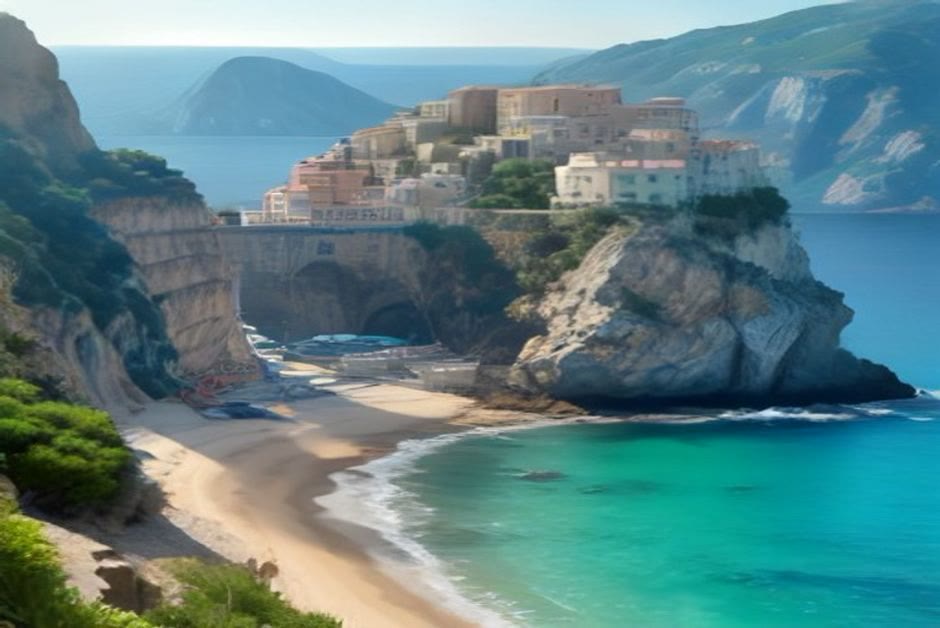
Climate Is Character, Not Wallpaper
Postcard Italy sells eternal golden hour. Place-true Italian romance novels notice heat that thickens, a wind that arrives off the water, a winter damp that stays in stone. Climate decides whether two people can linger on a terrace or must retreat indoors. It decides whether a walk is intimacy or endurance. If the weather never inconveniences anyone, the book is using Italy as a mood board.
Southern light is not northern light. A Milanese gray afternoon and a Costiera noon are different instruments. When a novel pretends they are interchangeable “Italy,” you are reading costume, not climate. Ask the page: does the heat change the conversation? Does rain change the plan? Does the season have a smell?
Food grammar beats “Italian feast”
Italian romance novels fail when dinner is a generic feast with red sauce and a candle. Food in Italy is regional grammar. Roman pastas argue about guanciale and pecorino. Coastal kitchens argue about fish that still smells like harbor. Amalfi lemons are labor and PGI protection, not a prop bowl. If the meal could be moved to any “Mediterranean” set by swapping the wine label, the book has not eaten locally.
Readers who love Italian romance books often discover they were hungry for that grammar—the specificity that says someone has stood at a counter, ordered, waited, tasted. Soft focus is a different genre.
Tempo: The Ordinary Hour Is the Nervous System
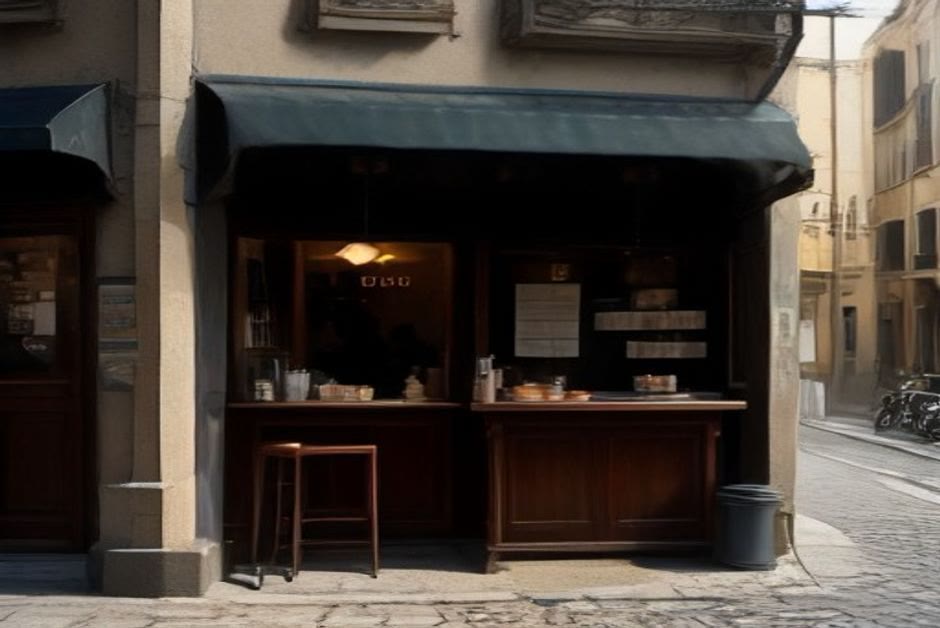
The best Italian romance novels treat ordinary hours as plot: coffee standing at the bar, a shuttered street at midday, the late return when light turns copper. Those hours are not filler between kisses. Attention is the engine. Steam is optional furniture.
Tempo also sorts north from south in reader intent. A northern city romance may run on trains, offices, and civic density. A southern coastal romance often runs on stairs, boat waits, and kitchens that open when the heat allows. Neither is superior. They are different clocks. If you want stillness and sea proportion, a Milanese pace may starve you. If you want civic pressure and public feeling, a quiet Positano terrace may feel like avoidance.
Steam Versus Attention
Our lane is clear. We write emotional contemporary romance where grief loosens through days, not through staged heat. That does not make steam immoral. It makes the filter honest: if you need high heat as the primary plot fuel, say so. If you need attention—two people learning each other in inconvenience, food, and shared weather—say that too. Many searches for best Italian romance novels are really searches for attention stories dressed in Italian light. Ranking them against steam-forward titles helps no one.
Ask: does the intimacy come from being seen in a real place, or from the place disappearing so bodies can take the frame? Italian love stories that keep place in the shot tend to keep dignity in the room.
North Versus South: Two Italies, One Reader Intent
North–south is not a morality play. It is geography with narrative consequences. Northern Italian romance novels often borrow industrial edges, fashion density, alpine weather, or lake stillness. Southern books—especially Amalfi Coast romance and wider southern Italy romance—borrow cliffs, ferries, lemon terraces, and towns that stack like stairs. Rome sits as a civic hinge: public rooms, monuments that refuse to empty, food with Roman arguments. We have written about romance books set in Rome as a capital that holds feeling in public. That is a different tool than a coastal staircase.
When a listicle mixes Venice carnival, Tuscan villa, and Positano sunset as one “Italy vibe,” it is selling a scrapbook. Choose by the Italy that can hold your private weather without lying about the map.
A Reader’s Filter (No Rankings)
No awards. No scraped fame. What to ask of Italian romance novels before you commit an evening:
- Place that could not be swapped. If you can move the plot to Spain by changing street names, it was never Italian.
- Climate that costs something. Heat, damp, wind, or winter stone should change behavior.
- Food with a local argument. Regional dishes, not “Italian night.”
- Tempo you can feel. Ordinary hours matter more than montage.
- Steam level named honestly. Attention stories and heat stories both deserve clear labeling.
- North/south/coast/city chosen on purpose. Not a random postcard rotation.
- Hope without amnesia. Especially in second-chance and grief-and-healing romance: Italy is old; so are the lives that meet there.
Those tests also protect you from postcard Italy: the empty terrace that never hosts a delivery scooter, the lemon that never required a ladder, the town that never closes for the afternoon.
Where Our Book Sits in This Filter
We point once, then step aside. Sunlit Paths to the Amalfi Coast follows Sofia Moretti and Tom Bennett as grief loosens through southern Italian days. It is not a ranked-list entry. It is one answer to readers who want Amalfi Coast climate, kitchen hours, and second-chance attention rather than steam as engine. If you prefer to begin with the story itself, the Kindle edition waits on Amazon.
For how those years became a book without turning fiction into memoir, visit our author page. The meals were not research props. They were a life we still refuse to sell as a scrapbook.
Why Refusing Ranked Lists Helps Readers
Ranked lists flatten taste into competition. Italian romance novels deserve climate literacy instead. A reader who learns to hear food grammar and tempo can find the next book without waiting for someone else’s top ten. That literacy also makes you kinder to books that are honest but quieter—the ones that will never win a scraped “best of” carousel because they refuse empty streets and eternal dusk.
We have written about why readers love Italian romance novels set on a particular coast. Love is not a ranking. It is recognition: this page smells like stone and espresso; that page smells like a catalog.
Postcard Italy will keep offering itself. Place-true Italian romance books will keep asking you to notice inconvenience, regional food, and the ordinary hour. Choose with that sieve. Skip the podium. Keep the light that actually costs something.
Closing the Search Without a Leaderboard
If your tab is still open to “best Italian romance novels,” close the ranking and open a sample page. Listen for climate. Taste the meal. Watch whether two people share a working town or a rented backdrop. That is how you choose Italian romance novels without a ranked list—and how Italian romance books earn trust instead of borrowed glamour.
Italy is large enough for many love stories. It is too specific to be sold as one postcard. Readers who hunt Italian romance novels already know that in their bodies. This guide only names the filter you were already reaching for.