When a reader types romance novels set in Italy into a search bar, they are not shopping for a list of villas. They are buying a climate. They want a place that will do something to two people, not a backdrop that waits politely while the plot happens indoors.
A postcard is a view. A setting is a set of hours: heat that forces a pause, a ferry that will not run because the sea has an opinion, a working town that still sells hardware next to linen. That is what romantic novels set in Italy need if they mean to be believed.
We lived those hours for years, not as research, but as a life. The novel came later. This essay is about the query itself, and about the Italy that can actually carry a love story.
What a Reader Is Buying When They Search This Query
The phrase looks like geography. It is really a request for proportion. The reader has already met enough apartments and offices. They want a landscape large enough that private weather is not the only weather in the frame.
They are not, usually, asking for a tour. They are asking whether Italy still knows how to hold a conversation. Whether two people can sit down without performing happiness. Whether caution, or grief, or a late tenderness can take place in frank light instead of in a montage.
The best books that answer this search treat the country as a character with habits. The espresso is standing. The afternoon is not optional. The stairs are not scenery; they are how you get the groceries home. A reader who has actually been south of Rome will notice, in the first chapter, whether the writer has stood in that heat.
That is why Italian romance novels keep drawing the same readers back. The hunger is not for more plot twists. It is for a place that refuses to hurry feeling, and that still has a Tuesday.
Romance novels set in Italy succeed when the country is inconvenient in the right ways. You cannot cross a piazza in August as if it were a corridor. You cannot pretend the road to the famous beach is a commute. Those frictions are not obstacles to the love story. They are the love story’s weather.
Setting as Plot, Not Postcard
A postcard is the stacked houses from the water, and two figures added later. Setting as plot is the hour the hydrofoil is late, and the two people who were going to postpone a conversation no longer can. Setting as plot is the pause after lunch that is not laziness but survival. Setting as plot is a lemon grove that is work, a terrace held by dry stone, a town that has a paper shop because people still live there in January.
Romance novels set in Italy fail when the landscape is wallpaper. A villa with a view is not a plot. A missed train is. A wrong square in a working town is. The day-trip crowd at noon, the street that empties at three, the passeggiata that begins because evening is what you do with an evening: those are events. They change what a character can say.
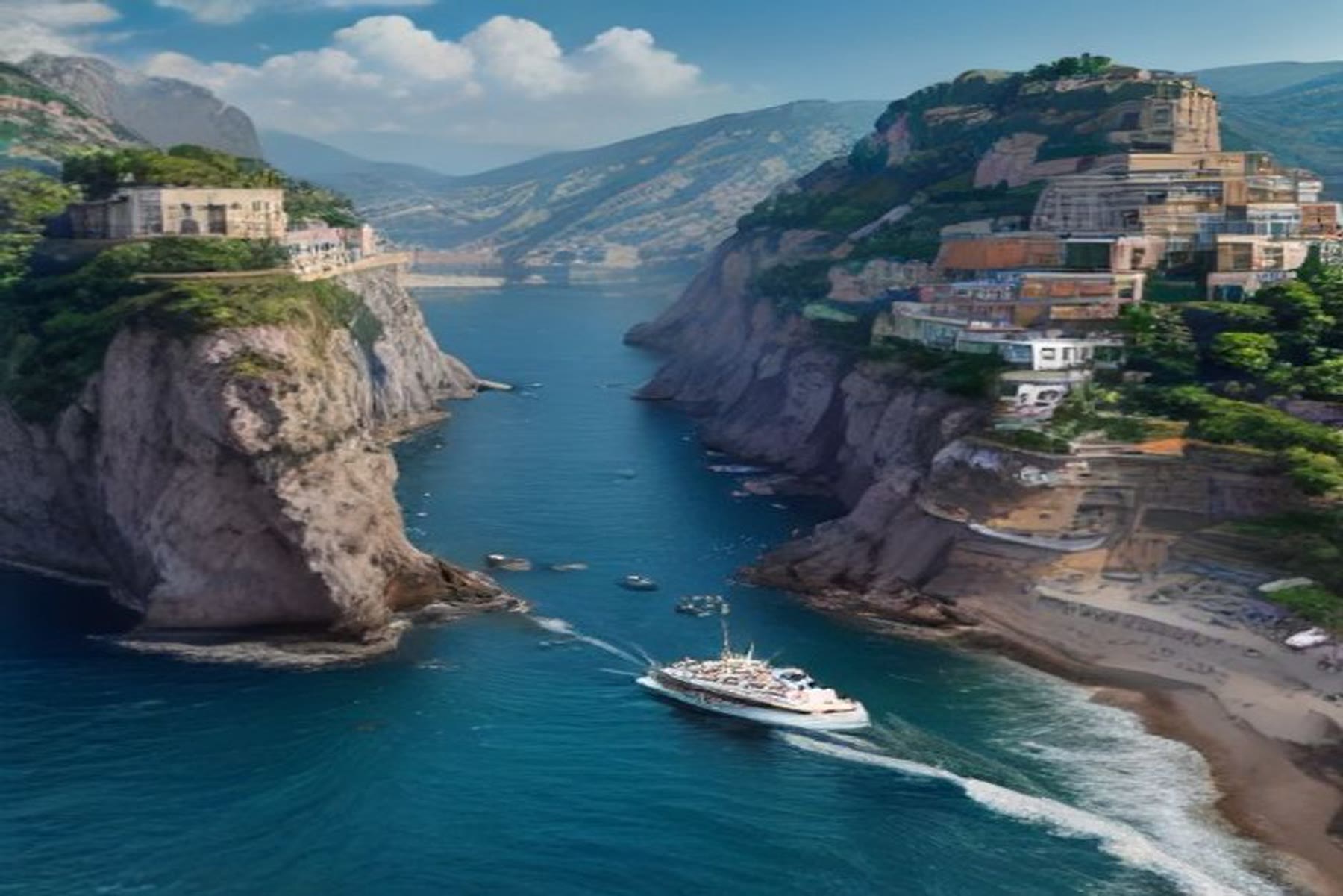
The Costiera Amalfitana is a cultural landscape, not a stage. UNESCO lists it that way because nature and long human patience share the same cliff. Terraces, mule tracks, harbors that still smell of diesel and fish. If your characters never wait, never climb, never sit because the stone is hot, they have not been to this country. They have been to a brochure.
Plot, in this climate, is often a sequence of ordinary refusals. The shop is closed. The bus is full. The light is too hard to keep walking. Two people who needed a reason to linger have been given one by the place. Writers who sand those refusals off in the name of romance have misunderstood the assignment.
Working Towns, Heat, and the Ferry You Cannot Skip
Lived Italy is not the infinity pool. It is a corso at eight in the morning, shutters still closed, the bar already loud with people who are not on holiday. It is a harbor before the boats, when the newspaper is for sale and the gelato is not. It is the inland villages that still think in vineyards, and the smaller coastal towns that keep a more private relationship with the water than their famous neighbors.
Heat is not atmosphere. Heat is a device the south does not apologize for. In July the stone holds the morning until it becomes a kind of argument. You stop. You drink. You wait for four o’clock. Two people who needed permission to sit have been given it by the weather. Romantic novels set in Italy that skip the heat skip the honesty.
Ferries stitch this coast more kindly than the road, and they also refuse you. Wind, a queue with no interest in your dinner hour, a boat that simply does not leave. That refusal is useful. A love story does not need a sunset speech. It needs an hour in which leaving is not available.
The working town matters because it will not flatter you. A hardware shop, a vegetable stall, a grandmother who is not a metaphor. Romance novels set in Italy that only ever visit the famous beach have not met the country that actually raised the food they describe. They have met the photograph of it.
Grief in Good Light
Mediterranean light is not gentle in the sentimental sense. It is clear. On limestone and pale stucco it leaves little shadow in which to hide. Live inside it, and a person who has been talking only to memory is suddenly talking, a little, to the day.
This is why sorrow belongs in these books, if it belongs anywhere. Not as a makeover. Not as a speech on a terrace. As the slow return of appetite in a climate that already believes in ordinary hours. You open the shutter because the room has grown warm. The sea is already working. You can miss someone and still want bread.
We wrote separately about second-chance romance on this same coast. The two hungers are cousins. A second chance is the moment hope is permitted. Romance novels set in Italy that erase difficulty in the first act have not used the light. The light is frank. It makes room without erasing anything. That is a very particular gift, and it is what a reader is often buying without having the words for it.
Grief in good light is not a mood board. It is a morning in which you still have to buy milk, and the street is already bright, and the person walking beside you has not asked you to be new. Italy, used honestly, is unusually good at that accompaniment. It will not hurry you. It will not dim itself to match your weather. Continuance, here, is not a betrayal of the past. It is the coast doing what it has always done.
The Kitchen Hours That Make Italy Believable
Food is where the postcard becomes a life. Not the theatrical platter. The quiet plate. Scialatielli with seafood because that is what the harbor does. Pasta al limone because the fruit is twenty steps from the door, long and oil-rich, husbandry before it is perfume. A Costa d’Amalfi white that tastes of mineral and leaf. Limoncello after, cold and definite, if the peel was honest.
None of this is metaphor first. It is lunch. Then it becomes the moment a cautious person realizes they are still capable of pleasure. That realization is more intimate than a kiss, and more frightening. Romance novels set in Italy that treat the table as decoration have missed the most reliable scene in the country.
A trattoria is a school of attention. Hands that have fed a room all evening know the difference between hunger and loneliness. Sofia Moretti would understand this without a theory. Tom Bennett arrives with the competence of a man who has organized feeling into calendars. Italy is inconvenient for that habit. You cannot schedule the moment a plate of clams makes you want to stay in the world. You can only notice it, and then decide whether to say so.
Tempo is the secret architecture. Breakfast can be a cornetto and an espresso taken standing up, finished in three minutes and still unhurried. Dinner begins when the light has already changed its mind. A person used to evenings as leftover time meets a different ethic. Feeling does not keep office hours. Italy, at its best, does not either.
What the Books Get Wrong When They Stay on the Balcony
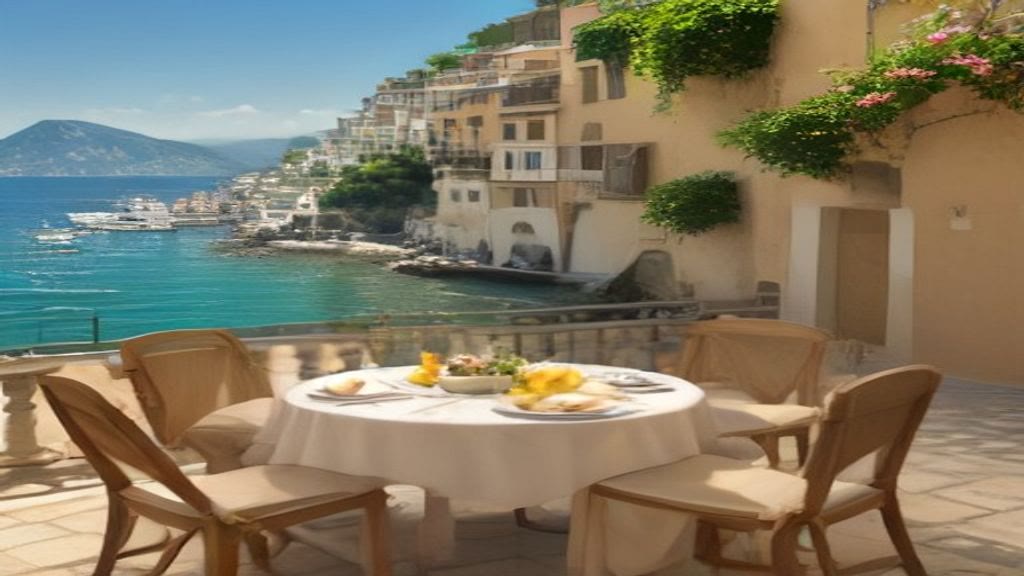
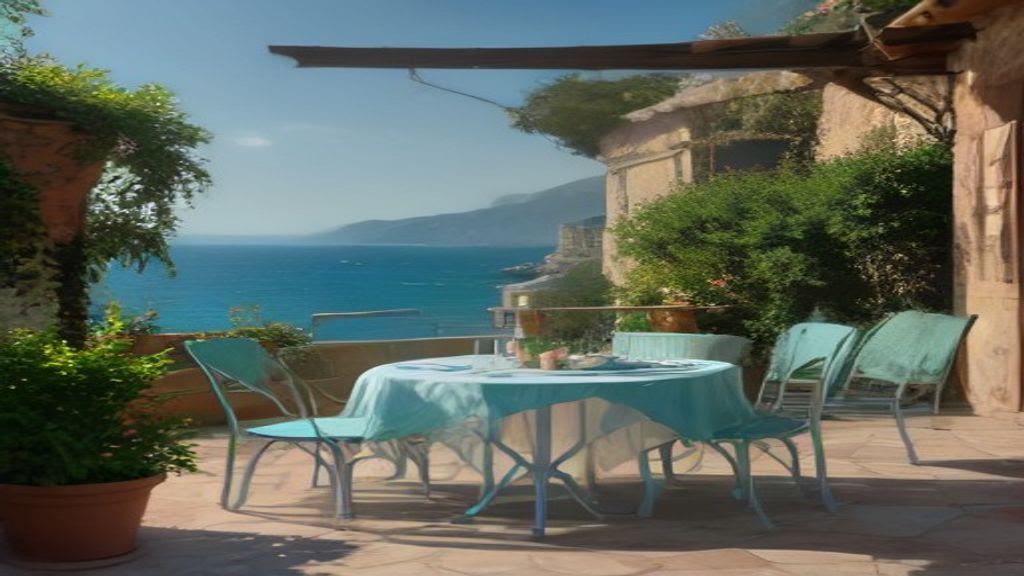
The balcony is a fine place to begin. It is a poor place to live. Italian romance novels that never leave the view have mistaken scenery for story. The reader who searches for romance novels set in Italy has, often, already seen the view. They want the street behind it.
They want the heat. They want the ferry. They want the grocery bag that must be carried up. They want two people who are tired, and still kind, and not performing Italy for each other. They want a town that exists in November.
They also want accuracy without a guidebook voice. Capri is not a twenty-minute errand. The road along the famous coast is beautiful and it is also a parking lot in August. Hill towns are cooler because they are up. These are not complaints. They are the grain of a place. Romance that sands them off becomes interchangeable with any warm coast, and the query might as well have been typed for somewhere else.
Specificity is a form of respect. Name the fruit. Name the boat. Name the hour the square empties. The reader who has been there will relax. The reader who has not been there will trust you enough to go, on the page first, and perhaps later with a suitcase.
A Soft Path Toward the Book We Wrote
If this is the climate you come to fiction for, you may already know the book. We will only point, then step aside.
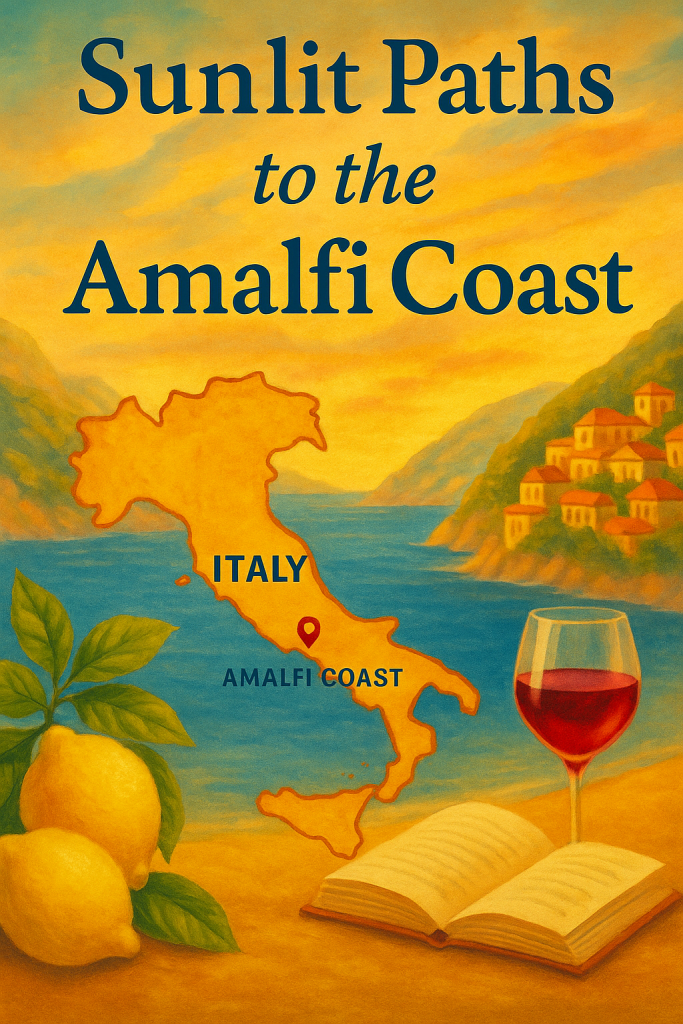
Sunlit Paths to the Amalfi Coast follows Sofia and Tom as grief loosens its grip, not all at once, and not only on the famous water. Their path includes working towns, kitchen hours, and the southern habit of taking friendship seriously. We lived those days. The novel came after. If you want the longer story of how travel became fiction, it is on the Marina Miles author page.
The Kindle edition is waiting quietly on Amazon. Open it when you want the coast rather than a summary. We will not retell their plot here. A setting this particular should be encountered, not previewed.
The Test Is Whether the Place Has a Tuesday
If you have ever searched romance novels set in Italy and closed the sample because the light felt painted on, you already know the test. The test is whether the place has a Tuesday. Whether someone still has to buy milk. Whether two people can be silent without the silence becoming a performance.
Italy, used honestly, gives that Tuesday a climate: stone, heat, late light, and a table that does not demand a speech. Working towns. Ferries that refuse you. Grief in good light. That is what the query is for. That is what romantic novels set in Italy, the ones worth keeping, actually need.
We hope you find your way to a street that is not famous, on the page or in person, and sit down long enough to notice that the day is still going on without asking you to explain yourself. That noticing is the beginning of every honest book we love in this genre. It is also, if we are lucky, the beginning of a walk.