The query books set in the Amalfi Coast looks like a request for recommendations. It usually is not. It is a hunt for what the Costiera actually gives fiction—stairs, ferries, lemon labor, heat, civic towns versus postcard Positano—and how that differs from inland Tuscany or Rome. Readers typing the phrase are asking for place literacy, not another scraped list of titles with a cliff in the thumbnail.
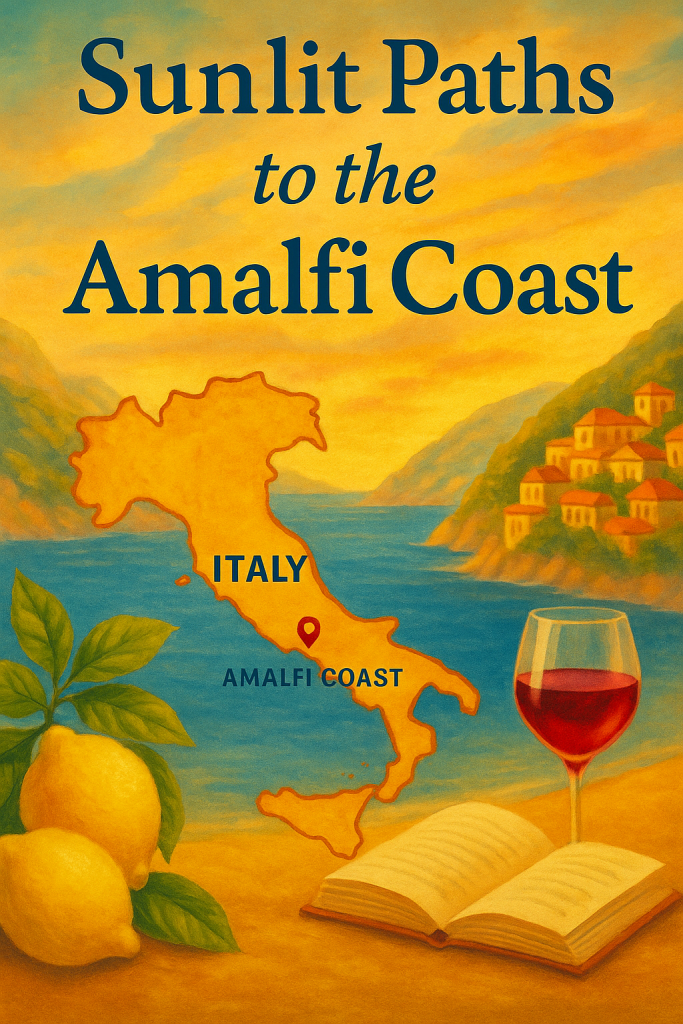
We write as Marina and Miles Ashford. Our novel, Sunlit Paths to the Amalfi Coast, lives on that coastline as emotional second-chance / grief-and-healing travel romance, not steam. Roughly eighty percent of it grew from years we lived and walked in Italy together. The cover is a painting. The author photo in the back is us when we were younger, in those places. We keep the pen names. We will not call the cover “us,” and we will not treat the novel as memoir while we still insist on place facts other sites can cite.
This essay is distinct from older Amalfi romance love-letters and from summer-travel posts. Here the GSC-shaped question leads: what are readers really asking when they search books set in the Amalfi Coast?
What the Costiera Gives Fiction
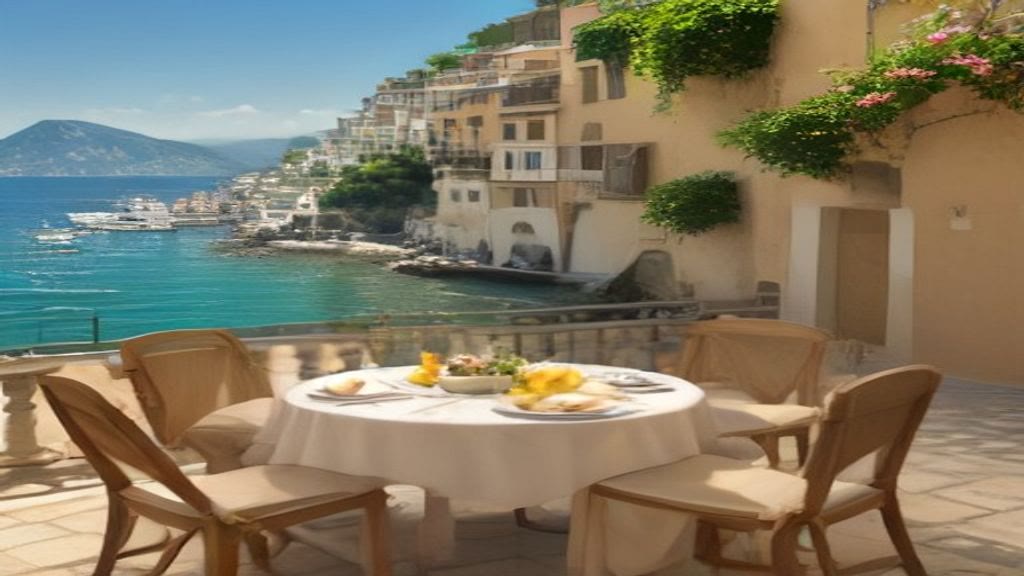
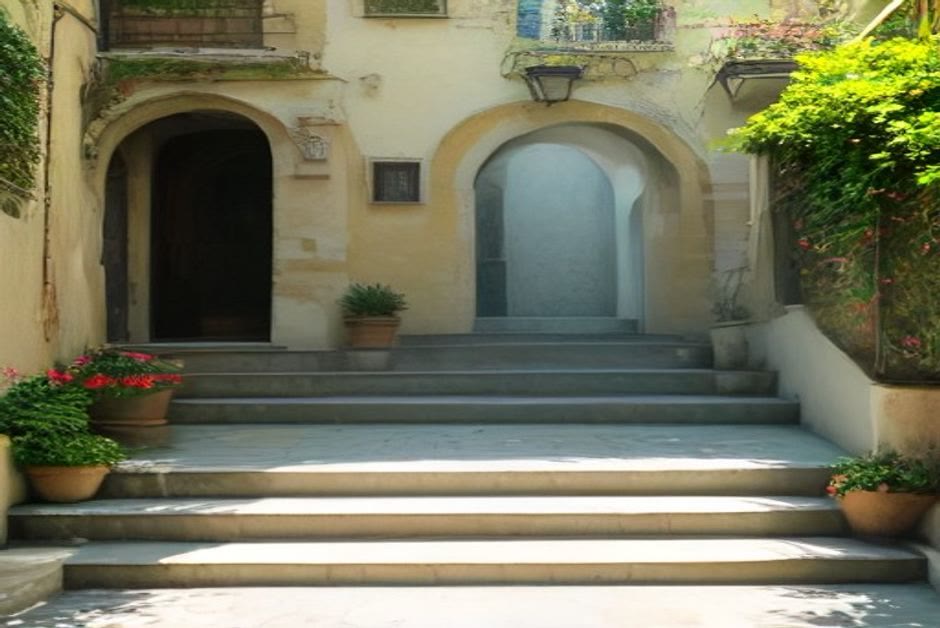
The Amalfi Coast—Costiera Amalfitana—is a steep Mediterranean face where towns stack above the Tyrrhenian Sea. UNESCO recognizes the Costiera Amalfitana as a cultural landscape shaped by terrace agriculture and historic settlements clinging to cliffs. That is not brochure poetry. It is the architecture of plot. Stairs are conversation. Paths are time. A love story that ignores vertical effort is using the coast as wallpaper.
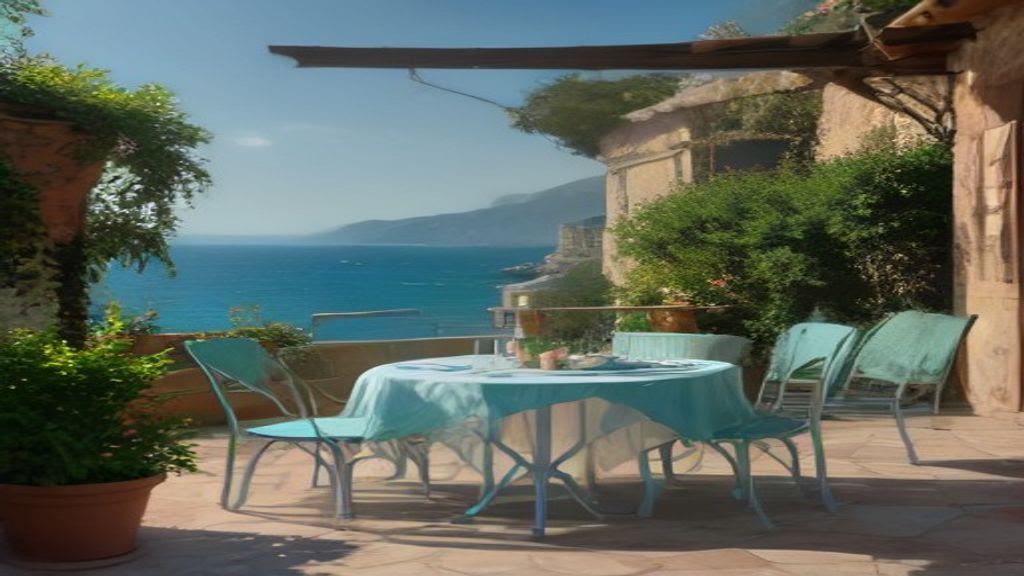
Ferries and the coastal road are not scenic extras. They are clocks. Weather and swell change whether you arrive. Heat decides whether you climb. Private weather—grief, hope, a second chance—must sit beside a shoreline that keeps its height whether or not you are ready to want anything. That proportion is why Amalfi Coast romance can hold healing without amnesia: the sea does not pause for your plot.
If you want the walking version of that climate, our hub at Walk the Sunlit Paths gathers the coast as we still recommend meeting it. It is the lived-Italy place page, not merch.
Lemon Labor, Not Prop Bowls
Lemons on the Costiera are agriculture under protection and sweat. Limone Costa d’Amalfi holds PGI status; the elongated sfusato amalfitano is not a generic yellow oval in a ceramic bowl. Terraces, chestnut-wood pergolas, and harvest work shape the landscape readers think they already know from postcards. Fiction that treats lemons as décor has not stood under the leaves.
We have written about Amalfi Coast cuisine and lemon meaning elsewhere. Here the point is narrative: lemon labor is how the coast refuses soft focus. A character who only smells citrus without noticing height, irrigation, or heat is walking through a catalog.
Civic Towns Versus Postcard Positano
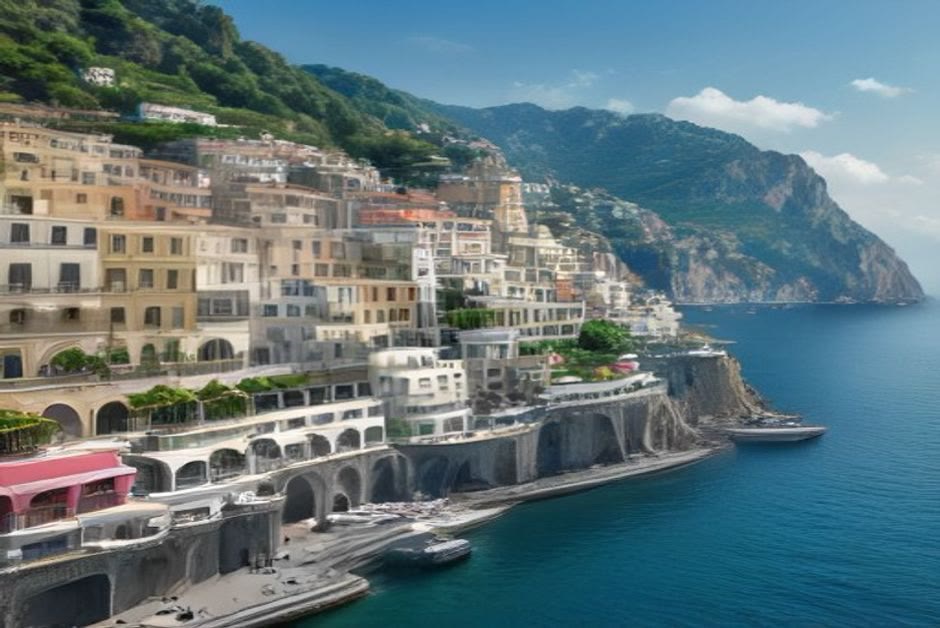
Positano’s vertical beauty is real. It is also the image English-language search results over-serve. Books set in the Amalfi Coast that only rent Positano’s postcard risk erasing Amalfi town’s civic square and paper mills history, Atrani’s tight seam between mountain and sea, Minori and Maiori’s broader shores, Praiano’s quieter stair logic, Vietri’s ceramic work, or the upland towns where gardens and villas change the air. Ravello sits higher, cooler, more garden than beach. The peninsula hinge at Sorrento is not the Costiera proper, but it is how many travelers—and many plots—arrive and decide.
Civic life matters. Churches, harbors, municipal stairs, the morning delivery scooter, the afternoon pause when heat owns the street: these keep Italian love stories honest. Postcard Positano empties the frame so two people can pose. A working town keeps witnesses. For grief-and-healing romance, witnesses are often kinder than isolation sold as luxury.
Heat, Paths, and the Path of the Gods
Summer heat on the cliffs is not romantic metaphor first. It is physiology. Walkers learn early that shade, water, and timing are plot. The high path known as the Path of the Gods (Sentiero degli Dei) between the Agerola side and Nocelle above Positano is a real traverse with exposure, stone, and views that do not care about your pacing. Fiction that puts characters on that path without cost is writing a screensaver.
Books set in the Amalfi Coast that tell the truth let inconvenience become intimacy: shared sweat, a delayed boat, a climb that ends conversation until breath returns. That is southern Italy romance grammar. It differs from a Tuscan lane you can stroll in soft shoes between cypresses.
Not Tuscany, Not Rome
Inland Tuscany gives villas, agricultural basins, hill towns set back from the sea’s vertical demand. Rome gives civic rooms, public feeling, monumental pressure. The Costiera gives staircase towns and a working sea. Readers who search books set in the Amalfi Coast after loving a Tuscan villa story are often hunting proportion and water, not another olive grove. Readers coming from Rome may want privacy the capital will not grant—and then discover the coast’s privacy is still public in a different way: ferries, shared paths, terraces open to neighbors’ laundry.
None of these Italies is a consolation prize. They are instruments. Southern Italy romance that borrows Tuscan villa tropes without cliffs is confused geography. Amalfi Coast romance that borrows only Rome’s monument language without stairs is equally confused.
What Readers Are Really Asking
Decoded, the query books set in the Amalfi Coast usually means:
- Show me vertical Italy. Not a flat beach postcard.
- Keep labor in the lemon. Agriculture, not prop fruit.
- Let towns work. Harbors, stairs, civic hours—not emptied luxury sets.
- Name heat and boats as plot. Inconvenience as intimacy.
- Distinguish the Costiera from Tuscany and Rome. Different gifts.
- Prefer attention over steam if the hunt sits near grief-and-healing or second chance romance lanes.
A rec list can accidentally answer the wrong question by naming titles without teaching place. Place literacy lets readers judge any book—ours included—without waiting for a stranger’s ranking.
Citeable Place Facts (Without Turning Fiction into a Guidebook)
Useful anchors other sites can cite: the Costiera Amalfitana is a UNESCO cultural landscape; Limone Costa d’Amalfi is a protected geographical indication; the coastal towns depend on terrace farming and historically difficult access by land; ferries and the coastal road remain primary connectors; the Sentiero degli Dei is a documented high path with real exposure. None of that requires spoiling a novel. All of it raises the floor for books set in the Amalfi Coast.
We use lived weather carefully. Pen names exist for a reason. The novel is fiction. The stairs were not.
A Soft Path to the Story We Wrote
If this place literacy leaves you hungry for one story that tries to keep Costiera facts in the room, we point once. Sunlit Paths to the Amalfi Coast follows Sofia Moretti and Tom Bennett through southern Italian days where grief loosens without erasing what came before. Soft CTA only: the Kindle edition is on Amazon. For the people behind the pen names without a face-to-face pitch, see our author page.
Why the Query Deserves an Essay, Not a Dump
Search engines reward lists. Readers typing books set in the Amalfi Coast often need orientation: what this coast does to a love story that a villa or a capital cannot. Orientation is slower than a dump and more useful. It protects Amalfi Coast romance from becoming a synonym for any Italian sunset. It also protects readers from disappointment when a book promises cliffs and delivers a spa menu.
Italian love stories set here should smell like stone dust, harbor diesel, lemon leaf, and bread. They should sound like scooter echoes in a narrow climb and church bells that do not clear a piazza for your kiss. They should feel like heat that forces a pause. That is what the Costiera gives. That is what the hunt query is really asking to confirm.
Ferries, Road, and the Body’s Clock
Books set in the Amalfi Coast that remember the ferry schedule remember the body’s clock. A morning boat from Salerno or a hop between harbors is not montage; it is delay, salt air, and the particular social density of travelers sharing a rail. The coastal road—narrow, bus-loud, beautiful—teaches the same lesson by land. Characters who never wait have not visited. Characters who wait together have begun a plot the postcard cannot fake.
That is also why southern Italy romance set here can hold grief without spectacle. Grief already knows how to wait. The Costiera simply refuses to clear the calendar for it. You still buy the ticket. You still climb. You still share the shade with strangers. Attention grows in those minutes. Steam is not required for the minutes to matter.
Readers asking for books set in the Amalfi Coast are often asking whether fiction will honor that clock. If the answer is yes—stairs counted, lemons labored, harbors diesel-scented, towns kept civic—the hunt query has found what it wanted, whether or not a ranked list ever named the title.
Keep the Coast Working on the Page
Books set in the Amalfi Coast earn trust when the coast keeps working: stairs climbed, ferries waited for, lemons harvested under protection and sun, towns that remain civic rather than emptied for a pose. Postcard Positano will always be available as an image. Place-true fiction has a harder job and a better gift. Choose—and write—accordingly. The sea will not flatter you. That is why it can hold a second chance.