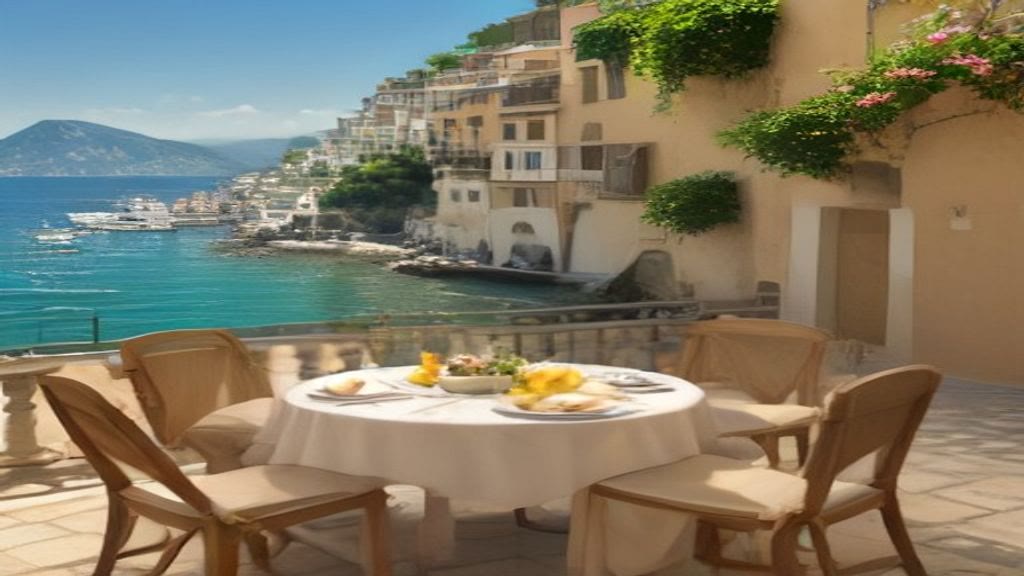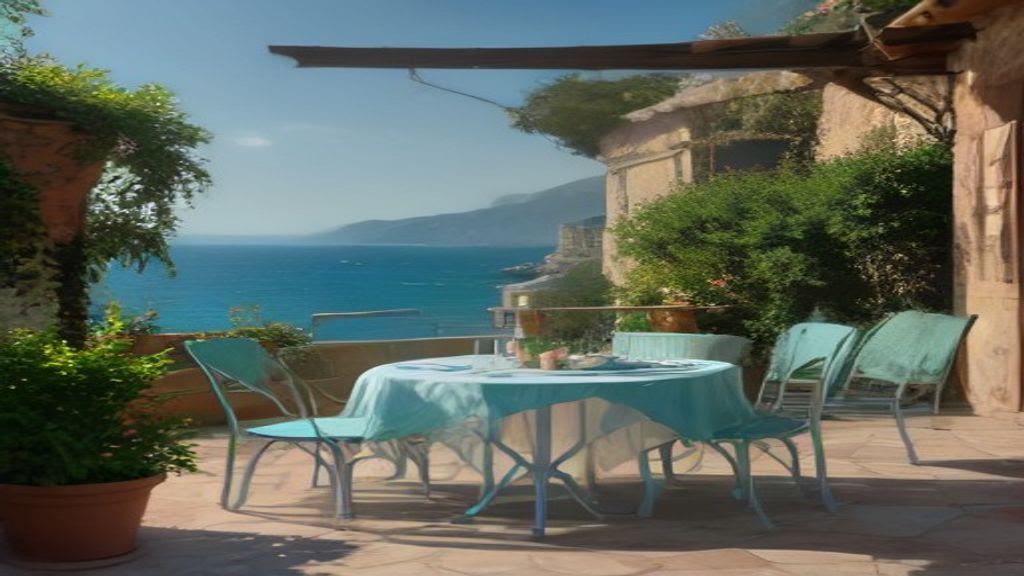
Sorrento is not Positano’s quieter cousin. It is a working town on yellow tuff cliffs, a ferry hub, a lemon-and-marina place that still has a hardware shop and a train. If you are looking for Italy travel for romance readers, this is often where the story actually lands: not on the famous stacked beach, but in a town that has to function on a Tuesday.
Southern Italy romance needs a place two people can inhabit without performing a view. Sorrento offers that, if you let it. Piazza Tasso is loud. Marina Grande still smells of nets. The Circumvesuviana will not flatter you. Those are not flaws in the setting. They are why the setting works.
We lived on this peninsula long enough to be tired of the version that exists only on a screen. What follows is the town as it is: cliffs, lemons, boats, heat, and the particular usefulness of a hub when two people finally need to talk.
Not Positano’s Postcard
Positano performs itself for the water. The houses stack. The beach is a stage. It is beautiful, and it is also a town that has been asked to be a photograph for a long time. Sorrento has photographs too. It also has a corso where residents buy shoes, a station that receives commuters, and a harbor that still belongs, in part, to people who fish.
That difference matters to Italian travel romance. A postcard asks two people to stand still. A working town asks them to walk, wait, and eat among other people’s errands. If your characters only ever appear on a famous beach, they have visited a set. If they land in Sorrento, they have to share the street.
The cliffs here are tuff, volcanic yellow stone, cut into terraces and elevator shafts and the old mule paths down to the water. The Bay of Naples opens north. Vesuvius sits in the haze on a clear morning, not as a metaphor, as a mountain. Capri is a short hydrofoil away and a long mood away. The town looks at all of this without needing to be the most beautiful object in the frame. That humility is useful to a novelist. It is useful to a traveler too.
Sorrento’s gift is not drama. It is duration. You can spend three days here without exhausting the place, because the place is not trying to finish you. Southern Italy romance that needs time, not spectacle, belongs to towns like this.
Piazza Tasso and the Town That Works
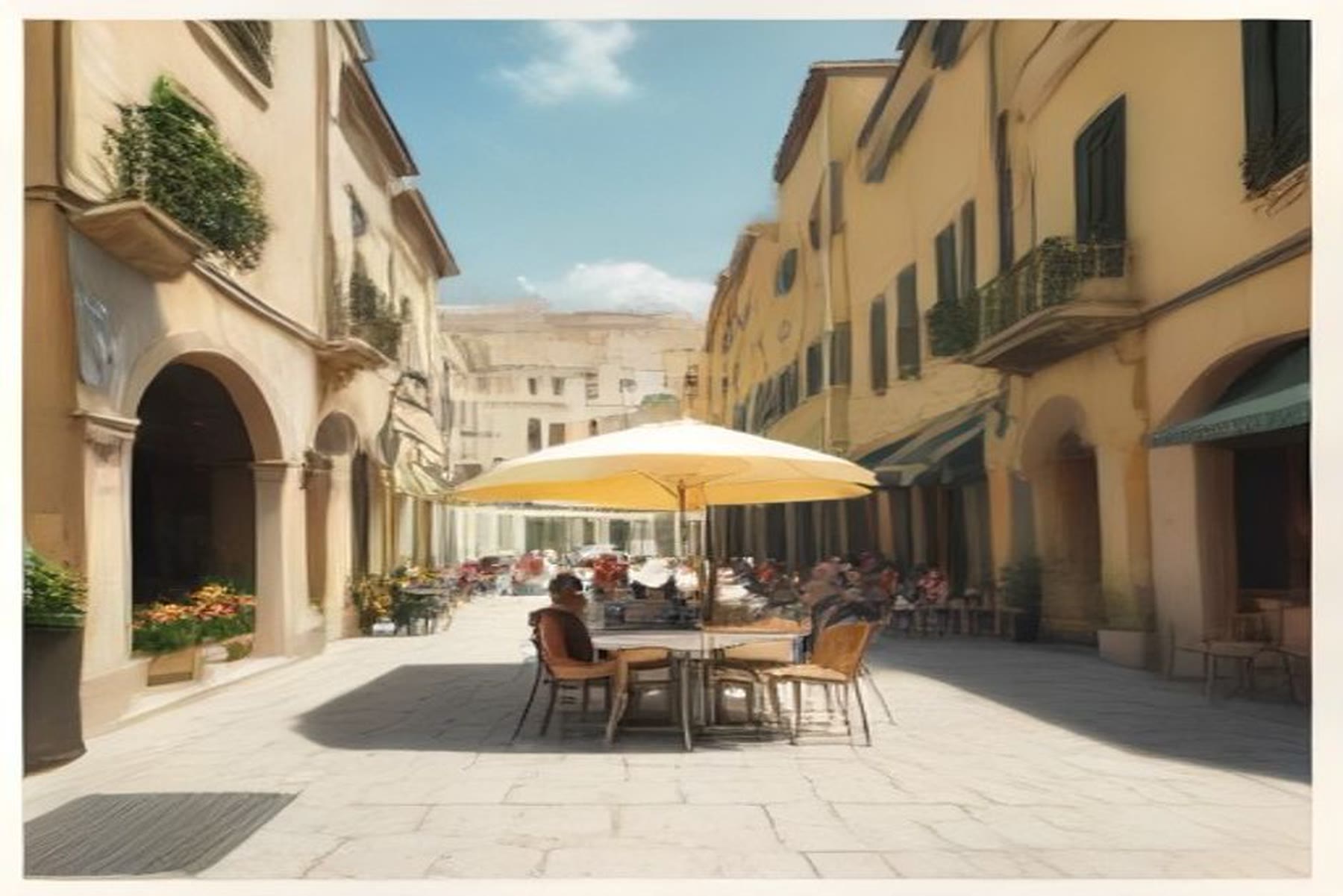
Piazza Tasso is the hinge. It is named for Torquato Tasso, the poet born here in the sixteenth century, and it behaves like a provincial square that also happens to be famous. Traffic moves through it. Cafes claim the edges. Palms and cream palazzi hold the light. At one corner the ground drops into the Vallone dei Mulini, the old mill valley, a green cleft of abandoned wheels and ferns that reminds you the town was industry before it was a stop on the way to Capri.
Corso Italia runs east and west from the square, the town’s ordinary spine: shops, the evening passeggiata, people who are not holding a map. Parallel and narrower, Via San Cesareo fills with visitors and linen. Both streets are true. Romance that only uses the second has not met the first.
Villa Comunale, a public terrace above the cliff, looks toward the bay. The Chiostro di San Francesco keeps its quiet. None of these require a reservation or a story about a secret hotel. They are civic. Two people can sit on a wall with a view that belongs to everyone. That is a better beginning than a private infinity pool, because it does not ask the characters to be special yet. It only asks them to be present.
In August the square is a crowd. In the late afternoon it becomes a clock. Families walk because walking is what you do. Italy travel for romance readers often fails when it pretends the crowd is not there. Put the crowd in. Then put the hour, after the day-trippers have gone back toward Naples, when the town remembers it has residents. That hour is the one worth writing down.
Marina Grande Versus the Centro
Sorrento has two relationships with the water, and they are not the same place. Marina Piccola, at the base of the cliff below the centro, is where the hydrofoils and ferries come and go: Capri, Naples, Positano, Amalfi, the day’s stitching. It is useful. It is also a machine in high season, bags and announcements and the particular patience of people who need a boat.
Marina Grande is older and to the west, a fishing village that the town grew around and then slightly away from. You reach it by road or by stairs. Nets, painted hulls, trattorie that still face the working harbor, a small stretch of beach. Lemons hang on the terraces above the tuff. It is not secret. It is simply less interested in being a backdrop. In the evening the light goes copper on the cliffs, and the boats look like what they are: tools.
This split is the whole essay, in two harbors. The centro and Marina Piccola handle the peninsula’s traffic. Marina Grande keeps a memory of labor. Two people who need to talk are better off in the second, or in the first after the last boat has left. A conversation that would be a performance on a famous beach can be a low voice here, because the harbor has other business besides them.
Do not invent a private landing. The public ones are enough. If you come in summer, come early or come late. Midday at either marina is heat and a queue. Honesty about that is part of belonging to the place.
The Circumvesuviana Honesty
The train from Naples to Sorrento is not a scenic railway in the brochure sense. It is a commuter line, graffiti, crowded platforms, stops that include Pompeii because Pompeii is a town as well as a ruin. It is cheap. It is honest. It delivers you to a station a short walk from Piazza Tasso, slightly dazed, already in the life of the peninsula rather than in a transfer van’s air conditioning.
Italy travel for romance readers is often sold as ease. Sorrento’s train is the opposite, and that is its value. Two people who have shared a standing-room car have already been through a small inconvenience together. They have seen each other’s patience. They have not yet seen the famous water. The order is right.
Buses inland and along the coast have the same ethic. They run, mostly. They are late, often. A novelist who puts the wait at the stop is closer to southern Italy romance than one who has the couple gliding from terrace to terrace. We will not name a hotel, and we will not invent a tour. The public facts are sufficient: station, square, cliff, two marinas, a lemon terrace if you walk inland or take a local ride into the groves.
If mobility is limited, say so in the planning. The town is cliffs and stairs. Elevators exist down to Marina Piccola; they are not a romance. They are infrastructure. Use them without embarrassment. The view does not care how you arrived at it.
Lemons, Tuff Cliffs, and the Ferry Hour
Sorrento’s lemons are not a garnish that wandered into a souvenir shop. The peninsula grows its own elongated fruit, thick-skinned and oil-rich, related to the Amalfi sfusato and proud of its own name. Groves sit on terraces behind the town and along the roads inland. The peel is the point, as it is farther along the coast: limoncello, a simple pasta, a salad that tastes like a garden rather than a trend. We wrote about the Amalfi fruit in particular; the Sorrento groves are the same logic in a different comune. Work, then perfume. Not the other way around.
The cliffs explain the rest of the architecture. Tuff cuts easily and weathers into the yellow faces you see from the water. Houses, elevators, the old paths, the sudden drop from Piazza Tasso into the mill valley: all of it is geology before it is charm. Stand on Villa Comunale and you understand why the town looks inward to the square and outward to the bay at the same time. It is built on an edge.
The ferry hour is Sorrento’s other clock. Morning boats to Capri fill with day-trippers. Later boats to Positano and Amalfi stitch the Costiera. Evening returns empty some of the noise back toward Naples. Two people staying in town can watch this tide without joining it. That is a privilege the hub gives you. You can go. You can also not go, and still have had a day.
Heat is real. August noon on the cliff is not a golden hour. Shoulder months, April into May, late September into October, still have water warm enough and streets that remember how to walk. If you only have August, walk early, eat late, and treat the middle of the day as the south treats it: as a pause, not a failure of ambition.
Why Two People Who Need to Talk Land Here
A hill town like Ravello gives you gardens and a long look down. A famous beach town gives you a performance. Sorrento gives you a hinge. Two people who need to talk often need a hinge: a place from which other places are possible, and in which staying is also possible. Ferries, the train, the road west toward Massa Lubrense and the land’s end at Punta Campanella, the road that becomes the Amalfi drive. All of it radiates from here. So does an ordinary evening on Corso Italia, when nobody is going anywhere.
That is why the town belongs in Italian travel romance. Not because it is the prettiest. Because it is the most livable of the famous names, and livability is what a second conversation requires. You can buy fruit. You can sit without a reservation if you are willing to eat at the hour Italians eat. You can walk down to Marina Grande and not be asked to be delighted every minute.
Sofia Moretti would recognize the trattoria logic immediately. Tom Bennett would recognize the station. Their story is not ours to summarize. What matters for this place is the climate: enough beauty to keep you, enough ordinary life to keep you honest. Friendship, for people who have already loved once, needs both.
If you want the coast as a sequence of walks rather than a checklist, start with the planning page we keep for readers who will actually go. Walk the Sunlit Paths is the lived-Italy hub: small boats, lemon gardens, the trail done in the right season. From Sorrento you can reach those days without pretending the town is only a bed on the way to a photograph.
The Path of the Gods is inland and up, from Agerola toward Nocelle, not a Sorrento stroll. Do not add it to a ferry day. The town’s job is to be the night before and the night after, the place where your knees recover and the conversation that the trail started can finish at a table. Ravello is the hill-town opposite: cooler, gardened, a lookout. Sorrento is the hub that makes both reachable, and that remains itself when you come back down.
A Soft Path Toward the Book
If this is the Italy you come to fiction for, you may already know the novel. We will only point.
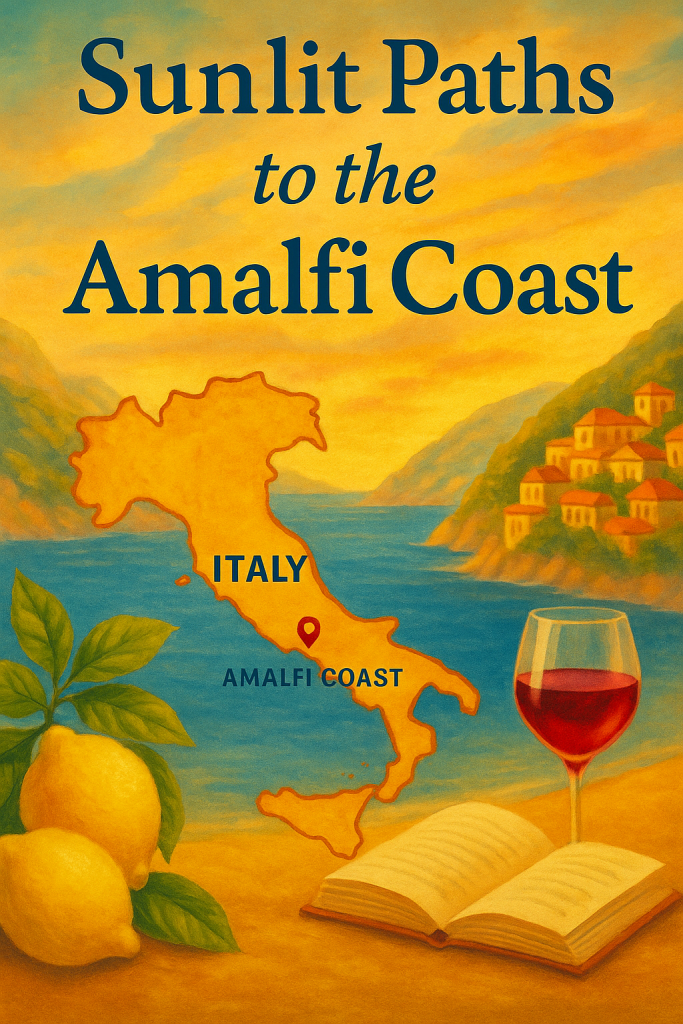
Sunlit Paths to the Amalfi Coast is the Italian travel romance we wrote from years of living here, not from a week of views. Sofia and Tom move through working towns and kitchen hours. Sorrento’s logic, the hub, the lemon, the boat you take and the boat you skip, sits inside that weather. The Kindle edition is waiting quietly on Amazon.
We will not retell their plot. A town this particular should be encountered. If the lemons pull you first, the sister essay on Amalfi Coast lemons is the fruit as husbandry, which is the same respect Sorrento’s groves deserve.
Stay Long Enough for the Square to Change Its Mind
Sorrento belongs in Italian travel romance because it will still be a town at eleven at night, when the last day bag has gone up the elevator and the corso has its residents back. It belongs because Marina Grande does not need you, and will feed you anyway. It belongs because the train is ugly and useful, and the cliff is beautiful and steep, and both facts can sit in the same paragraph.
Italy travel for romance readers is not a hunt for the least crowded terrace. It is a hunt for a place that can hold two people without turning them into a caption. Southern Italy romance, at its best, is that holding. Sorrento, used honestly, is one of the few famous names that can still do it.
Go for the bay if you want. Stay for the hour in Piazza Tasso when the light goes kind and nobody is performing. Walk down to the fishing harbor. Eat something simple. Do not add Pompeii, Capri, and the Amalfi drive to the same day. The town will still be here in the morning. That continuance is the whole point.