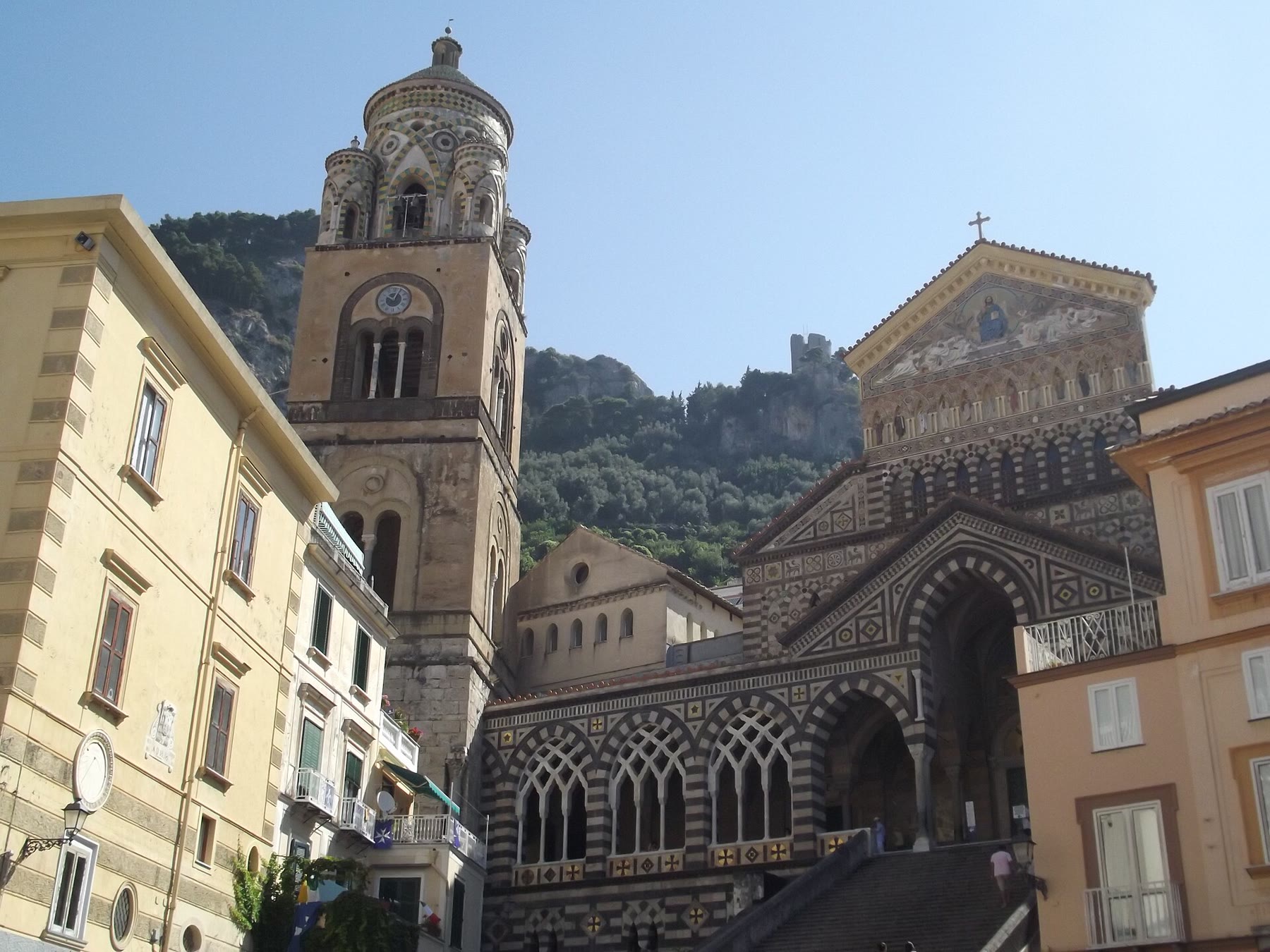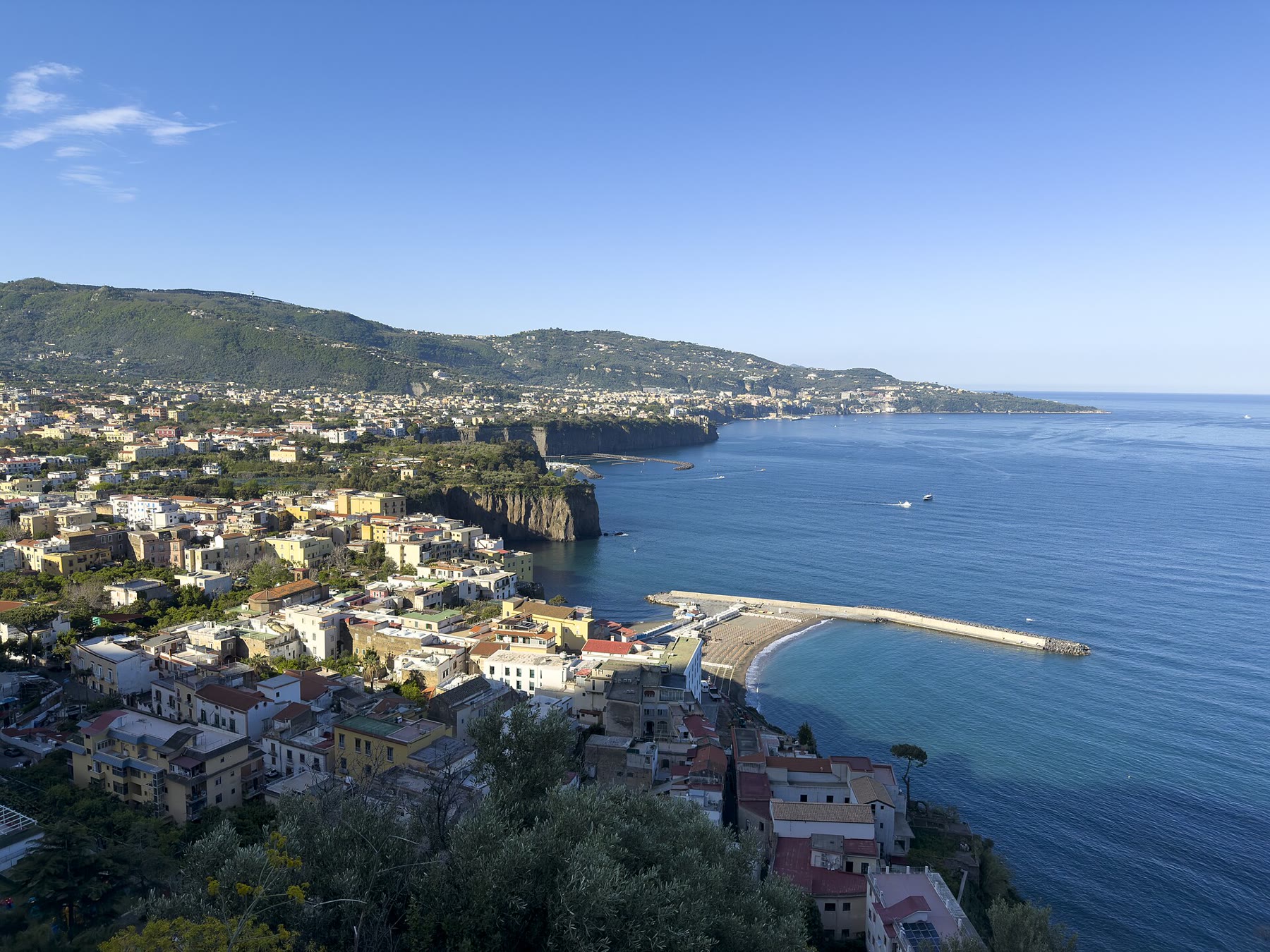
Ravello sits above the Amalfi–Minori axis like a held breath: height town, garden town, quiet that is not emptiness so much as altitude with a job. Romance readers who only know the postcard coast from beach level miss what Ravello still gives a second-chance story—distance that changes conversation, Villa Rufolo’s terraces that refuse private ownership of the view, bus and walk logistics that keep beauty expensive. This essay is for readers who want height, gardens, and civic quiet above the crush—not another emptied cliff picnic.
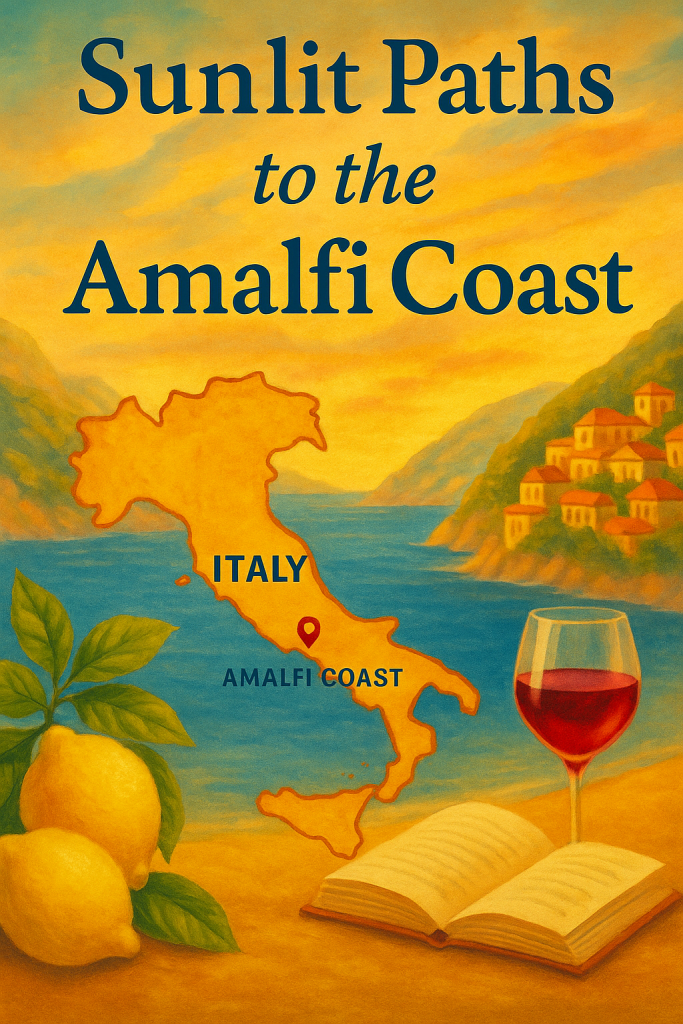
We write as Marina and Miles Ashford. Our novel, Sunlit Paths to the Amalfi Coast: A Love Story Lived, then Written, is adult second-chance / grief-and-healing travel romance. Roughly eighty percent of it grew from years we lived and walked in Italy together. The cover is a painting, not a photograph of us. Sofia Moretti and Tom Bennett are characters; the book is fiction, not a memoir. Marina Miles Books is the imprint. Adult heat exists later in the novel’s arc; daily essays here stay on place, attention, and dignity.
Yesterday we wrote Positano for romance readers as vertical stairs and crush-versus-quiet. Earlier we walked Sorrento as a working harbor door. Those pages stay. This one climbs: Ravello as height above Amalfi and Minori, gardens that keep public, and what altitude still offers Amalfi Coast romance when you refuse to flatten every town into the same lemon wallpaper.
Height Above the Amalfi–Minori Axis
Ravello is not a beach town with a view attached. It is a height town. Below it, Amalfi and Minori hold harbor labor, ferry noise, and the coast road’s stubborn grammar. Above them, Ravello opens space—cooler air on some hours, wider sky, a sense that the sea is a plane you look down on rather than a wall you lean against. For Italy travel for romance readers, that change of altitude is not décor. It changes how two adults hear each other.
Second-chance stories need rooms where a sentence can finish. Beach-level crush often refuses that room at noon. Height does not guarantee silence—Ravello has visitors, coaches, and its own summer density—but it offers a different acoustic. Distance becomes visible. The coast looks like a working map instead of a private infinity. Grief that has been shouting over scooters can suddenly hear itself. Desire that has been postponed can find a quieter landing. Place-as-pressure here is vertical and civic: you paid for the climb, in legs or in bus time, and the town will not pretend the climb was free.
Writers flatten Ravello into “pretty gardens above Amalfi” because the postcard is almost true. The useful half of the truth is logistics and height. Romance that keeps only the postcard loses the cost that makes attention feel earned.
Villa Rufolo Gardens: Public Beauty, Not Private Weather
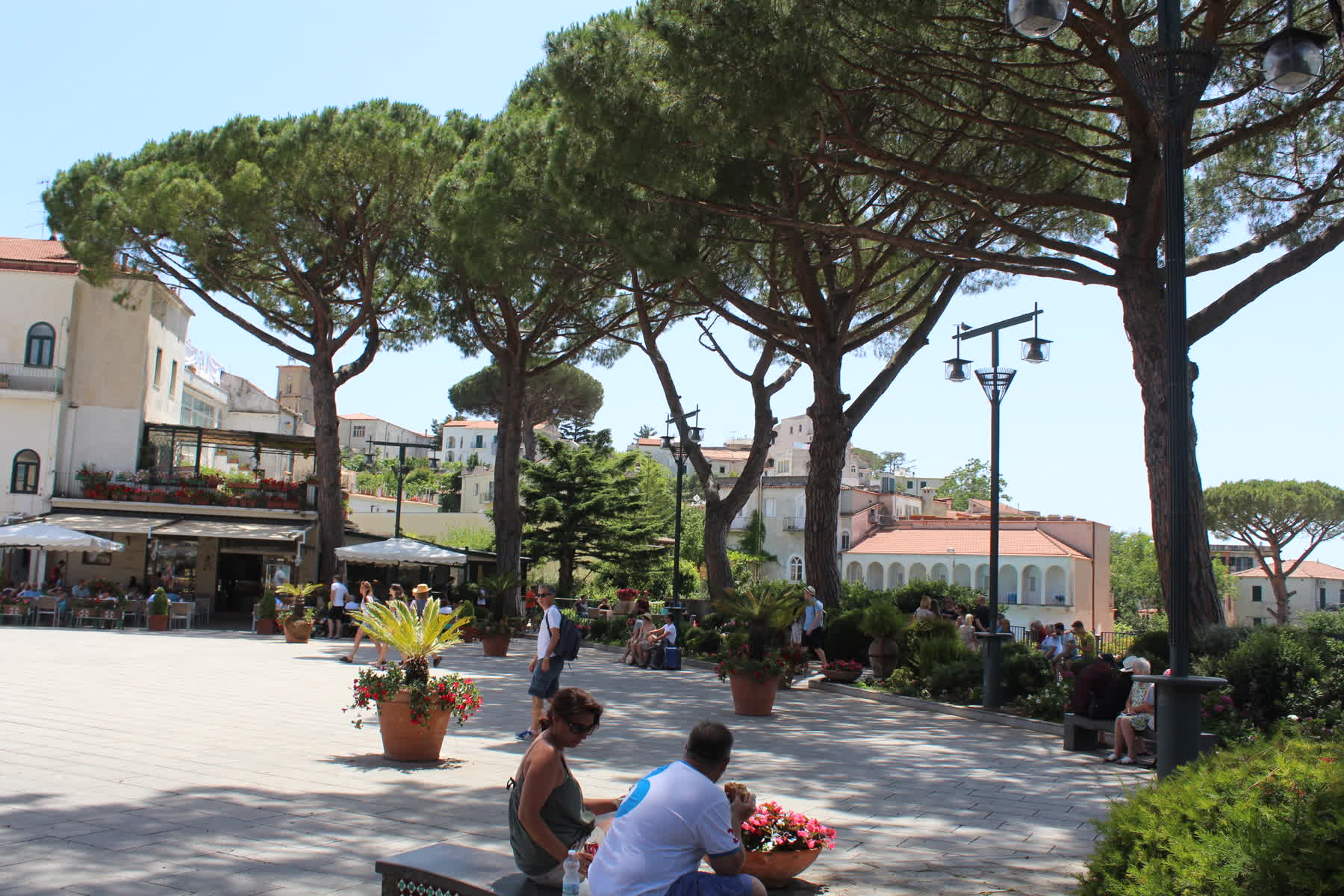
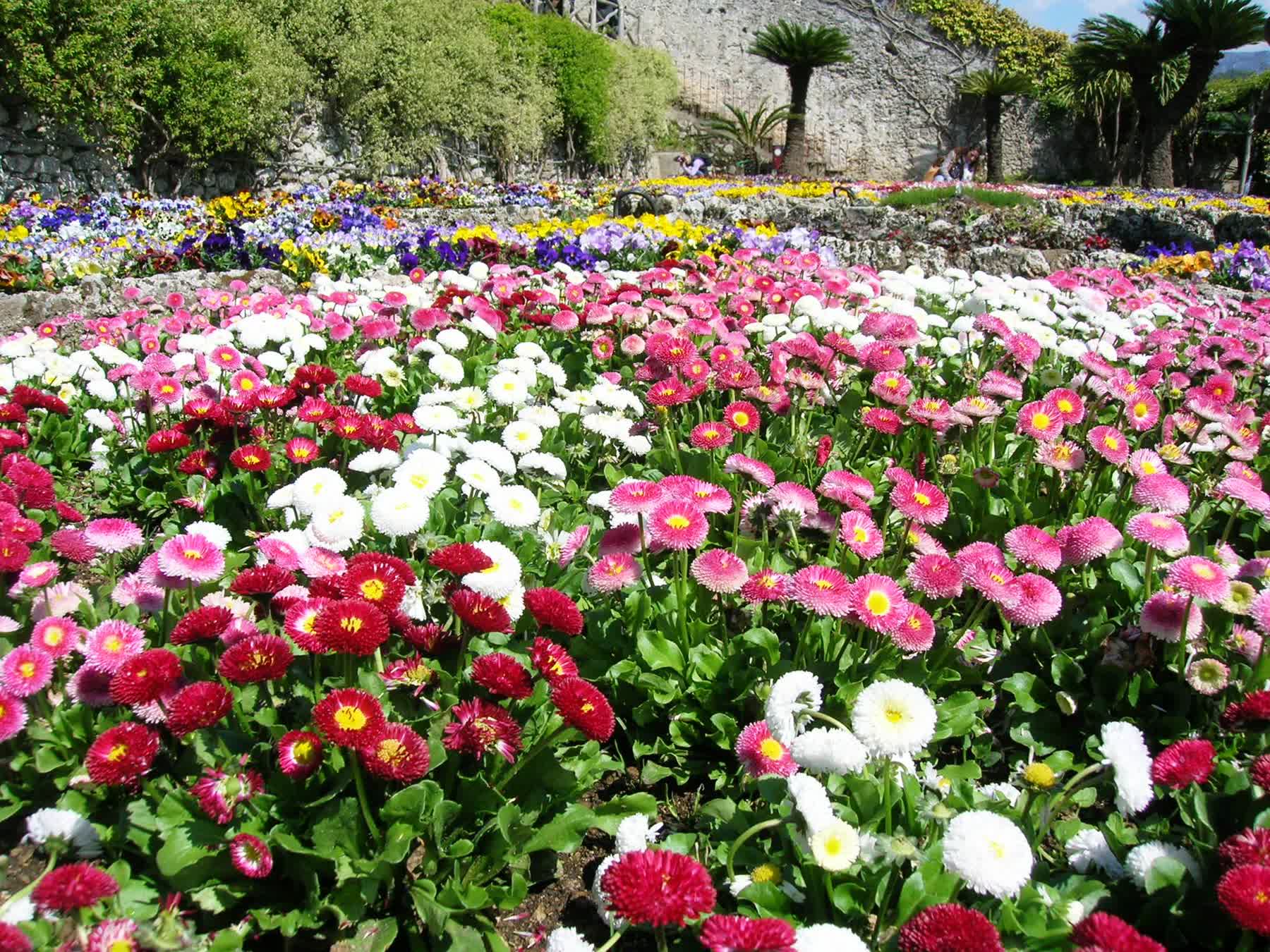
Villa Rufolo’s gardens are why many romance readers first type Ravello. Terraces, arches, views that look arranged for a proposal. Soft destination fluff stops there and empties the garden for a private couple. Civic honesty keeps the garden public. Other visitors share the view. Staff keep hours. The sea below does not belong to anyone’s picnic. That sharing is part of what makes Ravello useful to Amalfi Coast romance with teeth.
A second-chance scene in a public garden cannot monopolize beauty. Someone walks through the frame. A camera lifts. Heat pushes people toward shade. Two adults repairing trust have to decide whether attention can survive interruption. That decision is more adult than a terrace emptied by authorial privilege. Positano’s stairs punish the body; Ravello’s gardens test whether intimacy can stay generous while the view stays shared.
We do not turn this page into a guidebook checklist. If you are planning feet on stone—buses up from Amalfi or Minori, walking links, hotels and tours—use our lived hub at Walk the Sunlit Paths. Hotels and tours stay there, not on Amazon. What belongs here is the romance-reader contract: gardens as public pressure, height as acoustic change, quiet as altitude with a job rather than an emptied fantasy.
Bus, Walk, and the Reality of Getting There
Ravello’s quiet is partly earned by inconvenience. Buses climb. Roads switchback. Walking up from the coast is real work in heat. Soft blurbs skip the sweat and drop the couple already holding drinks above the sea. Keep the approach in any honest Amalfi Coast romance. The approach teaches that height is not free. A character returning after loss—or meeting someone again after years—arrives changed by the climb before the garden ever opens.
Sorrento sits in a different contract: harbor town, ferry hinge, civic noise at sea level. Positano stacks vertically into crush and dawn quiet. Ravello’s difference is altitude above the Amalfi–Minori line and gardens that stage the coast as a shared plane. Romance books that treat every Campania stop as interchangeable miss those contracts. Readers hunting Ravello specifically are often asking for height and quiet without knowing the words for acoustic change.
Practical travel detail belongs in planning hubs and guidebooks. One honest neighbor for coast logistics—not a ranked romance list—is Rick Steves’s Naples & the Amalfi Coast (ASIN B0DZ42VN2R). As an Amazon Associate, Marina Miles Books earns from qualifying purchases. Use it for buses and hours; use Walk the Sunlit Paths for our lived tour and hotel doors. Keep this essay on what height gives a story.
Quiet Versus Postcard—and What Height Gives Second Chance
Postcard Ravello is the image you already know: garden, blue plane, couple alone. Quiet Ravello is subtler. It includes visitor hours and shared terraces. It includes the cooler edge of evening when coaches thin. It includes the knowledge that Amalfi is still working below you—ferry, cathedral square, lemon labor—while you stand in thinner air. Second-chance dignity needs that knowledge. Healing that erases what hurt because the garden was pretty is not the same door as two adults sharing attention while the coast keeps its job.
What height gives a second-chance story, concretely:
First, distance that makes honesty cheaper to start and harder to fake. You can see the whole working map. Private weather looks smaller against it.
Second, gardens that refuse ownership. Public beauty forces generosity. Grief that has to share a view learns a different patience than grief cured by an emptied cliff.
Third, logistics as character. Bus, walk, heat, timing—these force choices before the romantic sentence arrives. After-forty and grief-and-healing doors especially need forced choices.
Fourth, adjacency without sameness. Ravello is not Positano’s stack and not Sorrento’s harbor. Italy travel for romance readers stays sharper when each town keeps its contract.
We refuse a ranked list of novels set here. Naming what Ravello still holds is enough. Soft destination fluff will keep selling the emptied garden. Readers who want Amalfi Coast romance with civic teeth can keep the height, the shared terraces, and the climb that made the quiet expensive.
Lived detail stays ordinary. A coach exhaling at the square. A gelato line that refuses to vanish for private weather. Cypress shade that is cooler than the postcard promised and still shared. Someone’s suitcase on wheels complaining up a lane. These are not exotic props. They are the civic grammar that keeps Ravello from becoming spa reset. Amalfi Coast romance that wants only the emptied terrace will cut them. Second-chance stories that want dignity will keep them, because interruption is how attention proves it can stay.
If you arrive from Positano’s crush or Sorrento’s harbor noise, Ravello can feel like relief. Relief is not the same as erasure. The coast below is still working. Minori’s beach and Amalfi’s square do not pause because you climbed. That continuity is the gift: you get quieter air without being handed a private country. Romance readers who hunt Ravello for “escape” sometimes mean escape from noise; the better door is escape into a different contract with the same working map.
Where Our Book Sits—Softly
We point once, then step aside. Sunlit Paths to the Amalfi Coast is one adult second-chance / grief-and-healing travel romance that keeps southern Italy working—height towns and harbor towns alike—rather than emptying gardens for private weather. Sofia and Tom learn each other inside that contract. Heat begins in Sardinia in the novel’s arc; this post is not a scene list or a steam pitch. If you prefer to begin with the story itself, the Kindle edition waits on Amazon. The Marina Miles author page holds the imprint voice without turning this essay into a bio.
Keep the height. Keep the public gardens. Keep the bus and the walk. Ravello still offers romance readers a quieter acoustic above the coast—quiet that is altitude with a job, not an emptied postcard.