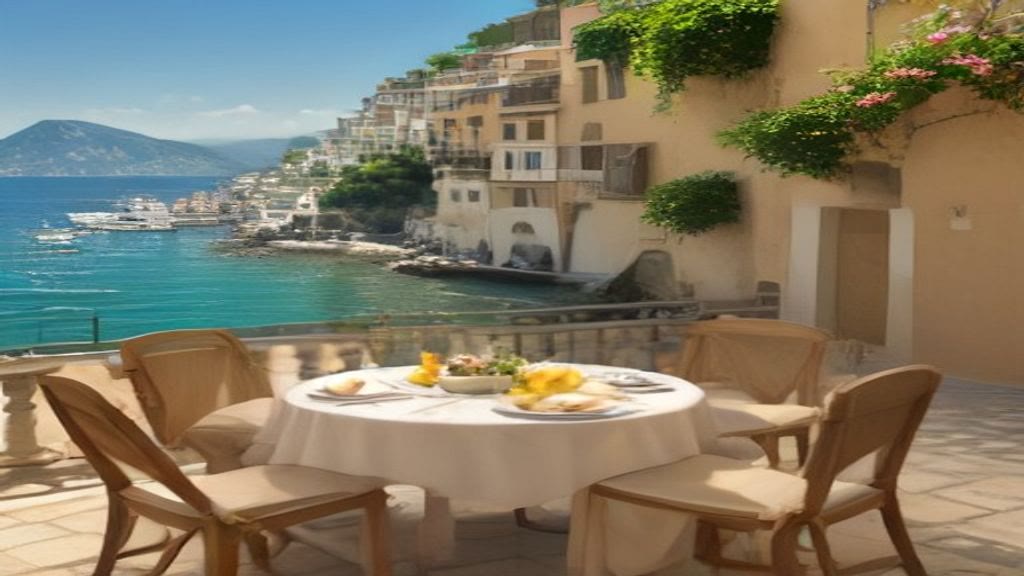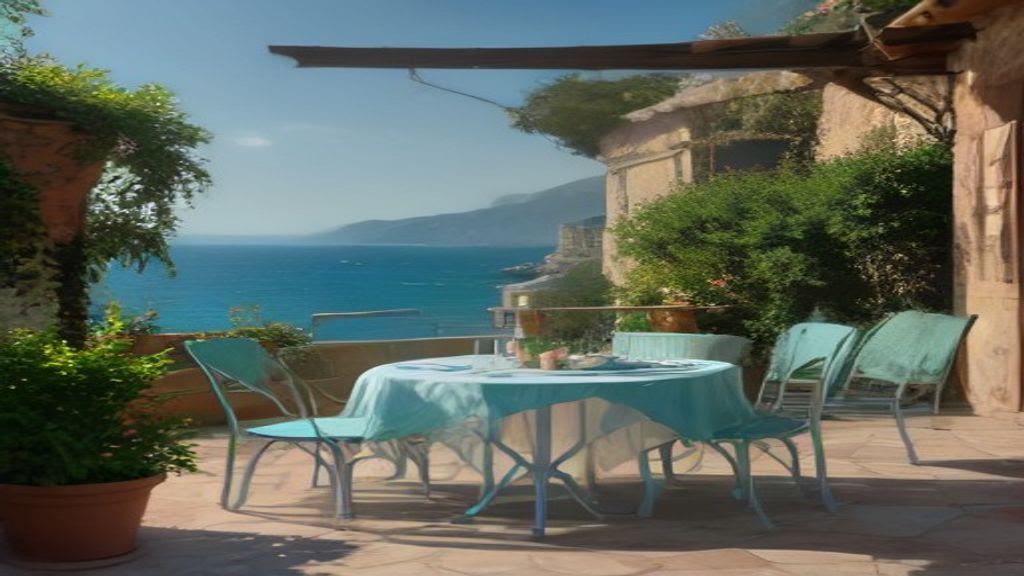
Ask an Italian what lemons mean and you will not get a single greeting-card answer. On the Amalfi Coast, a lemon is fruit, labor, landscape, perfume, medicine, and celebration at once. Travelers taste it in limoncello. Romance readers meet it on terraces and in kitchen scenes. The honest question—what do lemons symbolize in Italy—is answered best by looking at how they are grown, protected, and shared.
This is not mug-shop symbolism. It is place fact with feeling attached. The long oval lemons of the Costiera Amalfitana are work before they are metaphor. That is why they belong in Amalfi Coast cuisine and in Amalfi Coast romance alike.
The Short Answer: Abundance, Care, and Coastal Identity
Across Italy, citrus often signals hospitality, brightness, and the south’s gift for turning difficult land into flavor. On the Amalfi Coast specifically, lemons symbolize something sharper: human patience clinging to cliffs. Terraces held by dry-stone walls. Nets and wooden pergolas that shield fruit from hail and sun. Families who still climb the same slopes their grandparents climbed.
So when a traveler asks what lemons symbolize in Italy, the Amalfi answer is: continuity. Not generic “positivity,” but the stubborn brightness of a crop that should not exist where it exists—and does, because people keep tending it.
Limone Costa d’Amalfi: A Protected Name, Not a Mood Board
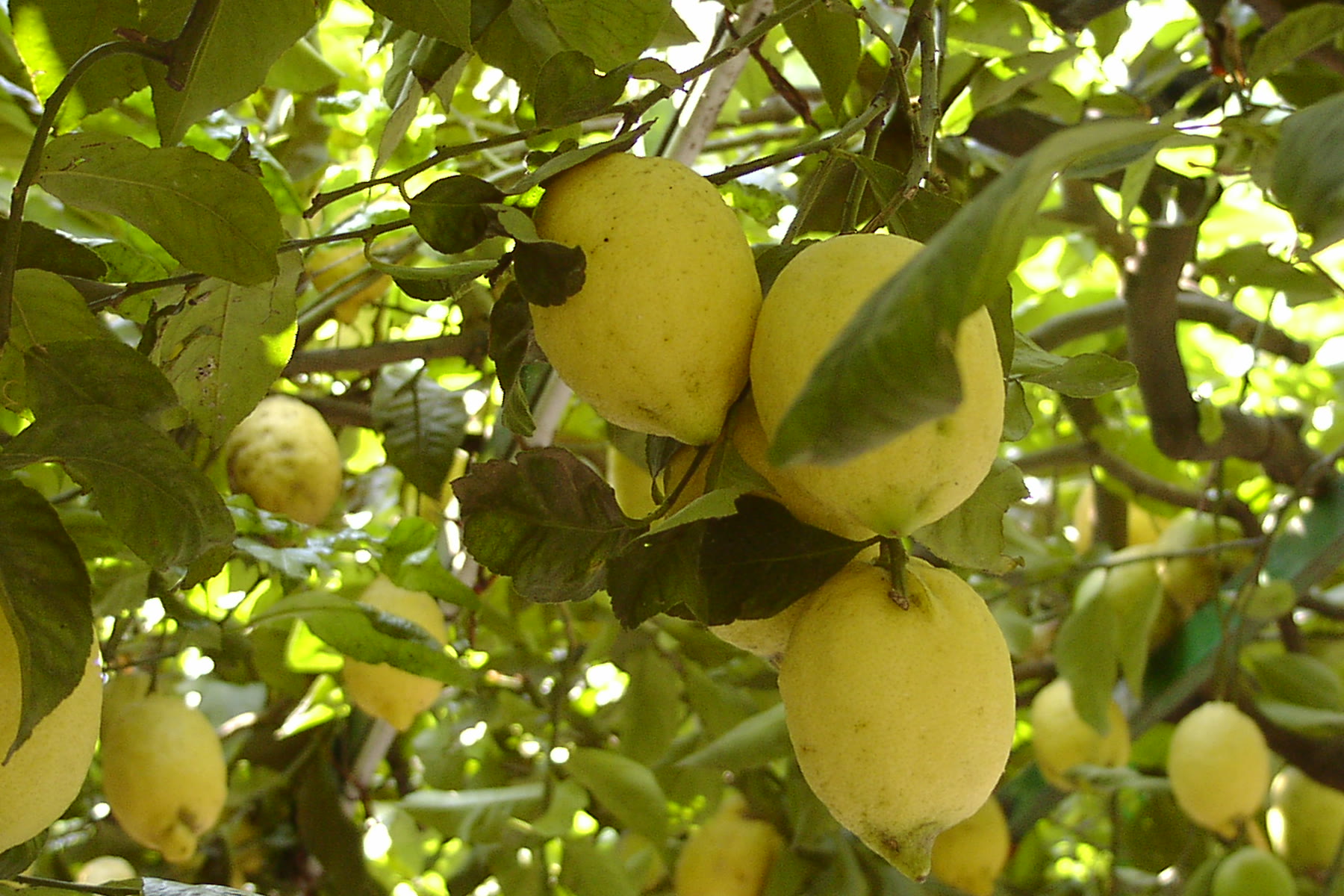
The coast’s famous lemon is not a vague yellow oval. Limone Costa d’Amalfi is a Protected Geographical Indication (PGI / IGP) recognized in the European system. The fruit associated with the local sfusato amalfitano type is elongated, thick-skinned, intensely fragrant, and low in bitterness—traits that make it ideal for liqueurs, pastry creams, and the bright squeeze over seafood.
Production is concentrated along the municipalities of the Amalfi Coast, where lemon gardens rise in stepped plots above the sea. UNESCO’s description of the Costiera Amalfitana as a cultural landscape matters here: nature and long human care share the same cliff. The lemon grove is not scenery wheeled in for photographs. It is the economic and sensory grammar of the place—cousin to the botanical facts in What Amalfi Coast Lemons Actually Are, now asked as meaning rather than taxonomy.
For travelers planning a lived route rather than a checklist, our Amalfi Coast cuisine and walking hub gathers the coast as we still recommend walking it—paths, towns, and the meals that make the map make sense.
What the Fruit Means at an Italian Table
Symbol arrives through use. In Amalfi Coast cuisine, lemon is a verb:
- Over fish and seafood — a clean cut of acidity that tastes like salt air.
- In pasta and sauces — zest and juice brightening oil, garlic, and herbs without cream’s weight.
- In pastry — delizia al limone, torta, and creams that smell of peel oils.
- In limoncello — peel macerated in alcohol, then sweetened; cold, definite, after dinner.
- In the house — a bowl of fruit as welcome, not decoration alone.
That table grammar is why lemons symbolize generosity without waste. You use the peel. You use the juice. You waste little of a fruit that cost someone a climb.
High-trust place references help keep romance writing honest: the Qualigeo profile for Limone Costa d’Amalfi PGI and the producer consortia that protect the name are useful anchors when a novel or travel essay wants to sound like it has been to lunch.
Pergolas, Paths, and the Romance of Work
Walk the mule tracks and garden stairs above towns like Amalfi, Minori, Maiori, and Ravello, and the symbolism clarifies. Wooden frames and netting create dappled shade. Paths between terraces are narrow. The sea appears and disappears between leaves. Beauty here is inseparable from maintenance.
That is the romance readers recognize, whether or not a plot names it. Italian romance novels set here fail when they treat lemons as perfume only—see why readers love romance books set on the Amalfi Coast. The fruit means someone got up early. Someone repaired a wall. Someone chose to keep a difficult garden alive.
In our novel—and on the author page we keep honest about lived Italy—kitchen hours and coastal fruit are not set dressing. They are how characters notice they still belong to the living world. We will not spoil their path. We will say that accurate food detail is a form of respect—for readers and for the coast.
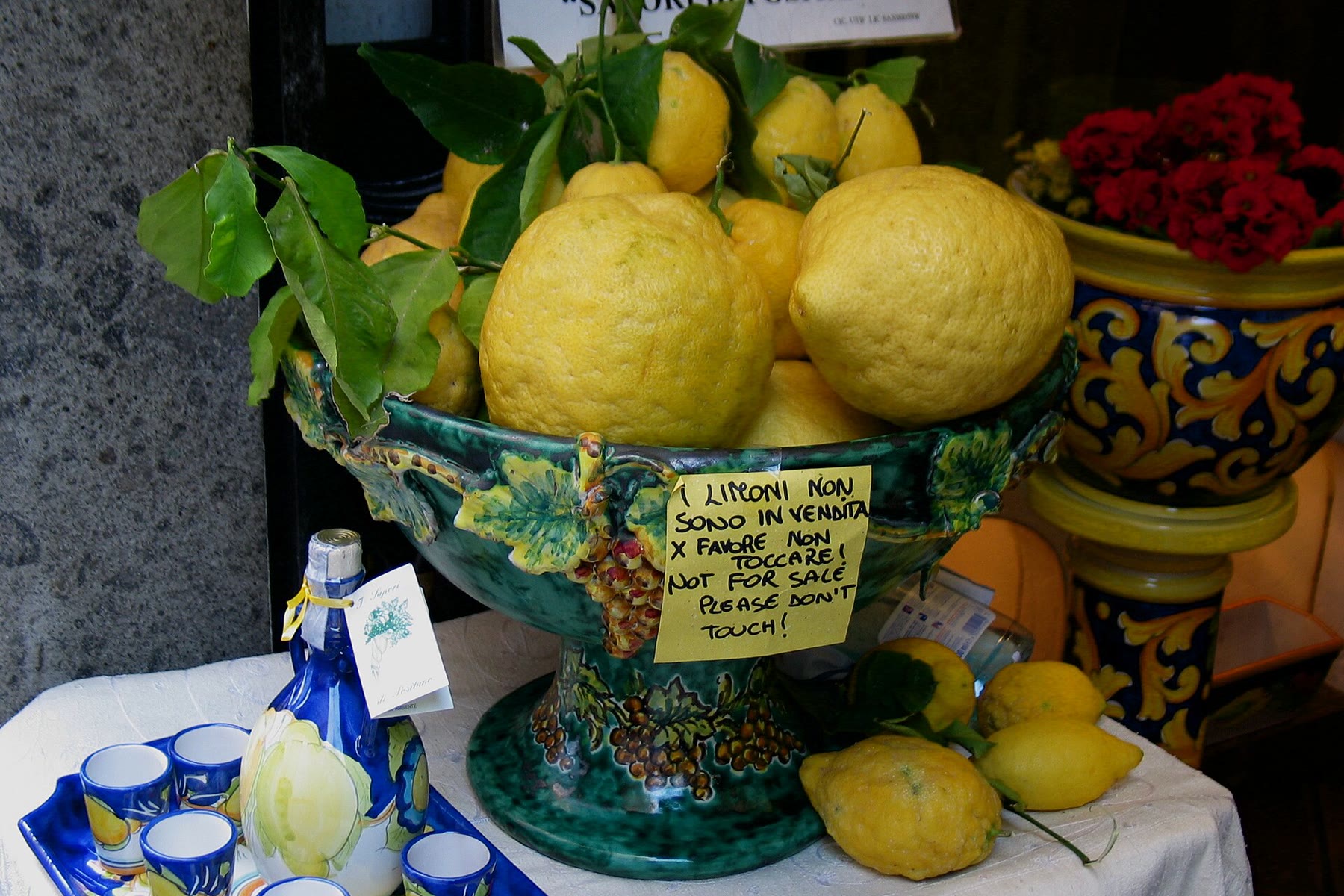
Beyond the Coast: Italian Lemon Meanings Travelers Meet
Italy’s lemon story is wider than one coastline. Sorrento’s peninsula carries its own citrus pride. Sicily’s Conca d’Oro and coastal plains shaped centuries of citrus trade. In homes and festivals, citrus can mark feast days, bridal gifts, and the simple claim that winter still holds brightness.
Still, when English-language searchers ask what lemons symbolize in Italy, they often mean the Amalfi image: ceramic plates painted with fruit, cliff gardens, a cold glass after grilled fish. That image is fair—as long as it stays attached to labor and place names, not to souvenir vagueness.
Prefer Amalfi and Sicilian sensory fact over glitter elsewhere. A lemon grove above turquoise water is not interchangeable with a desert skyline. Romance readers can tell when a setting has been rented by the weekend.
For Romance Readers: Symbol Without Soft Focus
In fiction, lemons can stand for renewal, appetite returning, and the courage to taste pleasure after loss. The risk is softening: treating yellow fruit as a sticker that says “heal now.” Better writing keeps the grit. Heat. Crowds. A fruit that stings a cut finger. A host who insists you take another slice of cake because refusing would be worse manners than grief.
That balance—brightness without denial—is why lemons fit second-chance and healing stories set in southern Italy. The fruit does not erase difficulty. It flavors it.
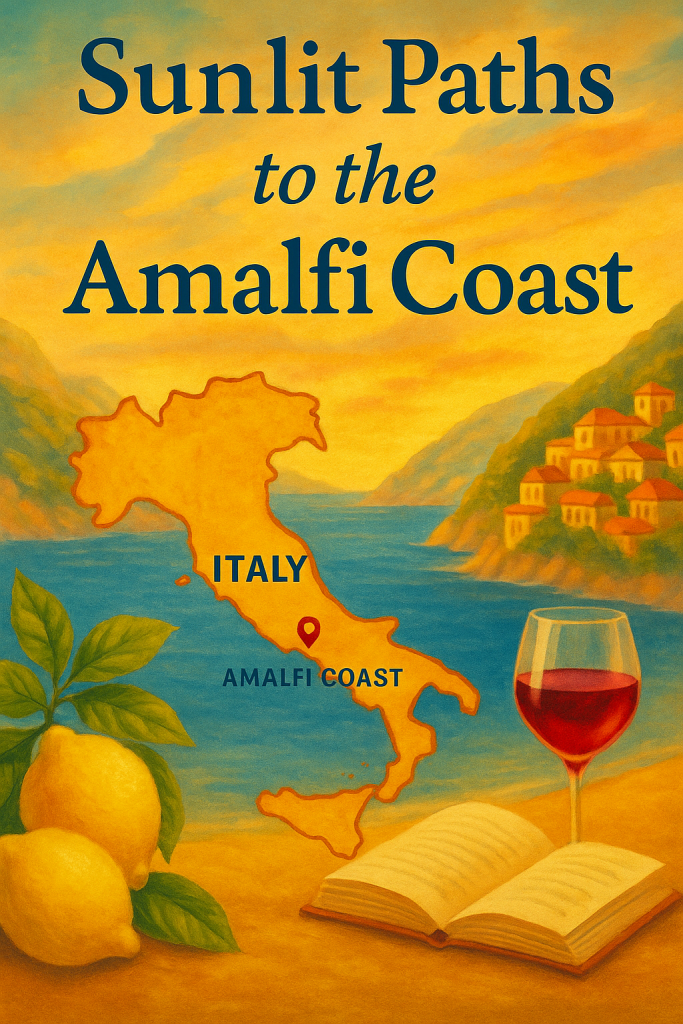
If you want the longer story that grew from years of living with these kitchens and paths, begin with Sunlit Paths to the Amalfi Coast. Soft CTA only: the book is there when you are ready. The coast, meanwhile, keeps fruiting whether or not anyone is watching.
How Travelers Meet the Symbol Without a Lecture
You do not need a museum panel to learn what lemons symbolize in Italy. You need a morning in a garden town. Follow a path between terraces. Notice the wooden poles and the netting. Listen for the sound of water in irrigation channels. Buy fruit from someone who can tell you which trees face the sea.
In shops along the coast you will see ceramics painted with lemons, soaps, and limoncello in every size of bottle. Some of that is tourism doing its job. Some of it is a local economy still braided to a crop. The traveler’s task is discrimination: taste the juice, smell the peel oil on your fingers, ask whether the bottle names a place or only a color.
Food markets help. A vendor who trims a lemon for you with a short knife is practicing the same hospitality the fruit symbolizes—attention, not performance. That is also good training for reading Amalfi Coast romance: prefer scenes where a character notices work, not only fragrance.
Cuisine as coastal literacy
Amalfi Coast cuisine teaches lemon literacy faster than any essay. Order seafood and watch whether lemon arrives as an afterthought or as part of the plate’s architecture. Try a pastry that tastes of zest rather than candy. Sit for limoncello when the evening has already cooled the stone.
Those experiences translate cleanly onto the page. When we write southern Italian meals into fiction, we are not collecting props. We are borrowing a language the coast already speaks—acidity, perfume, generosity, and the knowledge that cliffs require care.
Romance Readers and the Temptation of Soft Yellow
Book covers love lemons. Mood boards love lemons. The risk for romance readers is conflating a color with a character arc. Yellow fruit on a table does not equal healed hearts. What lemons symbolize in Italy, at their best, is the opposite of a shortcut: slow cultivation, protected names, and flavor that remembers the climb.
Use that as a reader’s filter. If a story’s Italy smells only of perfume and never of peel pith, heat, or kitchen haste, the symbolism may be rented. If the fruit arrives with labor attached—someone’s hands, someone’s terrace, someone’s insistence that you eat—the meaning is closer to the coast we know.
That standard also protects place. The Amalfi lemon economy is not an infinite backdrop. It is a living system under pressure from weather, tourism, and succession. Writing and traveling with respect means keeping the fruit attached to the people who grow it.
What to Carry Home
So what do lemons symbolize in Italy—especially on the Amalfi Coast?
They symbolize tended difficulty. Protected names. Hospitality that uses the whole fruit. Coastal identity you can smell before you can photograph. For travelers, that means tasting with attention. For romance readers, it means trusting stories that let cuisine and cliff work do narrative labor.
Walk the terraces if you can. Order the fish with lemon. Sit long enough for limoncello. The meaning is not a caption. It is a practice—and the coast is still practicing it every season.