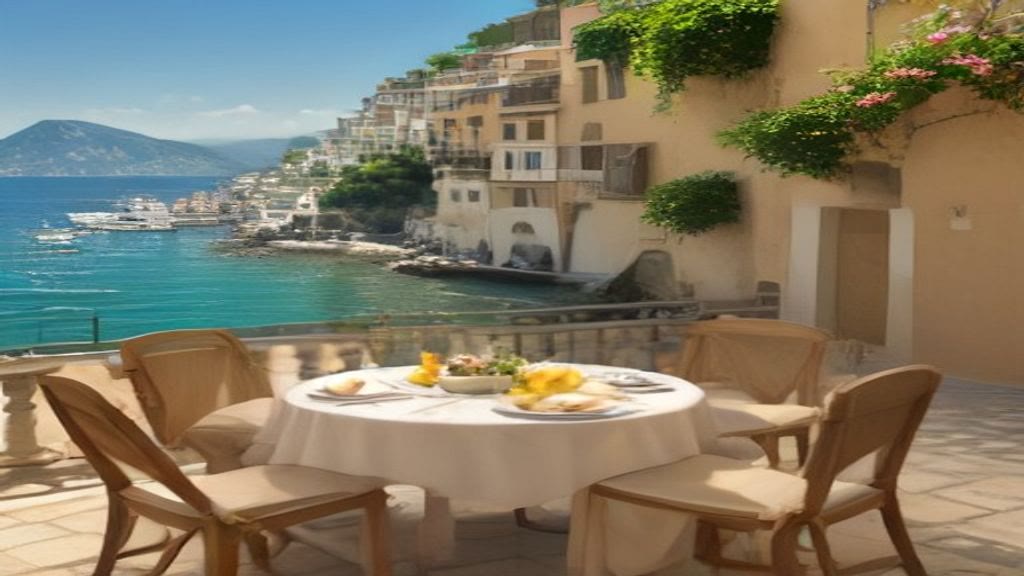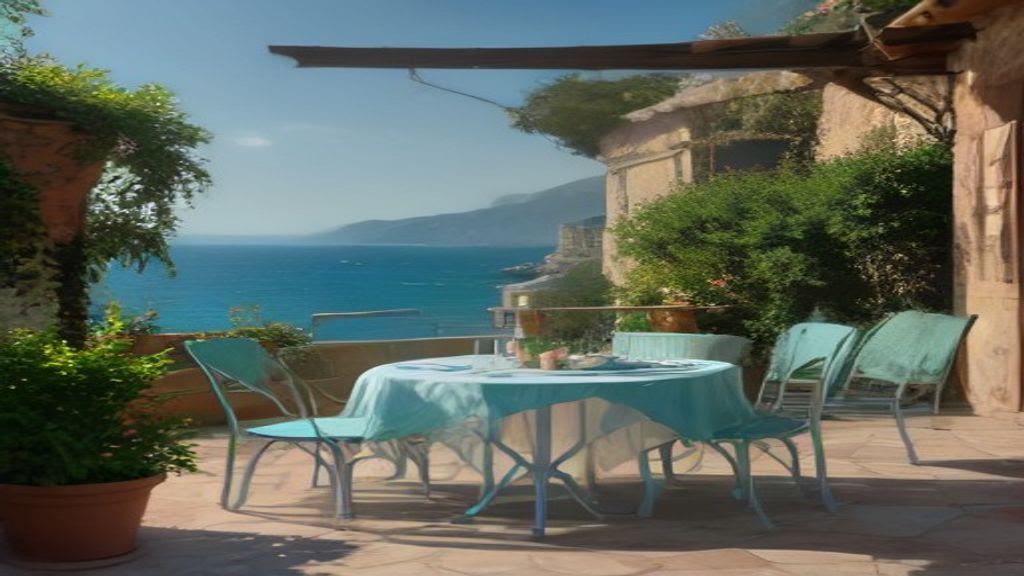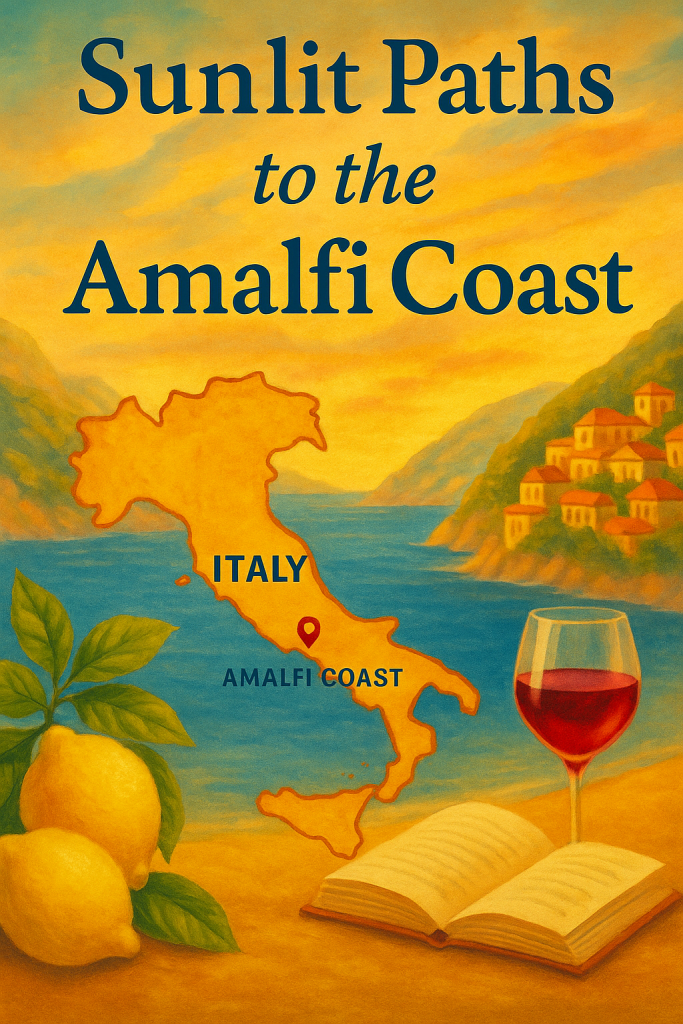
Readers looking for love after loss romance books are rarely shopping for a cure. They want a story that will sit with them. They want a place that can hold grief without sanding it into soft focus, and a second chance that does not insult the love that came first.
Italy—especially the Amalfi Coast and the quieter south—does that work better than most postcard settings. The cliffs are beautiful and also steep. The light is generous and also mercilessly clear. The meals arrive whether or not you feel ready to want them. That combination is why healing romance and second chance romance feel honest here: the landscape does not apologize for what it is.
We write as Marina and Miles Ashford. Roughly eighty percent of Sunlit Paths to the Amalfi Coast grew from years we lived and walked in Italy together. The cover is a painting, not a photograph of us. The author photo in the back of the book is the two of us when we were younger, in those same places. We keep the pen names. We keep the lived detail. We do not pretend grief is a weekend workshop.
What Readers Mean by Love After Loss Romance Books
The phrase covers a family of stories: a widow learning appetite again; two people who once loved each other finding a different door; a traveler who arrives carrying someone who is gone. Call it healing romance, grief and healing romance, or second chance romance—the reader intent is the same. Do not hurry me. Do not erase anyone. Let wanting return at ordinary speed.
Steam is not the engine. Attention is. A quiet table. A walk that allows silence without making silence a test. A town that keeps working while a private winter thaws in public light.
Italian romance novels that take this seriously treat setting as climate, not decoration. The coast does not “fix” anyone. It simply refuses to let sorrow be the only clock in the house.
Why Italy Holds Grief Without Softening It
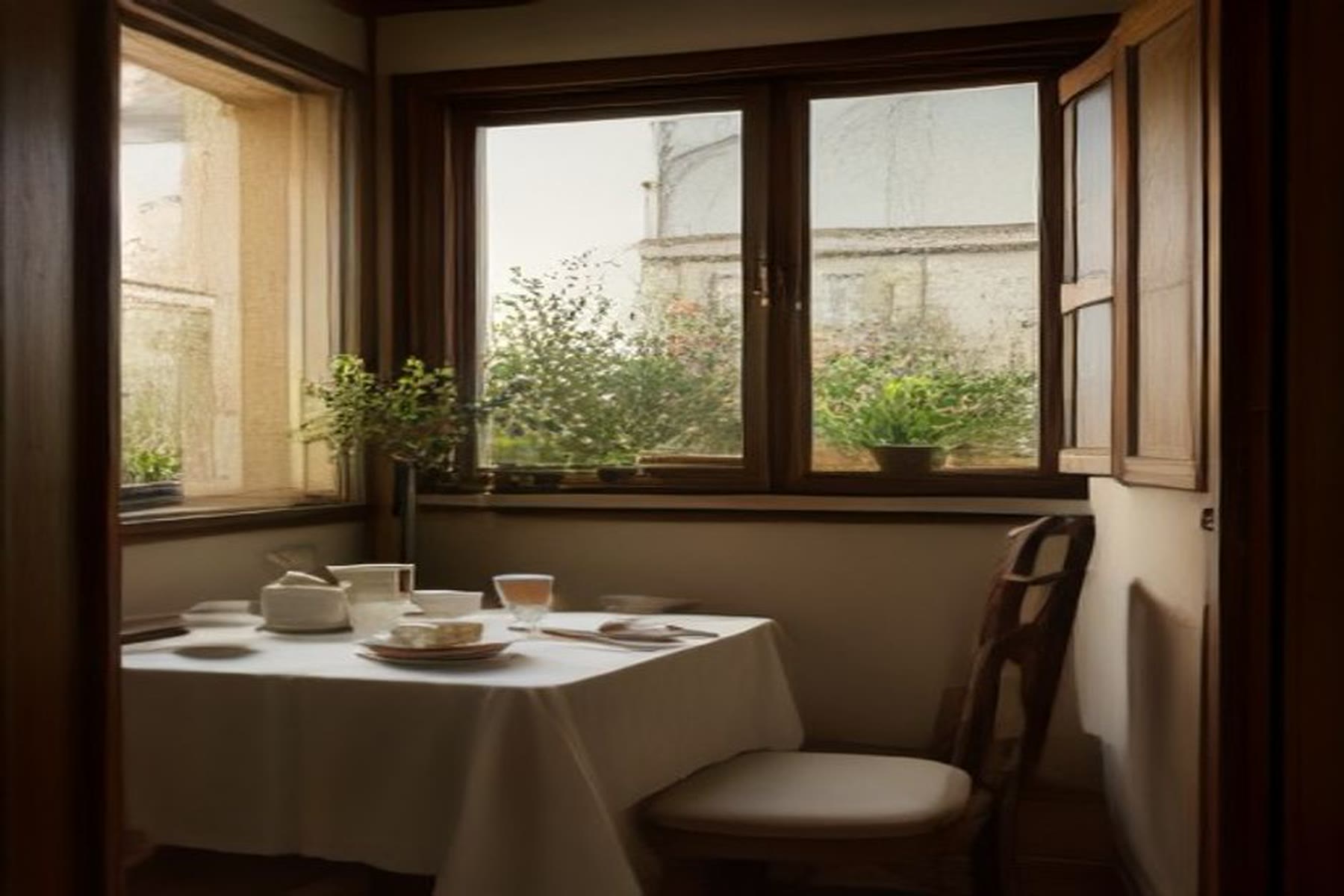
Softening would mean pastel light, empty beaches, and a plot that apologizes every time a character remembers. Italy does something sterner and kinder. Limestone, pale stucco, and sea glare leave little shade in which to hide. You open a shutter because the room has warmed. The water is already working. You are suddenly talking, a little, to the day.
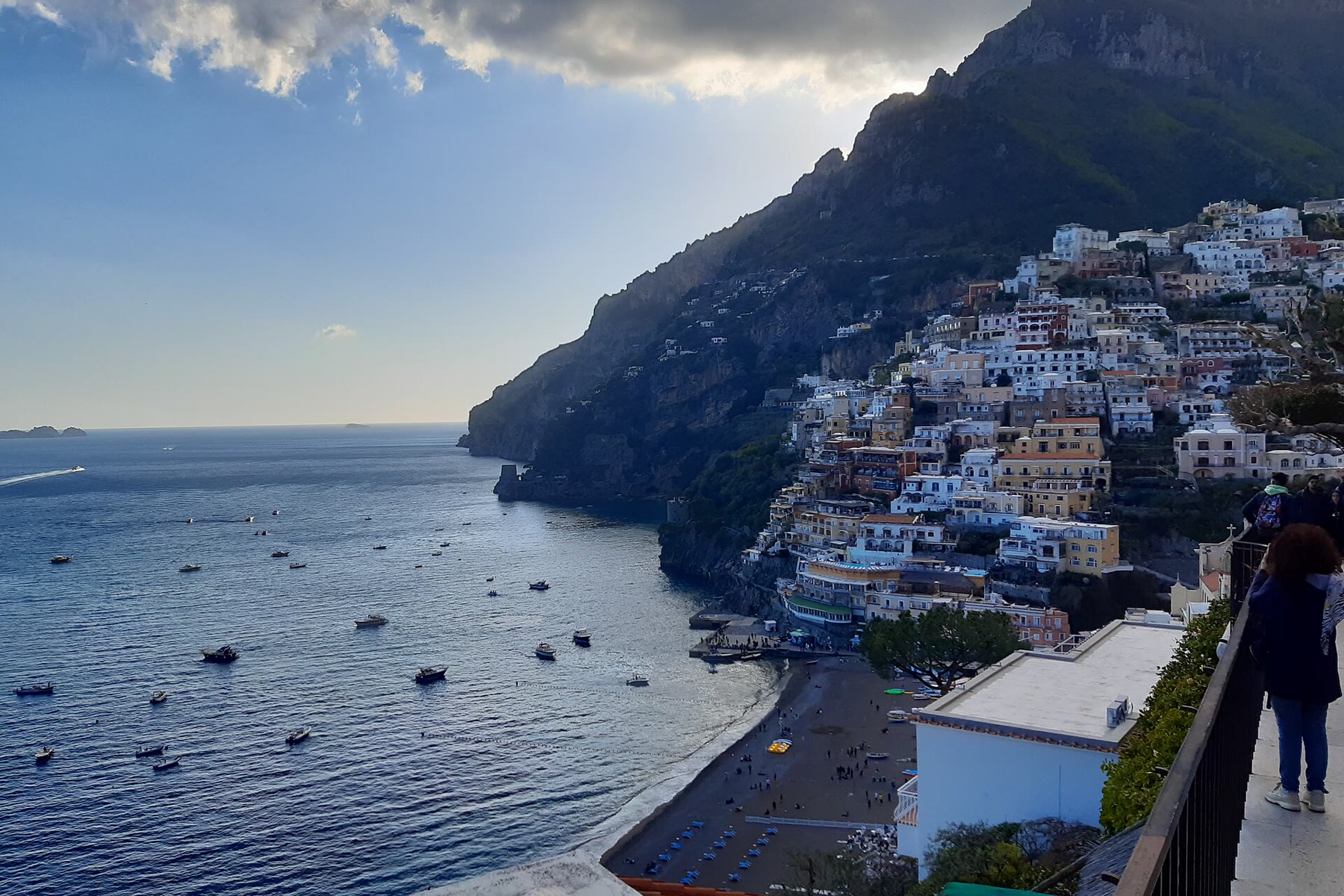
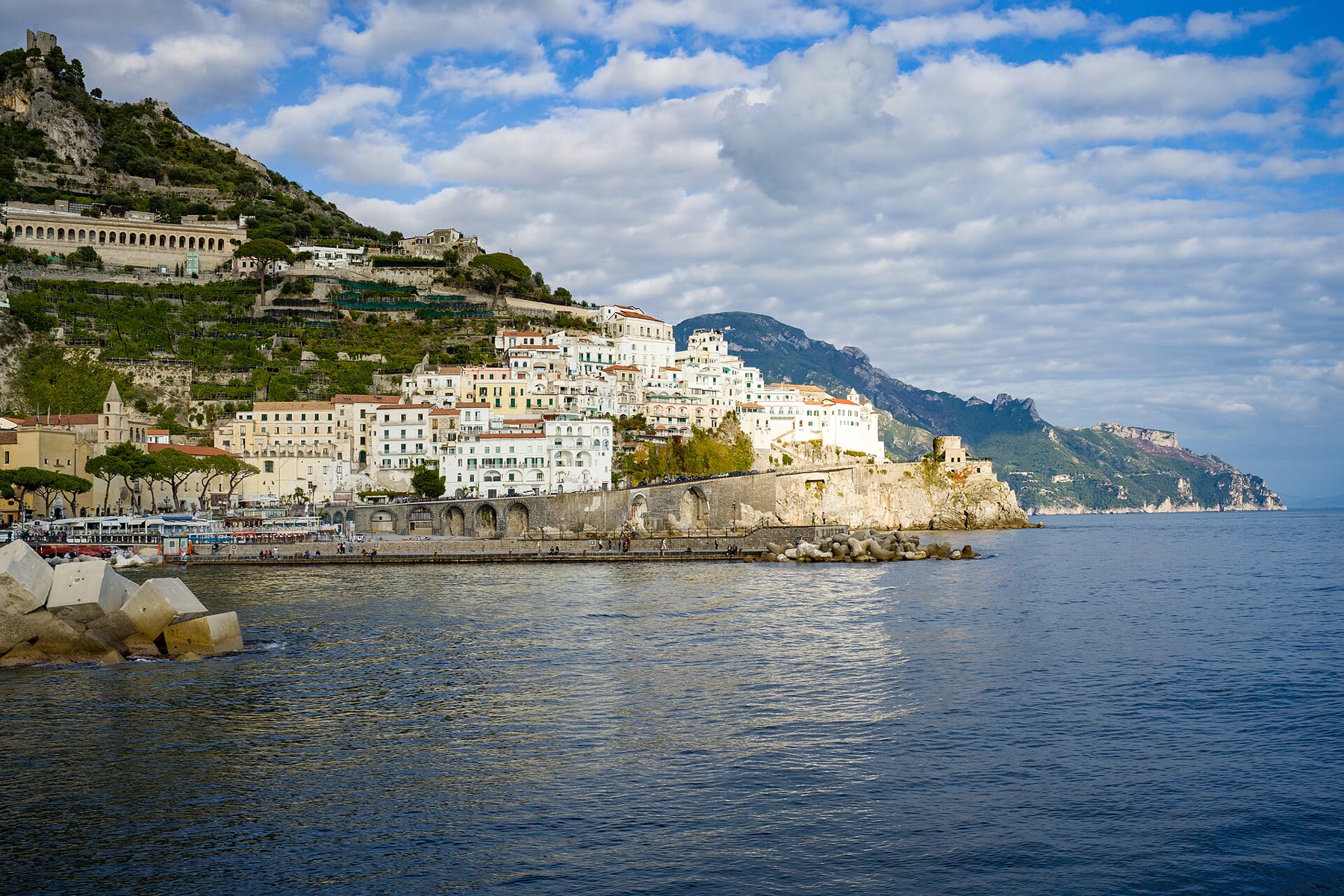
That frankness is a gift for love after loss romance books. Grief is not asked to become productivity. Dinner begins when the light has changed its mind. Between Positano’s stacked houses and Amalfi’s old maritime pride sit quieter towns—Praiano, Atrani, the inland slopes of Tramonti—where a conversation can take the time a staircase requires.
We have written before about how grief and healing romance finds its footing in Mediterranean hours. This essay is the companion question: why Italy holds the weight without diluting it into travel brochure comfort.
Second Chance Romance Needs Proportion, Not a Makeover
A second chance is not a rebrand. It is the moment hope is permitted without requiring amnesia. On this coast, proportion does the moral work. Your private weather is real. It is not the largest thing in the view.
Higher villages receive morning earlier and more quietly than the beach towns. Terraces and long looks out to sea teach scale without a speech. Two people do not need a declaration on a famous overlook. They need a wall to sit on, and enough late gold to see one another’s faces.
If you want the coastal cousin of this idea, we mapped second chance romance as it looks when friendship is the honest door. Love after loss romance books often begin one season earlier—in the weather that makes that door believable.
Friendship first is not a delay
For people who have already buried a love, friendship is not a soft launch toward steam. It is the only ethical beginning. Shared coffee. Matching pace on a mule track. The courage to say, without theater, that you slept better after a walk.
Sofia Moretti and Tom Bennett meet inside that ethic in our novel. We will not retell their ending. We will only say that Italian days—ferries, heat, kitchen hours—do more narrative work than a speech about moving on.
Sensory Detail That Does Not Lie
Amalfi Coast romance earns trust when the senses stay specific. Scialatielli with honest seafood. Spaghetti alle vongole that tastes like salt air. A Costa d’Amalfi white that is mineral rather than showy. Limoncello cold after dinner because the long sfusato lemons of this coast are work before they are perfume.
Sicily belongs in the same family of feeling: hill towns, citrus, heat that insists you rest at midday. Prefer that southern patience over glitter capitals that perform romance as nightlife. Readers of love after loss romance books can smell the difference between lived place and rented backdrop.
What to Look for in Love After Loss Romance Books
A short reader’s checklist, offered without rankings or invented awards:
- Room to remember. The dead are not rivals to be defeated. They are part of the weather.
- Tempo that respects feeling. Stairs, ferries, and late dinners beat montage recovery.
- A table without performance. Food as mercy, not metaphor first.
- Setting as plot. Heat, crowds, and working harbors that refuse fantasy purity.
- Hope without amnesia. Second chance romance that keeps loyalty intact.
Those are also the bones of the best Italian romance novels set along this coast. Beauty is not a sedative. It is a witness.
Italy Travel Hours That Make Room for Feeling
Love after loss romance books succeed when the day has joints: coffee standing at the bar, a pause when heat thickens, a return to the street when late light turns copper. Those hours are not filler between kisses. They are the plot’s nervous system.
A person used to calendars that treat evening as leftover meets a different ethic on the Costiera. Grief does not keep office hours. Neither does a good trattoria. You cannot schedule the moment a plate of clams makes you want to stay in the world. You can only notice it, and then decide whether to say so out loud.
Ferry schedules, hydrofoils, and the long wait for a boat in summer heat do narrative work that montage cannot. Two people share inconvenience. They learn each other’s patience. For healing romance, shared inconvenience is often more intimate than shared scenery.
Stairs as conversation architecture
You do not stroll this landscape so much as climb, descend, and pause. A speech that would have been a monologue in a car becomes, on a staircase, a sequence of small truths with rest on the landings. Above the towns, old mule paths keep the same ethic: you cannot rush a place shaped like a pause.
That is why Italian travel romance, at its best, refuses airport escapism. It takes you somewhere with enough beauty—and enough ordinary life—that you have to bring yourself along. Readers hunting love after loss romance books can feel the difference between a setting that hurries them and a setting that walks beside them.
Lived Detail Without Turning a Novel into Memoir
We are careful here. Pen names exist for a reason. The novel is fiction. It is also, in large part, weather we have actually stood inside: southern kitchens, cliff paths, the particular fatigue of heat, the relief of shade. Using that truth in marketing does not require calling the cover “us,” and it does not require spoiling how Sofia and Tom find their way.
What it does require is refusing fake reviews, invented awards, and borrowed glamour. If a scene smells like lemon peel and diesel from a harbor, it is because those smells share the same air in real towns. Love after loss romance books deserve that honesty. Soft focus is a different genre.
A Soft Path to the Story We Wrote
If this climate is what you come to fiction for, you may already know our book. We point, then step aside.
Sunlit Paths to the Amalfi Coast follows Sofia and Tom as grief loosens—not all at once—through southern Italian days. The novel keeps kitchen notes because taste is how these two people learn to stay. If you prefer to begin with the story itself, the Kindle edition waits quietly on Amazon.
For how years of living in Italy became fiction under pen names, visit our author page. The meals were not research. They were a life. The book came after.
Holding Without Softening
Love after loss romance books do not need Italy to be gentle. They need Italy to be true: clear light, unhurried meals, cliffs that keep their height, and towns that go on working while two people learn appetite again.
That is why healing romance finds a climate here. The coast holds the grief. It does not sand it down. And when wanting returns—at a shutter, a shared plate, a walk taken slowly enough that someone can match your pace—it feels earned, because nothing was softened first.