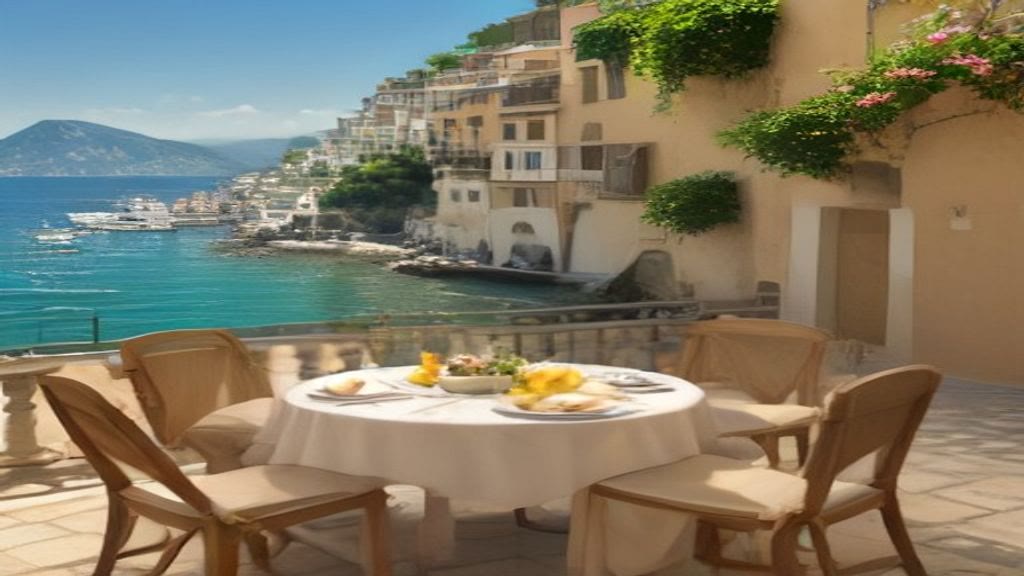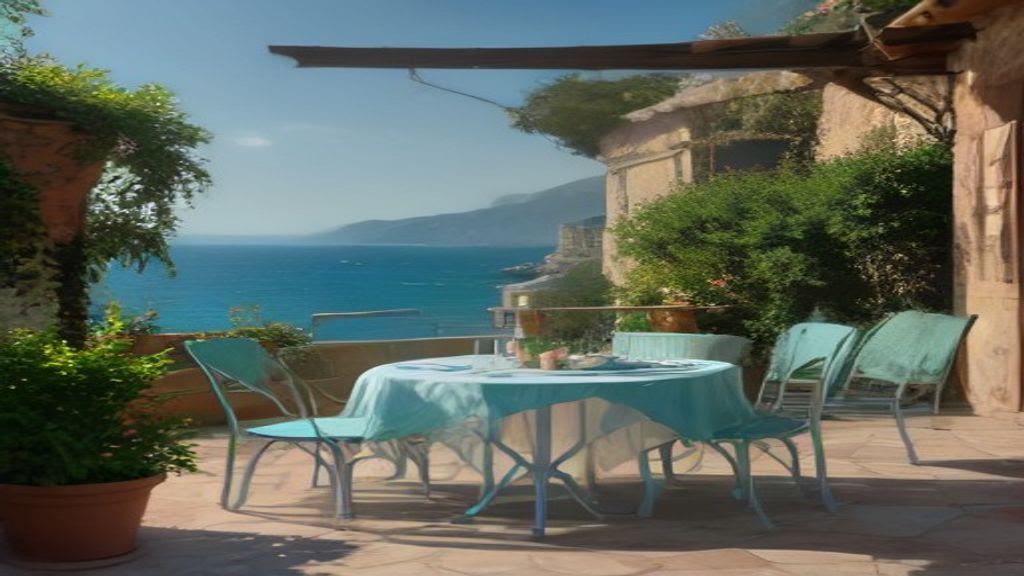
Grief and healing romance is not a plot trick. It is a climate. The question a reader asks, often without knowing it, is whether a place will hurry two people through their loss or sit with them until wanting becomes possible again.
Italy, especially the south, has a talent for the second. The light is frank, the meals unhurried, the landscape already practiced at holding a great deal. That is why grief and healing romance finds its footing here more honestly than in cities built for speed.
This is not because Italy is a cure. It is because Italy still believes in the ordinary hour: a shutter opened, a glass filled, a walk taken because evening is what you do with an evening.
What Grief and Healing Romance Needs From a Place
The phrase can sound tidy, as if sorrow were a season you exit on schedule. Anyone who has lost a partner knows it is not. Healing is not a makeover. It is the slow return of appetite, sleep, and the courage to be seen.
A grief and healing romance asks a setting for three things. Room to remember without being trapped. A tempo that does not treat feeling as inefficiency. And a table where two people can sit without performing happiness.
Italy offers those things without a speech. You can miss someone and still want bread. You can be loyal to the past and still notice that the sea is working. That contradiction is the weather of the best Italian travel romance: not escape, but accompaniment.
Healing is not forgetting
In a hurried city, grief is often asked to become productivity. On this coast, nobody is impressed by how quickly you recover. The day already has a shape: coffee at the bar, a pause when the heat thickens, a walk when the light goes copper.
Those hours do not erase anyone. They simply refuse to let sorrow be the only clock in the house. For a character who has been living inside a private winter, that refusal can feel like the first kindness in a long time.
Light That Makes Room Without Erasing Anything
Mediterranean light is not gentle in the sentimental sense. It is clear. On limestone and pale stucco it leaves little shadow in which to hide. Live inside it, and you notice the other half of the gift: you also cannot stay entirely indoors.
Morning arrives as a duty and a mercy. You open the shutter because the room has grown warm. The sea is already there, working. A person who has been talking only to memory is suddenly talking, a little, to the day.
Higher up, Ravello receives that light earlier and more quietly than the beach towns. Villa Rufolo’s terraces and the long look from Villa Cimbrone are not backdrops. They are lessons in proportion. Your private weather is real. It is not the largest thing in the frame.
Late gold, and the courage to stay outside
By late afternoon the coast turns the color of warmed stone. People return to the streets because the air has become humane again. Two people do not need a declaration. They need a wall to sit on, and enough light to see one another’s faces.
The light does not argue with sorrow. It simply continues. Continuance, here, is not a betrayal of the person who is gone. It is the coast doing what it has always done.
Italian Hours and the Refusal to Hurry Grief
Tempo is the secret architecture of Italian travel romance. Breakfast can be a cornetto and an espresso taken standing up, finished in three minutes and still unhurried. Dinner begins when the light has already changed its mind.
A person used to Washington hours, or any calendar that treats evening as leftover, meets a different ethic. Grief does not keep office hours. Italy, at its best, does not either.
Between Positano’s stacked houses and Amalfi’s old maritime pride sit quieter towns. Praiano keeps a more private relationship with the water. Atrani tucks itself into a cleft so small it feels like a held breath. Inland, Tramonti still thinks in vineyards.
Stairs, mule tracks, and the walk that thinks
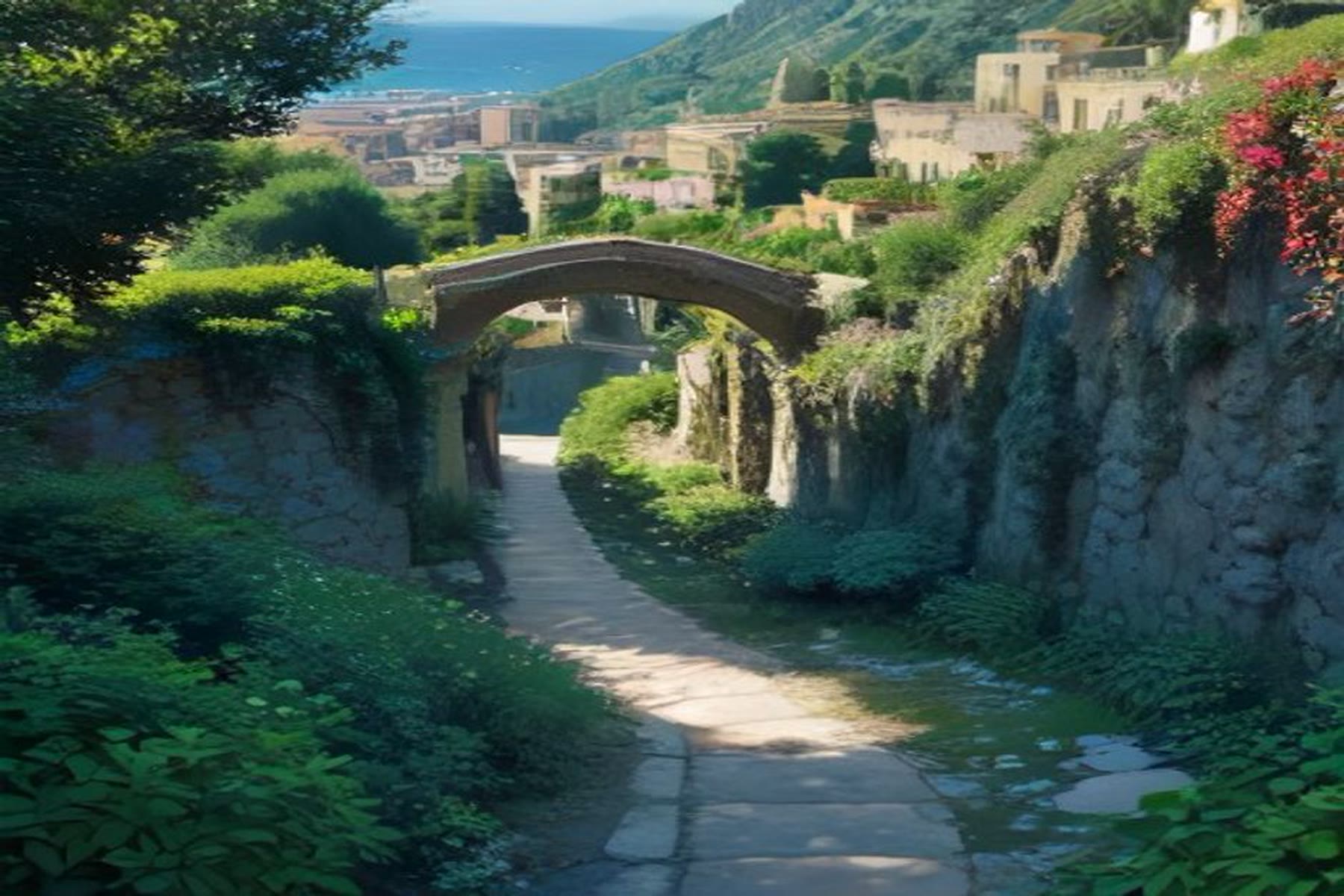
You do not stroll this landscape so much as climb, descend, and pause. A conversation that would have been a speech in a car becomes, on a staircase, a sequence of small truths with rest on the landings.
Above the towns, the Sentiero degli Dei runs from the Agerola plateau down toward Nocelle. It is an old mule path before it is a viewpoint. Walking lets two people be silent without the silence becoming a test. Furore’s narrow fjord, where the mountain admits the sea, has the same ethic. You cannot rush a place shaped like a pause.
A Landscape That Has Already Learned to Hold On
The Costiera Amalfitana is not a stage set wheeled in for lovers. UNESCO describes it as a cultural landscape: nature and long human patience sharing the same cliff. Terraced vineyards and orchards cling to slopes that would seem impossible if they were not already old.
Dry-stone walls hold the soil. Lemon groves, especially the long oval sfusato amalfitano, are work before they are perfume. A place tended for centuries is a good setting for people learning, again, how to tend a life. The walls hold. The trees fruit. The sea keeps arriving.
When Appetite Returns at a Quiet Table
Food is where grief and healing romance becomes believable. Not the theatrical platter. The quiet plate. The first morning a character wants breakfast because the room smells like coffee, not because anyone has given a speech about moving on.
On this coast the kitchen is specific. Scialatielli, the short handmade ribbons of the Amalfi tradition, take to seafood the way harbors take to evening. Spaghetti alle vongole, if the clams are honest, tastes like salt air. A simple insalata di mare, lemon and oil, can feel like mercy in the heat.
The wines are often local and quietly mineral: a Costa d’Amalfi white, Falanghina, something from the Tramonti slopes. Limoncello, made from those long coastal lemons, belongs after dinner, cold and definite.
None of this is metaphor first. It is lunch. And then it becomes the moment a grieving person realizes they are still capable of pleasure. That realization is more intimate than a kiss, and more frightening.
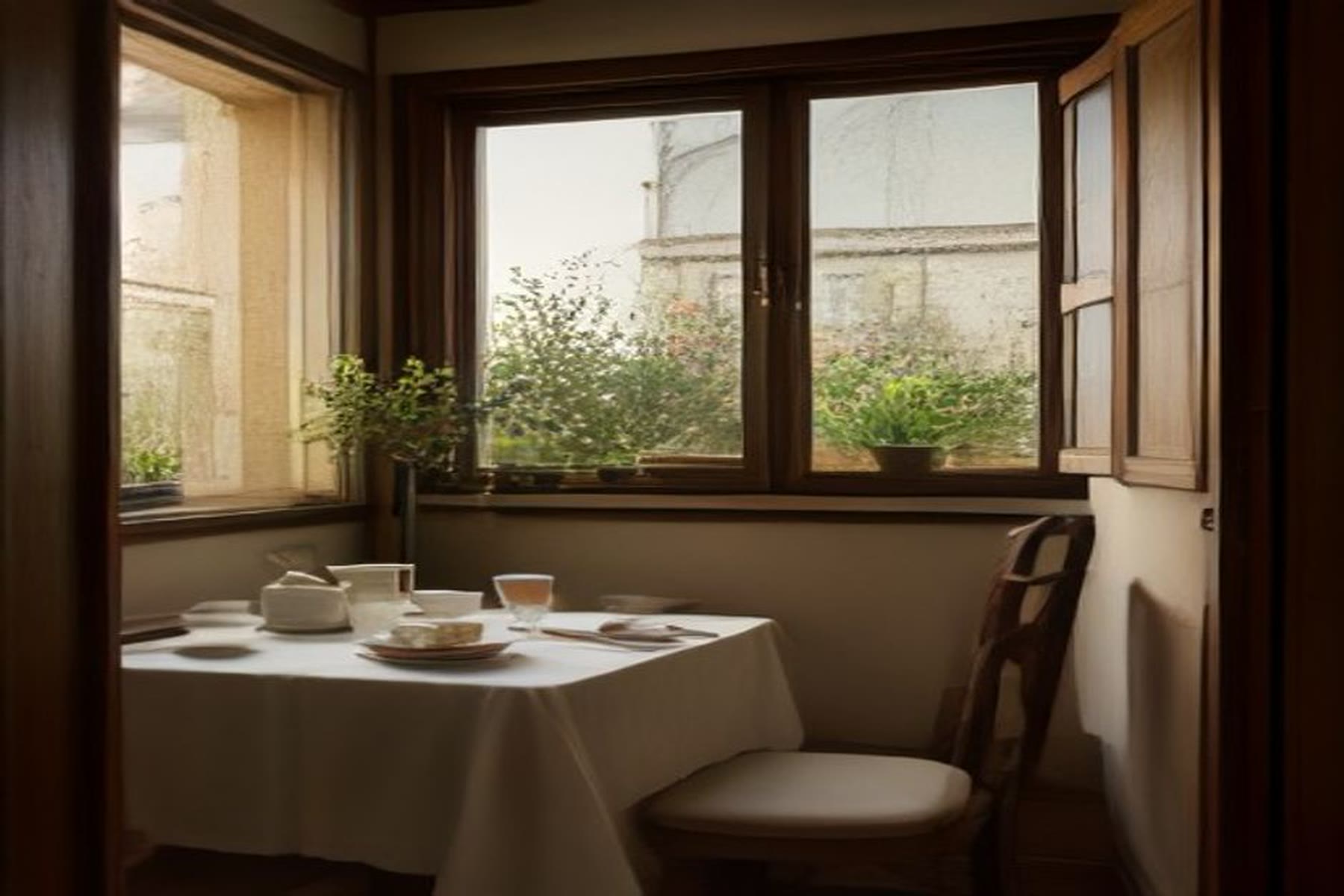
What a trattoria notices
Sofia Moretti would understand this without a theory. A trattoria is a school of attention. Hands that have fed a room all evening know the difference between hunger and loneliness.
Tom Bennett arrives with the particular competence of a man who has organized grief into calendars. Italy is inconvenient for that habit. You cannot schedule the moment a plate of clams makes you want to stay in the world. You can only notice it, and then decide whether to say so.
We will not retell their story here. They meet inside real Italian days. Friendship, for people who have already buried a love, is not a delay. It is the only honest door.
Why Italian Travel Romance Holds Healing Differently
Travel romance can be a fantasy of leaving yourself at the airport. Italian travel romance, at its best, does the opposite. It takes you somewhere with enough beauty, and enough ordinary life, that you have to bring yourself along.
That is why grief and healing romance and Italian travel romance belong together. The stairs are steep, the summer crowds real. What the setting offers is a climate in which hiding becomes less necessary.
We wrote separately about what second-chance romance looks like on this same coast. The two feelings are cousins, not twins. A second chance is the moment hope is permitted. Grief and healing romance is the longer weather that makes that permission believable.
If you want the longer story of how years of living here became fiction, it is on our author page. The meals were not research. They were a life, and the novel came after.
A Soft Path Toward the Book We Wrote
If this is the climate you come to fiction for, you may already know the book. We will only point, then step aside.
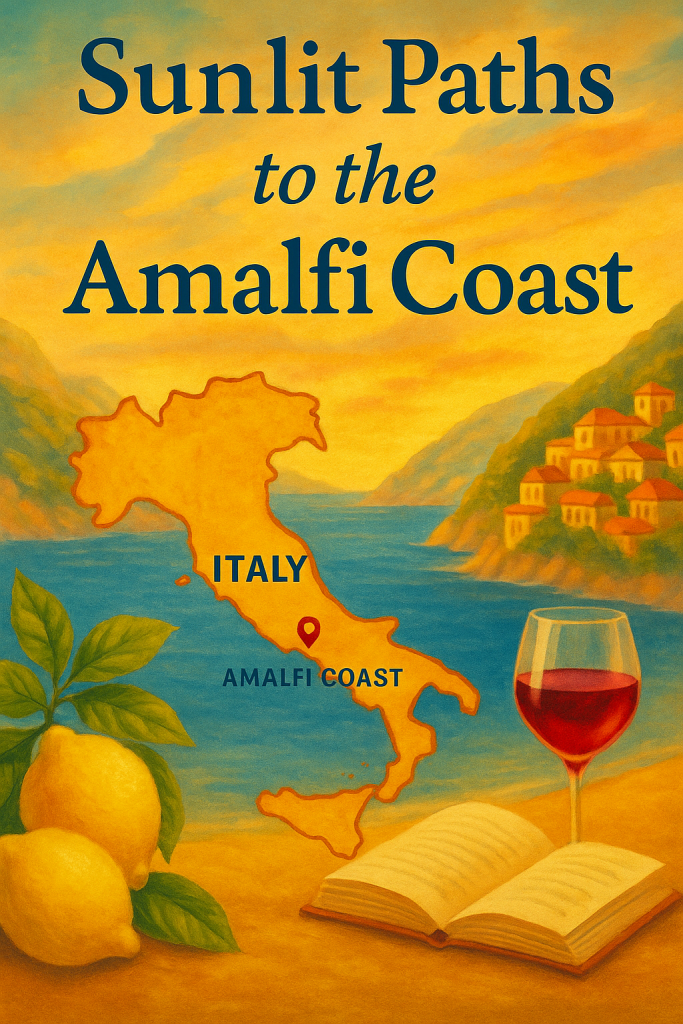
Sunlit Paths to the Amalfi Coast follows Sofia and Tom as grief loosens its grip, not all at once, and not only on the famous coast. Their path includes Sicilian hill towns, Sardinian water, and the southern habit of taking friendship seriously.
The novel keeps kitchen notes and a wine list at the back because taste is part of how these two people learn to stay. If you would rather begin with the story itself, the Kindle edition is waiting quietly on Amazon.
Finding Your Footing
Grief and healing romance does not need a postcard with two figures added later. It needs a place that already knows how to keep going: lemon terraces, late light, a table that does not demand a performance.
Italy gives that need a climate. The footing is not dramatic. It is a morning shutter, a shared plate, a walk taken slowly enough that someone can match your pace.
If you have ever been surprised by your own appetite after loss, you already understand the trope. We hope you find your way to the coast, on the page or in person, and sit down long enough to notice that the day is still beautiful.