Foodie romance novels are not destination menus with kissing in the margins. They are love stories where the table still has hours, labor, and civic interruption—markets that close, fish that must be chosen, pasta that asks for timing—while two adults negotiate attention. Italy is often the kitchen readers mean when they type the phrase; soft blurbs skip the work. This essay owns foodie romance novels as a reader trope, shows how Amalfi Coast cuisine and Italian love stories can hold that contract, and how to read a sample without ranking a shelf.
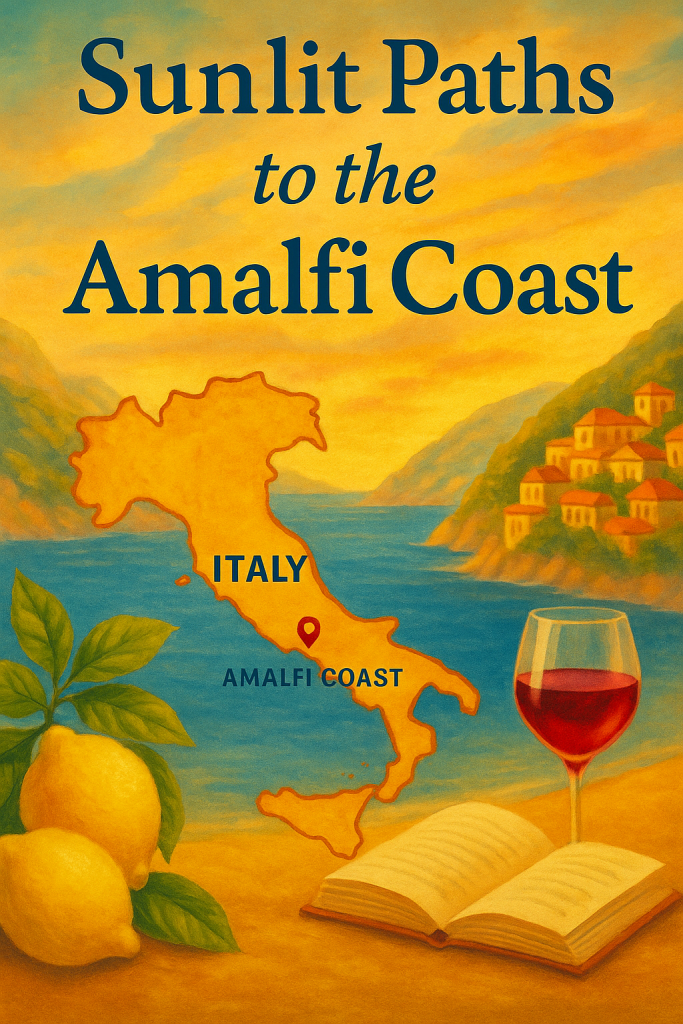
We write as Marina and Miles Ashford. Our novel, Sunlit Paths to the Amalfi Coast: A Love Story Lived, then Written, is adult second-chance / grief-and-healing travel romance. Roughly eighty percent of it grew from years we lived and walked in Italy together. The cover is a painting, not a photograph of us. Sofia Moretti and Tom Bennett are characters; the book is fiction, not a memoir. Marina Miles Books is the imprint. Adult heat exists later in the novel’s arc; daily essays here stay on place, attention, and dignity.
We have already written Amalfi Coast cuisine for romance readers as place-and-food grammar. That door stays open as a destination essay. This page answers a different hunger: the book-trope phrase foodie romance novels—what readers want when the table does the work Italy blurbs skip.
What “Foodie Romance Novels” Ask That Menus Do Not
Search results for foodie romance novels mix honest kitchen-pressure doors with soft “she cooks, he falls” wallpaper. The phrase readers type is often colder than the blurbs that answer it. Foodie here does not mean restaurant tourism alone. It means appetite as character, labor as plot, and meals as civic events that can interrupt a confession because the sauce cannot wait.
Italian love stories sit inside that lane when place keeps working. Amalfi Coast cuisine is not interchangeable Mediterranean garnish. Lemons have seasons and weight. Seafood has morning decisions. Bread and oil arrive on town hours. Soft destination fluff wants endless long tables with empty streets. Civic Italy closes the shop while two people are still arguing about whether to stay.
Romance books set in Italy and travel romance books overlap this hunger without being identical doors. Geography-first shelves ask whether the map costs something. Foodie romance novels ask whether the table still has a job while desire arrives. Soft blurbs collapse both into “Italian feast.” Readers who type foodie romance novels are often hunting labor and timing, not only lemon wallpaper.
Italy as Table With Hours, Not Feast Wallpaper
Feast-wallpaper Italy is a product. It sells endless antipasti, grief that softens because the wine was gold, kitchens that never run out of time. It can be enjoyable fiction. It is a poor match for foodie romance novels that keep dignity with adult logistics. Table-with-hours Italy is different. Someone has to shop. Someone has to wash. Heat thickens a kitchen until conversation changes rooms. A closed market forces lunch to become a decision about patience or pride.
When you open a sample labeled among foodie romance novels, ask which Italy you are standing in. Does food ask anything of bodies and calendars, or does it only decorate healing? Do two adults negotiate attention while something burns, or does the town empty so they can monologue over perfect plating? Is Amalfi Coast cuisine regional and timed, or generic “Italian night”?
We refuse a ranked list of other people’s novels here. Lists flatten doors into one aisle. The useful work is naming what readers hunt when they type foodie romance novels, and how to hear whether a free sample answers with labor or with feast language. If you want soft feast reset, buy that door cleanly. If you want Italian love stories with civic teeth, watch whether the kitchen still has a clock.
How to Read a Sample Without Ranking the Shelf
Open the free sample. Ignore the cover toast for thirty seconds. Watch the first inconvenience at the table.
Does someone’s body tire from shopping stairs, or does every meal dissolve into charm? Does a market closing, a fishmonger’s opinion, or a grandmother’s timing interrupt the romance, or does the plot float above logistics? Is food regional labor, or interchangeable wallpaper? Are two adults negotiating attention with histories that will not fit in a weekend bag—or is one person a tour for the other’s soft reset?
Those questions are the quiet test for foodie romance novels. Midlife second chance needs forced choices more than plated montages. Grief-and-healing romance needs a map—and a stove—that will not rearrange itself. Travel romance books set against Italian tables need public life that keeps working while sorrow or desire shares the room. If Italy could be swapped for a generic Mediterranean resort kitchen without rewriting a scene, the geography failed even if the blurb shouted Amalfi.
Also watch soft lies that pile into autocomplete: endless empty trattorie, grief cured by limoncello, towns with no diesel or fish smell, villas with private chefs and no neighbors. Italy can hold private weather. It does not owe anyone a private country. Readers hunting foodie romance novels with dignity are often asking—without those exact words—for a story that respects what the table still asks.
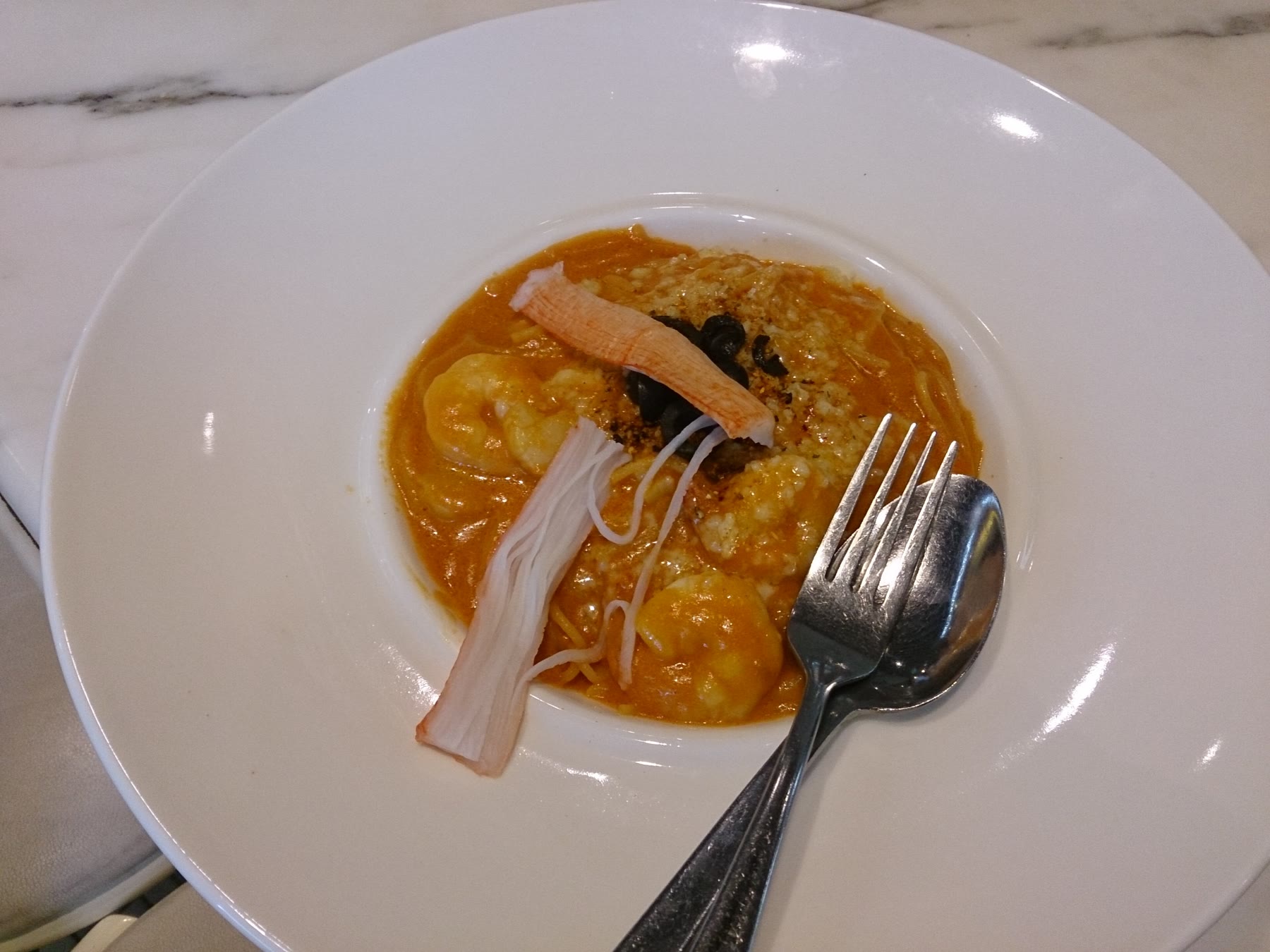
Foodie romance novels also inherit a quiet ethics problem soft blurbs skip: whose labor feeds the scene. A nonna who cooks without agency is wallpaper. A market vendor who exists only to wink is wallpaper. Adult Italian love stories that keep dignity usually let kitchen work belong to people with opinions—and let those opinions interrupt the couple. Amalfi Coast cuisine in particular still has fishing mornings and lemon harvests that refuse to rearrange for private breakthroughs.
That is why this essay is not a rewrite of our cuisine destination post. Destination food writing can list dishes and towns. The trope phrase foodie romance novels asks whether romance books set in Italy—and travel romance books that lean on tables—still make the meal cost something after the blurb’s feast language fades. If the only hunger on the page is sexual metaphor, the kitchen failed even if every plate was described in gold light.
Cookbook Doors, Cuisine Posts, and Soft Blurbs
Soft blurbs hide the hard parts of foodie romance novels because hard parts do not fit a thumbnail. They hide dishwashing. They hide dietary fear after illness or grief. They hide the awkwardness of cooking for someone who once shared a different table. They hide the way friends have opinions about who chops and who pours.
A practical neighbor for readers who want southern Italian kitchen grammar without pretending this essay is a restaurant guide is The Sicily Cookbook (ASIN B083XNQP2G)—recipes and regional labor notes, not a ranked romance shelf. As an Amazon Associate, Marina Miles Books earns from qualifying purchases. That link is a kitchen door, not a #1 badge. For place-and-food grammar on our coast specifically, return to our Amalfi Coast cuisine essay; this page stays on the trope phrase foodie romance novels.
Related searches—Amalfi Coast cuisine, Italian love stories, romance books set in Italy, travel romance books—overlap this hunger. They are not identical doors. Foodie romance novels stays the table-and-labor-first of them. Soft blurbs hide that distinction because “Italian feast” sells faster than “the market closed.”
Where Our Book and Shelf Sit—Softly
We point once, then step aside. Sunlit Paths to the Amalfi Coast is one adult second-chance / grief-and-healing travel romance among Italian love stories that keep civic days—and tables with hours—in the frame. Sofia and Tom learn each other while southern Italy keeps working. Heat begins in Sardinia in the novel’s arc; this post is not a scene list or a steam pitch. If you prefer to begin with the story itself, the Kindle edition waits on Amazon. The Marina Miles author page holds the imprint voice. For adjacent reading without a ranked list, our If you liked Sunlit Paths shelf gathers comps and trip-tied books with the same Associates honesty.
Keep the foodie filter honest. Skip the feast wallpaper. Read the sample for table labor, market hours, and Amalfi Coast cuisine that still costs something. That is what readers mean—often—when they type foodie romance novels and hope the kitchen still has a job.