When readers type Italian romance books, they are not always asking for the same shelf as “Italian romance novels,” “Italian love stories,” or “travel romance.” They are using a bookstore-and-search phrase that sounds specific and still leaves the extractable criteria unsaid. Autocomplete will mix destination fluff, villa renovation mood, guidebook-glued plots, and civic second-chance stories as if those hungers shared a spine. They do not. This essay names what the shelf phrase leaves out—without a ranked list of other people’s books, and without rewriting the choosing filters we have already published.
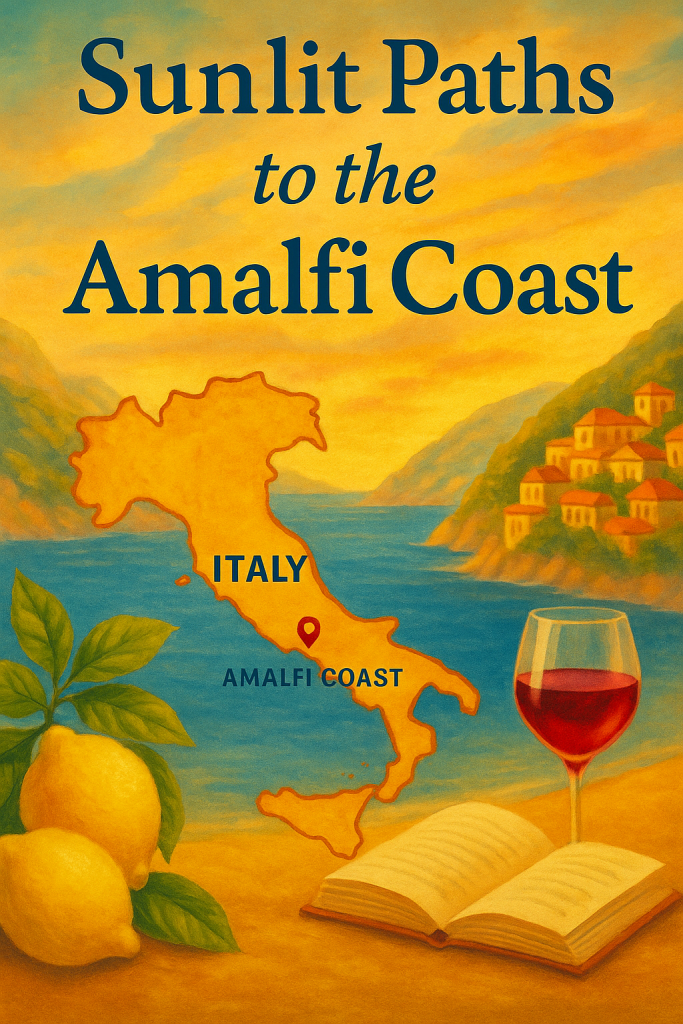
We write as Marina and Miles Ashford. Our novel, Sunlit Paths to the Amalfi Coast: A Love Story Lived, then Written, is adult second-chance / grief-and-healing travel romance. Roughly eighty percent of it grew from years we lived and walked in Italy together. The cover is a painting, not a photograph of us. Sofia Moretti and Tom Bennett are characters; the book is fiction, not a memoir. Marina Miles Books is the imprint. Adult heat exists later in the novel’s arc; daily essays here stay on place, attention, and dignity.
We have already written a filter for choosing among Italian romance novels, and an essay on what Italian love stories collect as a mood word. Those pages stay. This one answers a different job: what “Italian romance books” as shelf language leaves out, and which people-first criteria still matter when the phrase itself is too soft to protect a door.
Italian Romance Books vs Novels, Stories, Travel Romance
Search language is not taxonomy. “Italian romance books” is the softest of the near-synonyms. It sounds like a bookstore sticker: category plus country. “Italian romance novels” leans slightly more toward fiction craft and shelf filters. “Italian love stories” gathers mood—grief, food, second chances, ordinary hours—without always demanding plot machinery. “Travel romance” asks the map to cost something. Readers type across those phrases in the same afternoon. Autocomplete treats them as cousins. The doors underneath are not identical.
Italian romance books, as a phrase, often arrives when a reader wants Italy and romance and is not ready to name the contract. That is honest. It is also why the phrase leaves so much out. It does not say whether place is pressure or wallpaper. It does not say whether food is regional grammar or Mediterranean garnish. It does not say whether grief is allowed to stay in the room. It does not say whether the town keeps working while two people speak.
We refuse a “best Italian romance books” leaderboard here. Ranking other authors’ work is not our job. Naming extractable criteria is.
Place-as-Pressure, Not Place-as-Postcard
The first criterion the shelf phrase leaves out is place-as-pressure. Italy on a cover is not proof the map costs anything. Destination romance arrives as balcony, sunset, cocktail with a regional name. The town empties for the couple. Markets exist as color, not as labor. Heat never ends a plan. Stairs never punish impatience.
Place-as-pressure means climate and inconvenience change behavior. Southern light is not northern light. A regional train arrives late and the argument continues in the aisle. Black volcanic stone in a Sicilian street is not interchangeable with Amalfi limestone. Readers hunting Italian romance books with teeth are usually asking for that cost, even when they only typed the soft sticker.
We have written about romance set in Sicily and about walking place on the Walk the Sunlit Paths page when geography matters. Those are place doors. Italian romance books as a search phrase still has to earn them. If you remove the place names and the scene no longer smells like a country that keeps its own hours, the romance was never Italian except on the cover.
Food Grammar and Lemon Labor
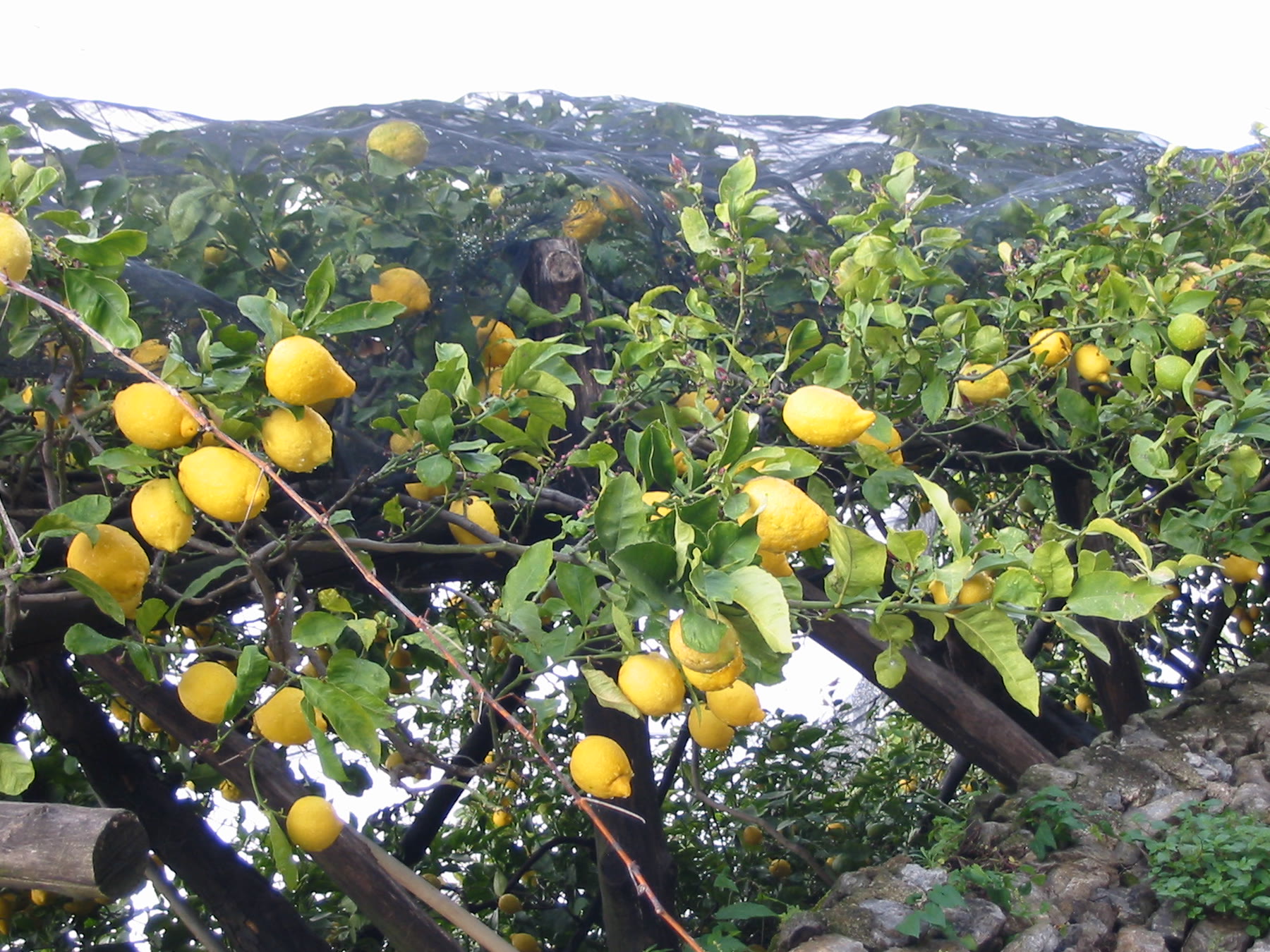
The second criterion left out is food grammar. Italian romance books, in soft marketing, often mean lemon, pasta, and wine as interchangeable Mediterranean wallpaper. Lived Italy does not work that way. Pasta has a local argument—pasta al limone without cream on the Costiera is not a cream-sauce postcard; Sicilian tables keep their own grammar. Lemon is labor: ladders, terraces, heat, hands. A picnic with a regional name is not the same as a kitchen that still smells like the morning’s market.
Food grammar is not a recipe dump. It is whether the meal belongs to a place that would recognize it. Readers who type Italian romance books and hope for “Italy” are often hoping for that recognition without knowing how to ask. Soft lies include endless prosecco, lemons that never required a ladder, and tables that could be anywhere with a different wine label.
Second-Chance and Grief Dignity
The third criterion is second-chance / grief dignity. Italian romance books as a sticker does not protect it. Some readers want a soft reset because the view was pretty. Some want healing that shares a table with public life without becoming vacation therapy. Adjacent search; different job.
Grief allowed means what hurt can stay in the room without a spa montage. Second chance means two adults renegotiate attention under pressure—not that Italy cured them by being scenic. We have written about healing romance books and about love after loss as related hungers. Italian romance books will keep collecting those hungers under one soft phrase. Naming dignity keeps the hallway honest.
Adult heat exists later in our novel’s arc. This essay is not a steam pitch. Dignity is the criterion the shelf phrase leaves out most often when marketing prefers soft light over honest weather.
Civic Ordinary Hour
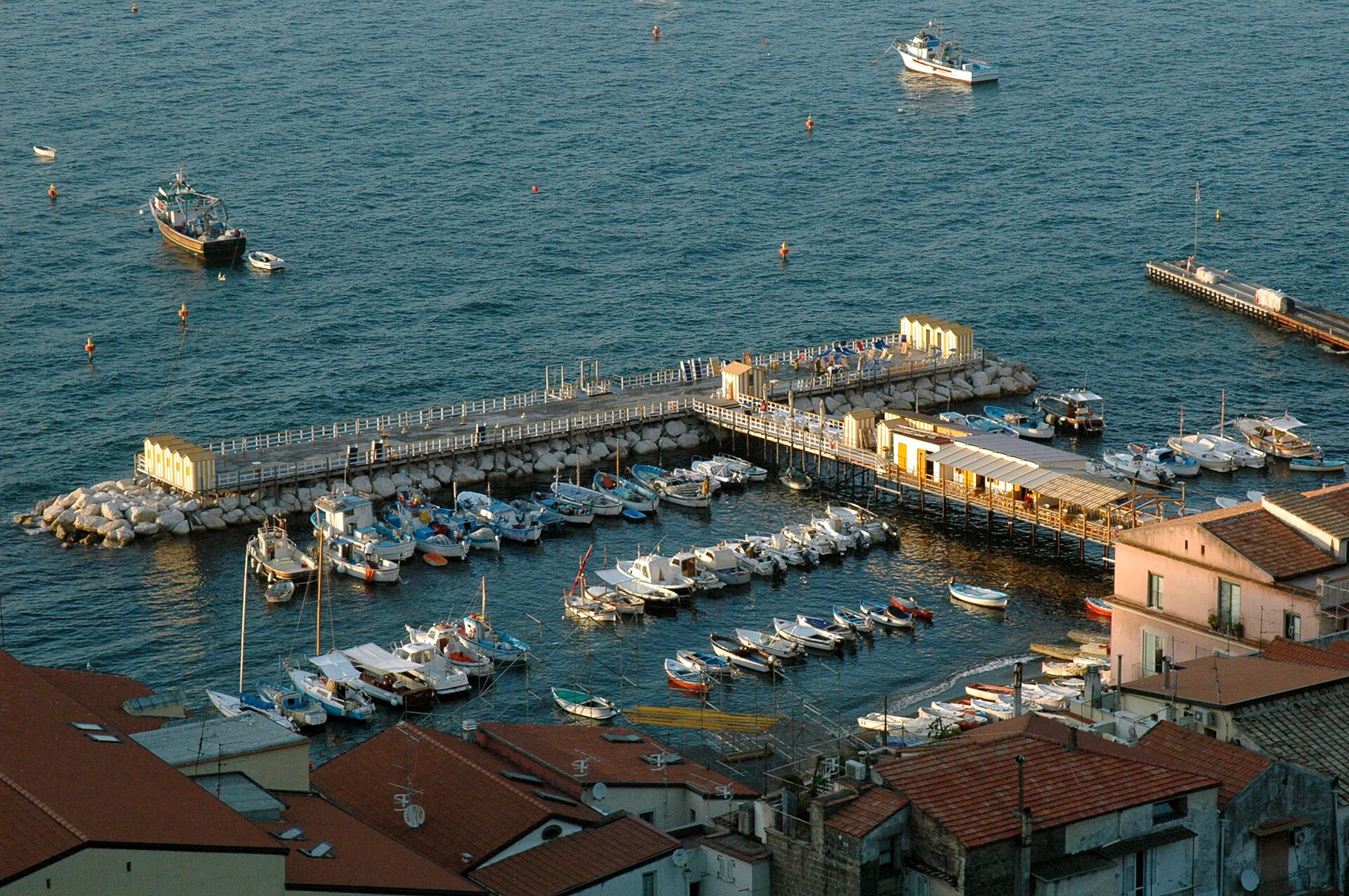
The fourth criterion is civic ordinary hour. The street keeps working while two people learn each other. Scooters. Shutters. Market hours. A quay that still smells like diesel and fish. A square that will not empty for a private picnic. Italian romance books that feel true keep that hour. Destination fluff deletes it.
Civic ordinary hour is why Italy—especially southern civic towns we know from lived years—is not interchangeable with a hotel balcony anywhere in Europe. Related search language about travel romance books already named place-as-pressure; this page names why the shelf sticker “Italian romance books” still needs that civic test.
Open a free sample. Ask: does the town still work while the couple speaks? Do trains, stairs, heat, or language force a choice? Is food regional or wallpaper? Is grief allowed? Are two adults sharing attention, or is one a tour for the other’s soft reset? Those questions extract what the phrase leaves out.
A Quiet Test Before You Buy
Italian romance books as a search phrase will keep serving soft light. That is not a reason to abandon the phrase. It is a reason to carry a quiet test into the sample page. Watch whether the town has a job that is not the couple’s. Watch whether food belongs to a place that would recognize it. Watch whether grief is allowed to stay without becoming scenery. Watch whether two adults share attention under inconvenience, or whether one person is a tour for the other’s soft reset.
If you want destination fluff, buy destination fluff cleanly. If you want memoir of renovation, buy memoir. If you want guidebook energy, buy a guide. If you want Italian romance books in the civic sense—place-as-pressure, food grammar, second-chance dignity, ordinary hour—demand those criteria from the page, not from the sticker. The phrase leaves them out. You do not have to.
Where Our Book Sits—Softly
We point once, then step aside. Sunlit Paths to the Amalfi Coast is one adult second-chance / grief-and-healing travel romance among Italian romance books that keep civic days, food grammar, and place-pressure in the frame. Sofia and Tom learn each other while southern Italy keeps working. Heat begins in Sardinia in the novel’s arc; this post is not a scene list. If you prefer to begin with the story itself, the Kindle edition waits on Amazon. The Marina Miles author page holds the imprint voice without turning this essay into a bio.
Keep the ordinary hour. Skip the ranked shelf. Keep the criteria the sticker forgot: place-as-pressure, food grammar, grief dignity, civic days. That is what readers mean—often—when they type Italian romance books and hope the results know what the phrase leaves out.