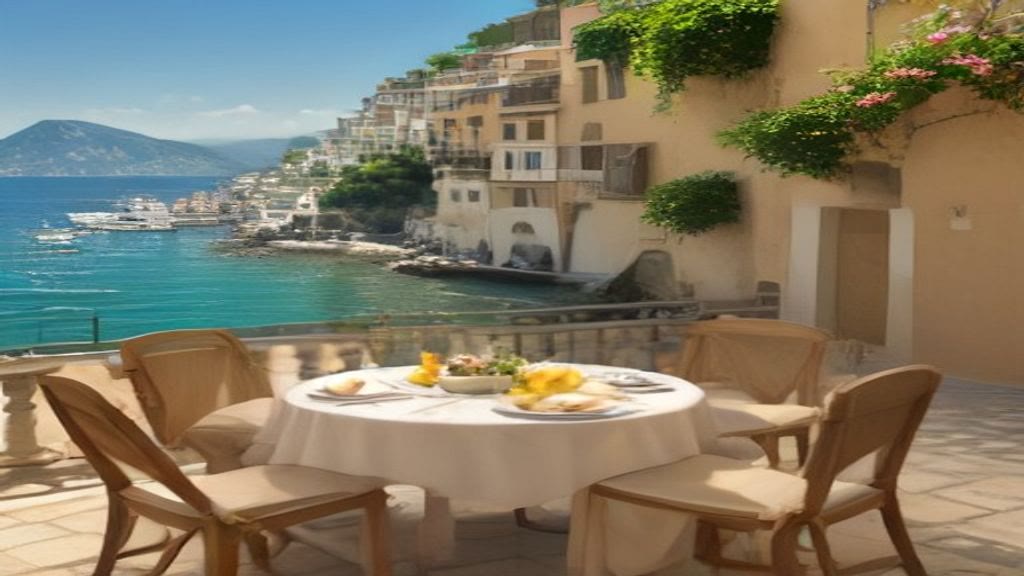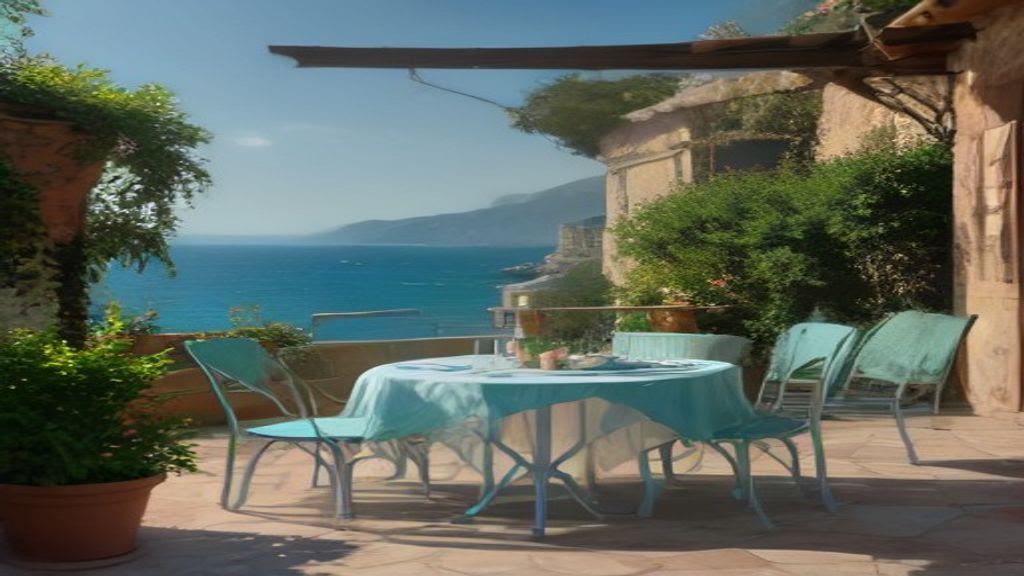
Readers who type healing romance books into a search box are rarely shopping for steam. They are hunting emotional repair: a story that will sit with grief without turning it into a spa weekend, and that will let love return without demanding amnesia. When Italy holds that story—especially southern Italy and the Amalfi Coast—the place is not a wellness brochure. It is weather, stairs, kitchens, and civic ordinary hours that refuse to flatten private pain into vacation therapy.
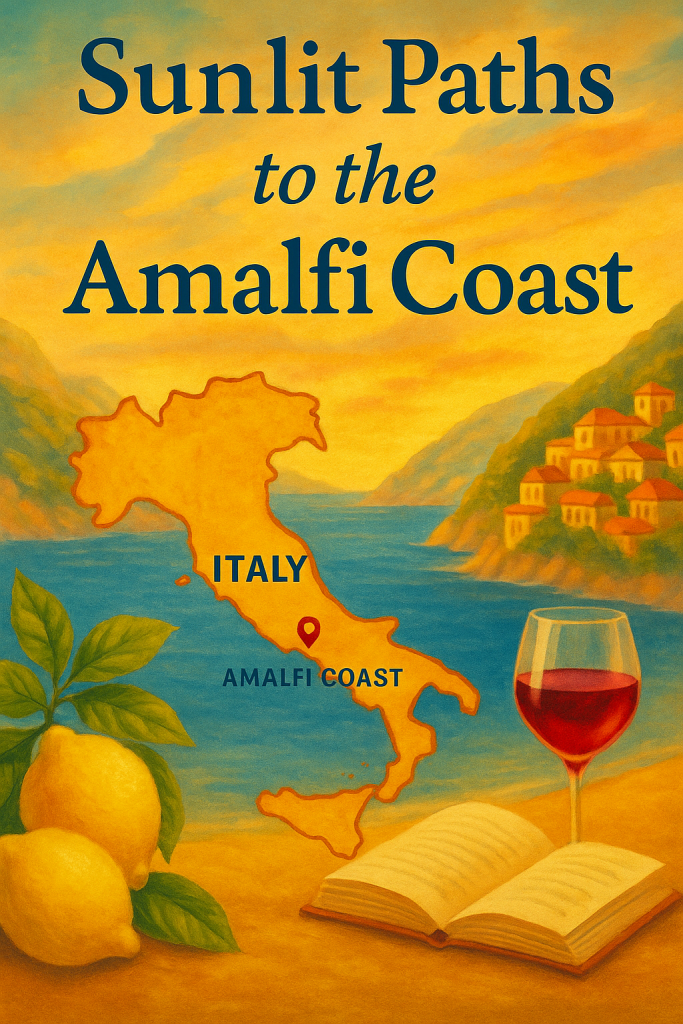
We write as Marina and Miles Ashford. Our novel, Sunlit Paths to the Amalfi Coast, is emotional second-chance / grief-and-healing travel romance, not steam. Roughly eighty percent of it grew from years we lived and walked in Italy together. The cover is a painting. The author photo in the back is us when we were younger, in those places. We keep the pen names. We keep the lived detail. This essay is about search intent, not a blurb dump: what “healing” means in contemporary travel romance, why Italy can hold grief without softening it, and how to spot place-true healing romance versus postcard wellness fiction.
We have already written about love after loss romance books and about grief and healing on the Costiera. Those pages stay. This one answers a different question: what readers mean when they ask for healing romance books in the first place.
What the Search for Healing Romance Books Actually Asks
Autocomplete treats healing romance as a shelf label. Readers treat it as a nervous system request. They want emotional repair without the obligation of high heat as plot fuel. They want hope that does not erase the dead, the divorce, the years that went wrong. They want characters who are allowed to be tired in public. “Healing romance” in that sense is closer to attention than to cure: two people learning each other while a place keeps working around them.
That intent is why Italy shows up so often beside the phrase. Italy is old. Italy is inconvenient. Italy will not empty a street for your private weather. Readers who want healing romance books set there usually do not want a blank terrace and a sunset that never costs anything. They want a geography that can hold weight—stone that stays damp, heat that changes plans, a kitchen that argues about fish and lemon—without pretending grief is a souvenir.
Soft focus “wellness” fiction sells the opposite: Italy as a reset button. Pack light, cry once on a cliff, return home fixed. Place-true healing romance refuses that trade. It lets the coast be beautiful and still refuse to do therapy for free.

What “Healing” Means in Contemporary Travel Romance
In contemporary travel romance, healing is not a destination stamp. It is a sequence of ordinary hours that become bearable again. Coffee standing at a bar. A shuttered street at midday. A late walk when light turns copper and the town does not rearrange itself for two people. Those hours are not filler between kisses. They are the medicine readers are hunting when they search healing romance books.
Healing also names a steam level. Many readers who want healing romance want emotional intimacy without the engine of explicit heat. That is not a moral ranking. It is labeling. Attention stories and heat stories both deserve honesty. If a book markets healing and then uses place only as a backdrop for staged desire, it has borrowed the keyword without keeping the contract.
Grief-and-healing romance and second-chance romance sit inside this lane often, but they are not identical. Grief-and-healing may carry a death, a diagnosis, a life rearranged by loss. Second-chance may carry unfinished love and the shame of returning. Healing romance books can hold either—or both—so long as repair stays process, not magic. Italy helps because it will not hurry. Ferries wait. Kitchens open when they open. Stairs punish impatience. That tempo is narrative equipment.
Emotional repair without steam
Readers asking for healing romance books often already know they do not want dark romantasy, ranked “best of 2026” scrapes, or listicles that treat Italy as interchangeable Mediterranean wallpaper. They want Italian love stories where dignity stays in the room: grief named, hope earned, bodies treated as people rather than plot appliances. Steam can exist in other shelves. This search is usually a request for emotional repair without that obligation.
Ask a sample page: does intimacy come from being seen in a working town, or from the town disappearing so the couple can take the frame? Healing romance tends to keep the town in the shot—delivery scooters, market noise, a neighbor who knows too much. Postcard wellness fiction empties the frame so the “journey” can look like a retreat brochure.
Why Italy—Especially Southern and Amalfi—Holds Grief Without Softening It
Northern Italian light and southern Italian light are different instruments. A Costiera noon is not a Milanese gray afternoon. Southern coasts climb. Towns stack. Lemons are labor and protected crop, not garnish bowls. Heat thickens conversation. Wind arrives off the water and ends a terrace plan. That climate costs something, and cost is what keeps grief from dissolving into vacation therapy.
Readers who hunt books set in the Amalfi Coast are often already asking for that vertical inconvenience: stairs, ferries, civic harbors, kitchen hours. Healing romance books that use the Costiera well borrow the same tools. The place does not “heal” the character. The place refuses to lie. Beauty and inconvenience share a cliff. That refusal is kinder than soft-focus salvation.
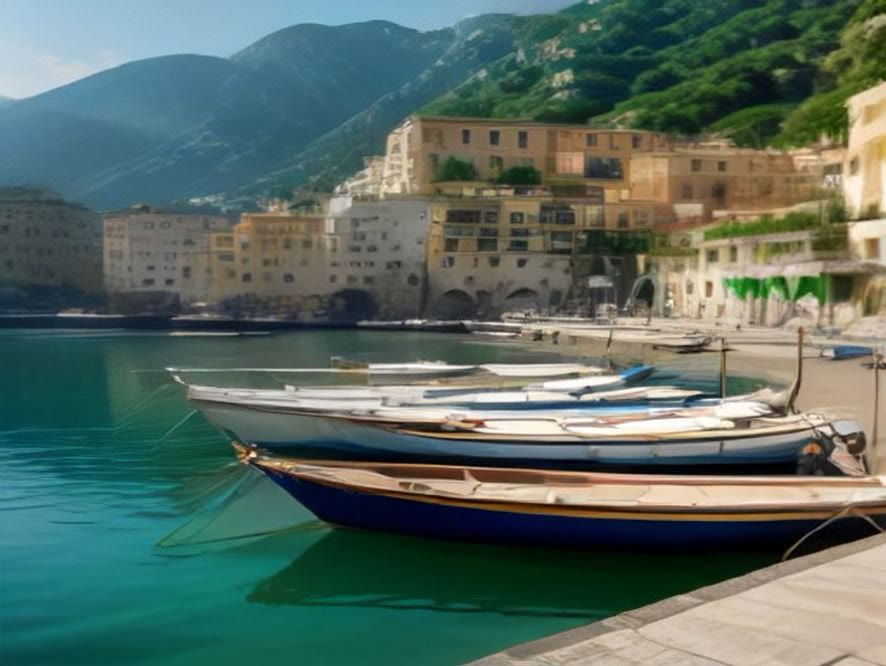
We have walked those paths. We have eaten those late dinners. We will not turn lived years into a memoir sales pitch, and we will not invent awards to prove a climate. What we will say is practical: southern Italy holds private weather because public life keeps going. Church bells, boat wakes, market mornings—none of them pause for a protagonist’s arc. Healing romance that respects that civic stubbornness feels true. Fiction that empties Positano for a private picnic feels like costume.
Place-True Healing Romance Versus Postcard Wellness Fiction
Use a reader’s sieve—no rankings, no fake reviews:
- Grief named without spectacle. Loss is present in behavior, not only in a cliff monologue.
- Hope without amnesia. Love returns without requiring the past to vanish.
- Climate that costs. Heat, damp, wind, or winter stone change plans.
- Food with a local argument. Regional kitchens, not “Italian feast” wallpaper.
- Tempo of ordinary hours. Bar coffee and shuttered streets matter more than montage.
- Steam level labeled honestly. Healing romance books that promise emotional repair should not bait-and-switch into heat as the only engine.
- Town still working. Delivery, neighbors, closed shops, ferry delays—civic life stays.
Postcard wellness fiction fails those tests on purpose. It sells Italy as a cure you can book. Place-true healing romance sells nothing so cheap. It offers recognition: this page smells like stone and espresso; that page smells like a catalog.
If you are also choosing among wider Italian romance shelves, our filter for Italian romance novels without ranked lists sits beside this essay. Different job, same refusal to lie about place.
How Readers Can Spot the Contract on Page One
Open a sample. Listen for inconvenience. Watch whether two people share a working harbor or a rented backdrop. Taste whether the meal could move to Spain by swapping a wine label. Notice whether “healing” is a speech or a sequence of days. Healing romance books that keep faith with the keyword usually sound quieter than wellness marketing. They trust ordinary hours. They let Italy be old.
Also watch the soft lies: endless prosecco picnics, empty cliffs at golden hour every night, lemons that never required a ladder, grief that resolves because the view was pretty. Southern Italy can be generous. It is not a therapist with a view. Readers who want grief and healing romance already know that in their bodies. The search box only needs honest language for it.
Where Our Book Sits—Softly
We point once, then step aside. Sunlit Paths to the Amalfi Coast follows Sofia Moretti and Tom Bennett as grief loosens through southern Italian days. It is one Amalfi Coast second-chance / grief-and-healing example among healing romance books that keep place and dignity in the shot—not a ranked-list entry, not a blurb dump. If you prefer to begin with the story itself, the Kindle edition waits on Amazon.
For how those years became a book without turning fiction into memoir, visit our author page. The stairs were not research props. They were a life we still refuse to sell as vacation therapy.
Closing the Tab Without a Wellness Brochure
If your search for healing romance books keeps offering spa Italy, close the brochure and open a page that keeps the town working. Listen for climate. Taste the meal. Watch whether hope arrives without erasing what hurt. That is the intent behind the keyword—emotional repair without steam as obligation, Italy as holder rather than healer-for-hire.
Healing romance is not a podium. It is a filter. Place-true books earn trust by refusing postcard wellness. Readers who type the phrase already know what they want: Italian love stories that can hold grief in the light without pretending the light is enough. Keep that sieve. Skip the cure-by-view. Keep the ordinary hour that becomes bearable again.