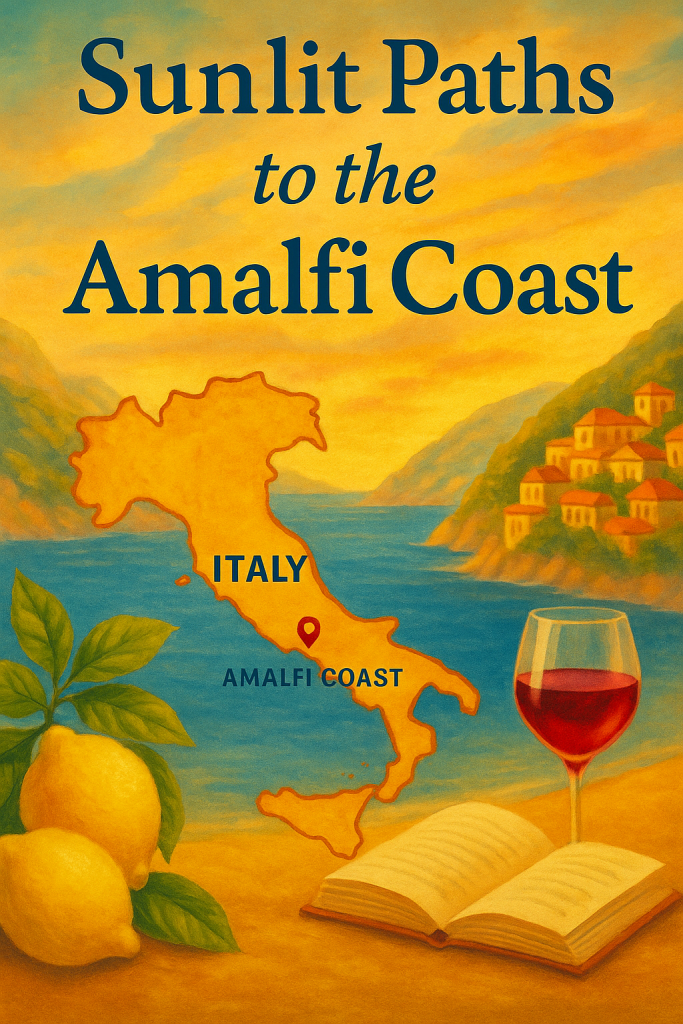
Sunlit Paths to the Amalfi Coast is a title with a job: lived southern Italy first, fiction second, Amalfi Coast as the lead door, and second-chance attention that refuses spa reset while stairs, heat, and civic hours still change how two adults speak.
We write as Marina and Miles Ashford. Our novel, Sunlit Paths to the Amalfi Coast: A Love Story Lived, then Written, is adult second-chance / grief-and-healing travel romance. Roughly eighty percent of it grew from years we lived and walked in Italy together. The cover is a painting, not a photograph of us. Sofia Moretti and Tom Bennett are characters; the book is fiction, not a memoir. Marina Miles Books is the imprint. Adult heat exists later in the novel’s arc; daily essays here stay on place, attention, and dignity.
Today we already wrote Amalfi Coast romance, second chance romance Italy, and widow romance books as neighboring doors. Those pages stay. This one owns the title entity itself: what Sunlit Paths to the Amalfi Coast promises, and what it refuses to pretend.
What the Title Still Promises
A title is a contract before a chapter. Sunlit Paths to the Amalfi Coast promises light and walking, not a private empty cliff. It promises the Amalfi Coast as a lead door, not Tuscany wallpaper with lemons glued on. It promises paths that cost legs and timing, not spa montages that dissolve every climb into charm. Soft blurbs cut those facts because soft blurbs sell an emptied country and an emptied subtitle at once.
The longer subtitle on the cover, A Love Story Lived, then Written, is brand grammar, not a memoir claim. Lived means sensory Italy we walked, ate, and timed: ferries, closed shops, stairs, markets, Path of the Gods height on a clear day. Written means Sofia and Tom are characters. The book is fiction. We do not sell plot gadgets as autobiography. Readers who type the title entity are often asking whether the page matches the promise: adult second chance, grief that stays, southern Italy that keeps working.
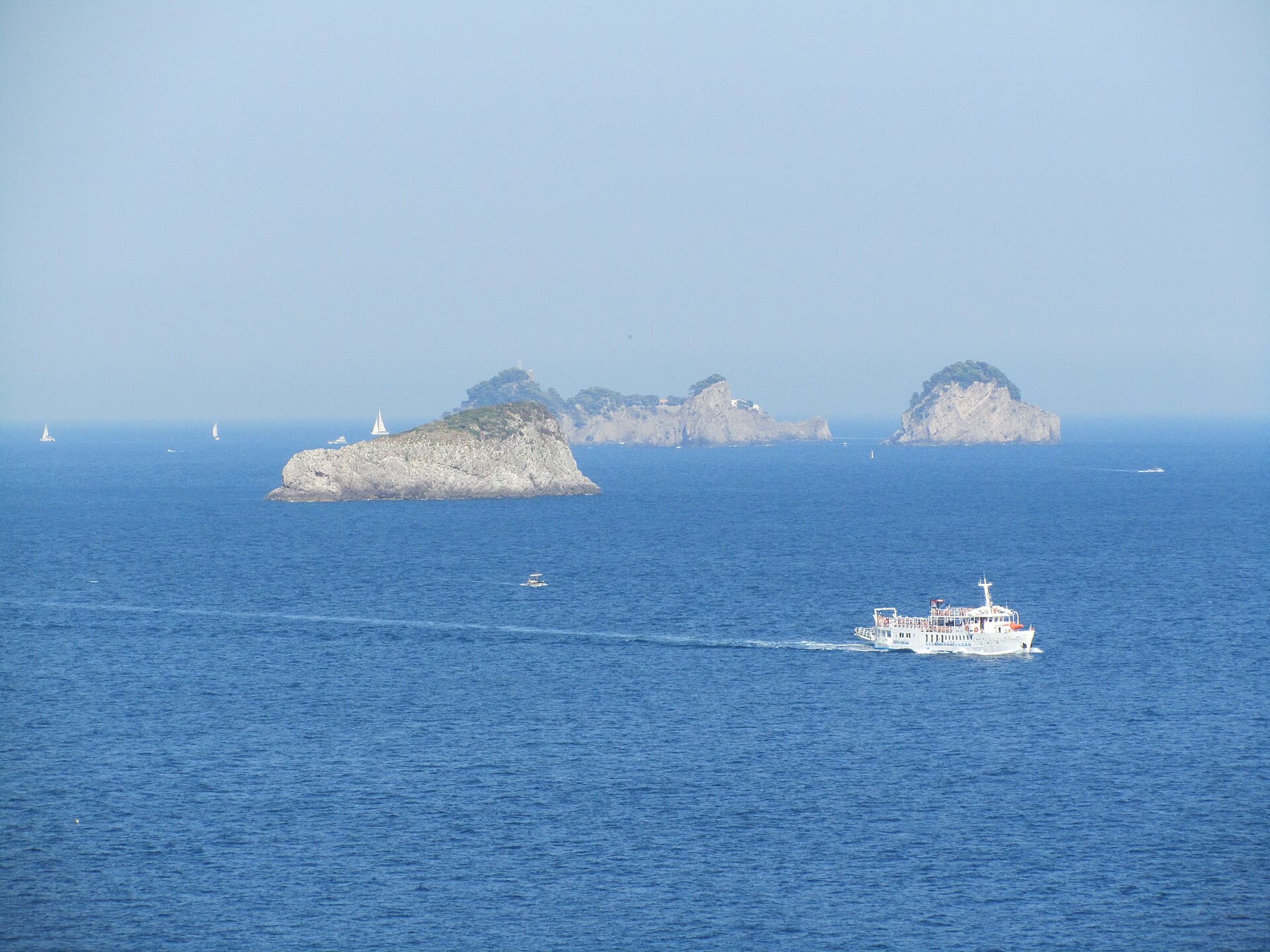
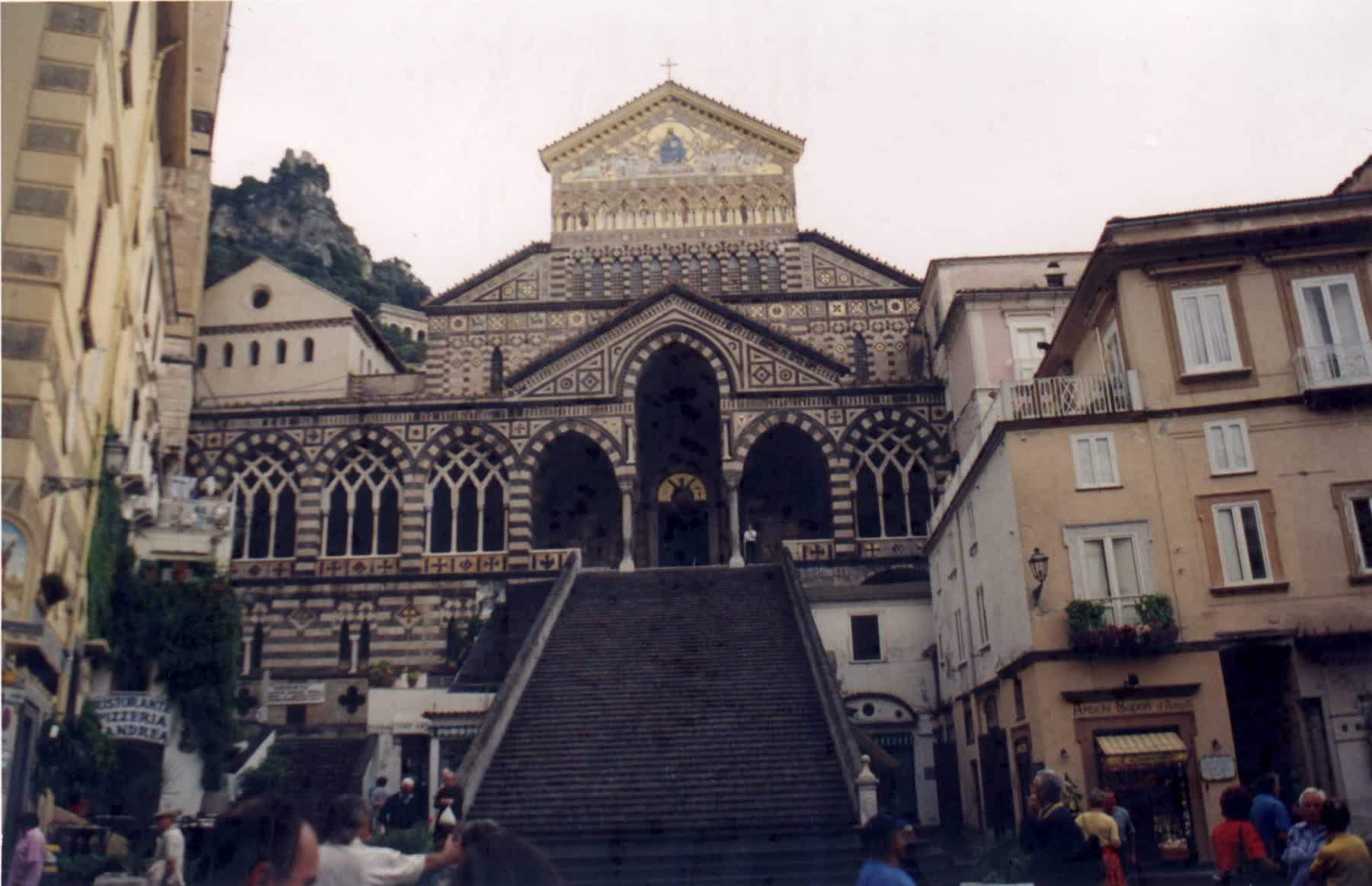
Place order on the page matters. Sicily starts the thaw. Sardinia carries water and adult heat later in the arc. The Amalfi Coast leads the marketing face and the title door: Positano’s crush and quieter Fornillo logic, Amalfi town labor, Ravello height, Praiano’s quieter stairs, Path of the Gods–inspired trail texture. Capri stays a distant view from height, not a Capri chapter. Sorrento is a GSC and travel word for readers; it is not named as a novel setting. Mixing those grammars keeps the title from collapsing into one stock postcard.
Lived Then Written, Not Memoir Tourism
Lived-then-written is easy to misuse. Soft marketing turns it into “everything happened exactly like this.” Honest branding turns it into sensory pressure that fiction can carry without claiming a diary. A pharmacist’s midday hours. Children awake late because the light will not quit. A terrace argument that has to move indoors. A ferry queue that eats the breakthrough hour. Lemons that required a ladder. These are ordinary Italian facts. They are also the teeth that keep Sunlit Paths to the Amalfi Coast from floating into spa fantasy.
Memoir tourism is the opposite contract. Empty villa. Endless prosecco. Grief cured by panorama. Towns that open only for the couple. A coast that rearranges itself for private weather. Beautiful sometimes. Easy to sell. Soft on behavior. When you open a sample under this title entity, ask which Italy you are standing in. Does public life keep interrupting, or does the square empty for monologue? Do paths cost water bottles and pride, or do climbs dissolve into charm?
Grief grammar belongs inside the title’s job too. Both leads carry late spouses as people, not villains. Second chance here is not an ex-lovers reunion; it is adults who froze after loss and choose a living table while Italy keeps its job. Heat as desire begins in Sardinia in the novel’s arc. Daily essays do not scene-list steam. The title still has to tell the truth that this is adult contemporary romance with on-page intimacy later, not clean YA and not erotic kink as the engine.
How to Read the Title Without Ranking Novels
Ignore cover toast for thirty seconds. Watch the first inconvenience on southern Italian ground.
Does someone’s body tire on stairs, or does every climb dissolve into charm? Do ferries, heat, or closed shops force a choice, or does the plot float above logistics? Is food regional and timed to civic hours, or interchangeable “Italian” wallpaper? Are Sicily, Sardinia, and the Amalfi Coast allowed their own grammars, or does everything collapse into one pastel overlook? Does grief stay allowed without becoming scenery’s problem to solve?
Those questions are the quiet test for Sunlit Paths to the Amalfi Coast as a searchable title entity. Travel romance needs a map that will not rearrange itself. Second-chance attention needs forced choices more than empty cliffs. If Positano could be swapped for a generic Mediterranean ridge without rewriting the scene, the geography failed even if the blurb shouted Amalfi’s name.
Related searches overlap this hunger: Amalfi Coast romance, Italian romance novels, romance books set in Italy, second chance romance Italy, widow romance books, Path of the Gods, Italy places in the book. They are not identical doors. The title entity stays the book-name door of them: lived southern Italy, fiction with civic teeth, Amalfi Coast as lead face, grief and second chance that still share a working country.
A practical neighbor for coast orientation without pretending a blog post is a guidebook is Rick Steves’ Naples & the Amalfi Coast (ASIN B0DZ42VN2R): visitor framing for Naples-side and Costiera days, not a ranked romance shelf. As an Amazon Associate, Marina Miles Books earns from qualifying purchases. That link is a working-map door, not a #1 badge.
Lived detail stays ordinary on purpose because the title’s job is ordinary pressure. SS163 hairpins. Goats in the road. Midday closures. Path height where Capri can sit across the water on a clear day without becoming a Capri chapter. Ravello’s quieter gardens. Praiano’s quieter stair logic between famous neighbors. Soft blurbs cut those facts. Samples with civic teeth keep them. Readers hunting the title entity are often asking, without those exact words, whether the book still knows what its own name asks.
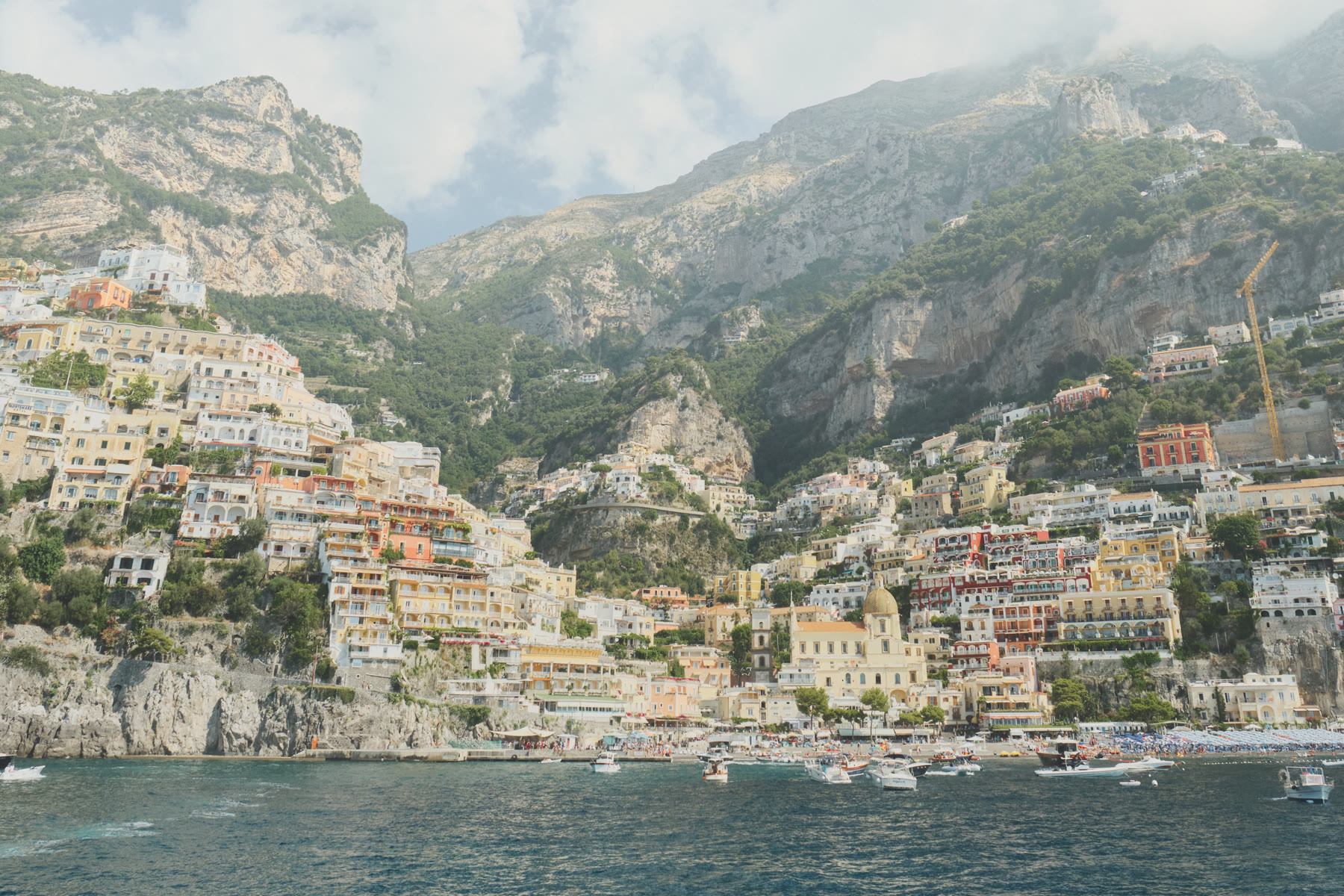
Also notice what the title does not require. It does not require a ranked shelf of other authors. It does not require KDP how-to noise. It does not require romantasy volume chasing. It does not require Dubai or Monaco as the face of the book, even if short detours exist later in the arc. The public face stays Amalfi Coast, Sicily, Sardinia, food, walking height, and second-chance dignity. Soft marketing sometimes chases louder heads. This title entity keeps the quieter, harder promise: civic Italy with teeth.
If you came from Amalfi Coast romance or second chance romance Italy earlier today, keep those pages. They name head phrases and trope-plus-country pressure. This page names the book itself so Search Console and readers meet the same contract: Sunlit Paths to the Amalfi Coast means lived southern Italy first, fiction second, and a coast that still closes shops while adults try again.
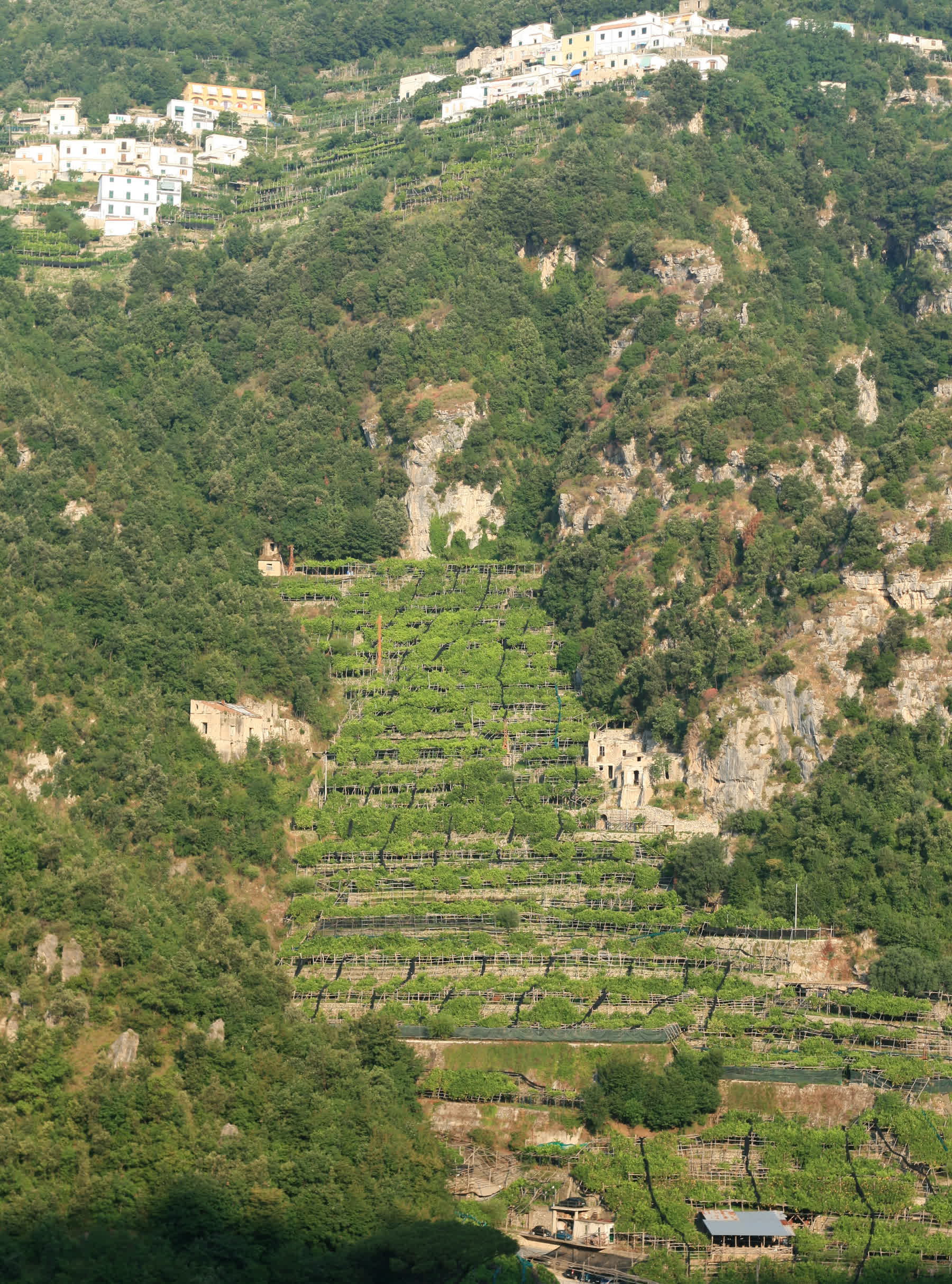
Food grammar belongs inside the title too. Pasta alla norma with Sicilian roots. Amalfi lemons with labor still attached. Delizia al limone as coast dessert logic. Civic tables with hours. Soft destination fluff sells interchangeable “Italian” wallpaper. The title entity keeps regional plates and closed kitchens in the same frame as romance, because a living country eats on a schedule even when two adults are falling toward a second chance.
Where the Book and Places Sit Softly
We point once, then step aside. Begin at Sunlit Paths to the Amalfi Coast for the story door. For place grammar without turning this essay into a guidebook, use Italy places in the book. Sofia and Tom learn each other while southern Italy keeps working. Heat begins in Sardinia in the novel’s arc; this post is not a scene list or a steam pitch. The Kindle edition waits on Amazon. The Marina Miles author page holds the imprint voice. For trip planning that keeps hotels and tours off the Amazon lane, return to Walk the Sunlit Paths.
Keep the title honest. Skip memoir tourism. Read the sample for stairs, timing, regional tables, grief that stays, and Amalfi Coast pressure that still has to share a working country. That is what readers mean, often, when they type Sunlit Paths to the Amalfi Coast and hope the results still know what the name asks.