Readers who search romance set in Sicily are rarely asking for a podium of ten titles. They are asking what the island does to a love story—what Etna’s shadow, black volcanic stone, Motta-type civic towns, Catania markets, and a plate of pasta alla norma give two people that a hotel balcony cannot. This essay is about Sicily as place in fiction. It is not a clone of a cuisine post, and it is not a tour brochure with romance stickers.
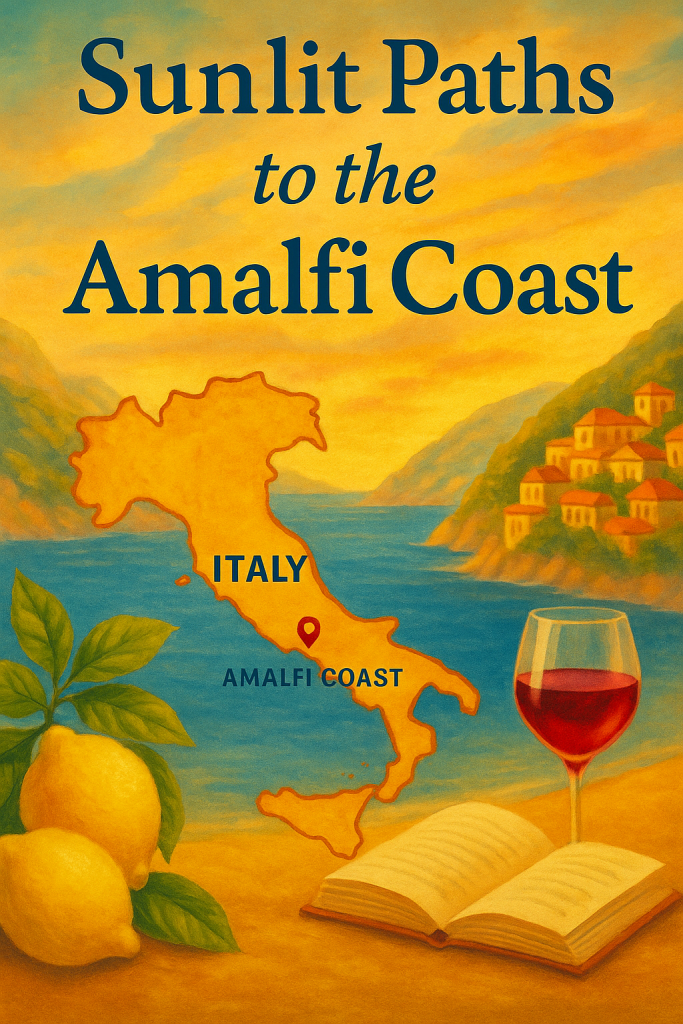
We write as Marina and Miles Ashford. Our novel, Sunlit Paths to the Amalfi Coast: A Love Story Lived, then Written, is adult second-chance / grief-and-healing travel romance. Roughly eighty percent of it grew from years we lived and walked in Italy together. The cover is a painting. The book starts in Sicily—Motta Sant’Anastasia in Etna’s shadow, then Catania and Palermo day-trips—before the story moves through other Italian geographies toward the Amalfi Coast. Sofia Moretti and Tom Bennett fall in love on that island. We keep the pen names. We keep the novel as a novel. We will not invent chapters that are not there.
If you arrived from a broader hunt for Italian love stories, this page is the southern door that is not Tuscany and not yet the Costiera. Different job. Same refusal to treat Italy as interchangeable wallpaper.
What Romance Set in Sicily Asks of a Writer
Sicily is not “Italy, but warmer.” It is an island with its own light, stone, markets, and tempo. Romance set in Sicily that keeps faith with the place has to let those facts press on the characters. Heat is not mood lighting. Etna is not a logo on the horizon. Black volcanic paving is not a filter you can swap for Amalfi limestone without changing how feet and conversations move.
Readers who type the phrase often already know they want southern Italy romance with teeth. They may arrive from broader Italian romance novels searches, or from romance books set in Italy that felt too soft. What they are buying is recognition: a Tuesday in a civic town, a market morning that smells like fish and citrus, a temple day-trip that costs the body something. They are not buying a ranked “passion and place” leaderboard.
That is why an old top-ten list cannot answer this query honestly. Lists flatten. Place essays specify. Sicily gives a love story volcanic geology, Arab-Norman layers in city streets, Greek temples that refuse to be wallpaper, and food that argues in eggplant and ricotta salata. Use those tools or admit you rented a balcony.
Etna’s Shadow and Motta-Type Civic Towns
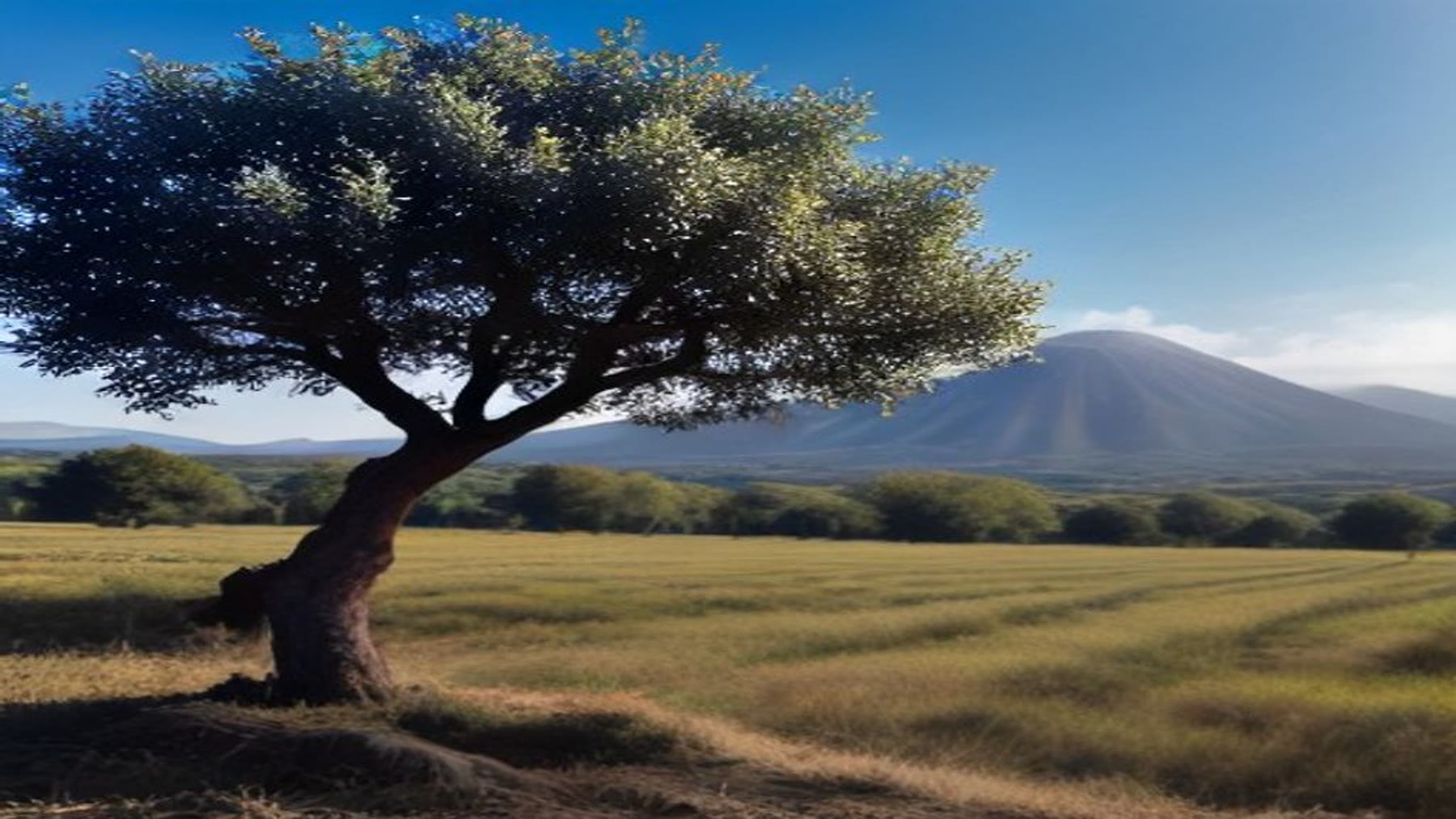
Motta Sant’Anastasia sits in Etna’s shadow among olive and lemon groves. Piazza Umberto I, the Chiesa Madre, the Norman tower—these are civic facts, not Instagram props. Ordinary hours matter here: shutters, heat, a square that does not empty for private weather. Romance set in Sicily that begins in a Motta-type town inherits that stubborn public life. Neighbors notice. Bells keep time. The volcano stays on the horizon whether or not two people are ready to look at it.
We have walked those streets—the running path toward Fondachello in the heat, the square that still has a Tuesday, the Norman tower that does not care whether two people are ready to look at the mountain. We will not publish off-market house details or turn lived years into a memoir sales pitch. What we will say is practical: a hill town with Etna in view gives a love story vertical inconvenience and long-sighted weather. Characters cannot pretend the island is a spa. Stone holds heat. Groves require labor. Grief looks different when the mountain keeps working.
That civic texture is why Sicily can hold second-chance and grief-and-healing arcs without dissolving into vacation therapy. The town refuses to do therapy for free. Beauty and inconvenience share a slope. Readers hunting southern Italy romance already sense that bargain; Motta-type towns make it visible on the page. For the wider map of where the novel actually walks, see the Italy places in Sunlit Paths—Sicily first, then Sardinia, then the Amalfi Coast. Sorrento is not named in the book. Palau is a ferry doorway to La Maddalena, not a destination article.
Catania Markets, Black Stone, Granita Light
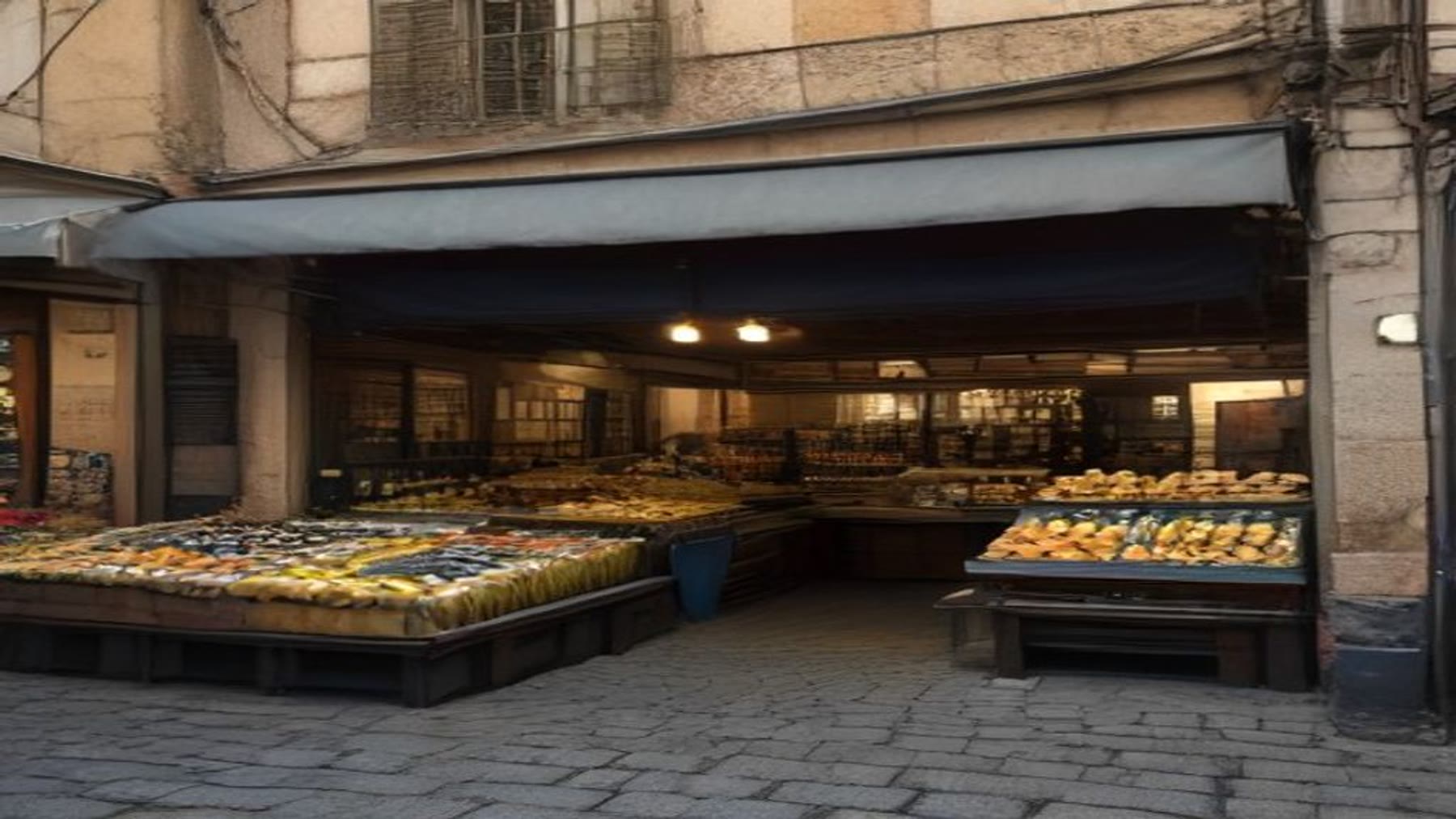
Catania teaches a different grammar. Fontanarossa arrival, the elephant fountain in Piazza Duomo, Via Etnea espresso standing up with a worn rim, the fish market, volleyball light on black-sand Playa, granita al limone that is cold enough to stop a sentence—these are not souvenirs. They are tempo. Volcanic stone darkens the street. Morning light hits citrus and fish ice. Espresso is standing, quick, social. A love story that uses Catania well keeps those textures in the shot instead of fleeing to a private terrace the moment intimacy begins.
Black stone changes how romance feels. Pale Amalfi towns climb above blue water; Catania’s center absorbs heat into lava paving. Characters sweat differently. Shoes sound different. The market’s noise refuses soft focus. If your Sicily romance could swap “Catania” for any coastal city by changing three nouns, the place never arrived.
Granita al limone is not a cute beat. It is temperature and pause—an ordinary Sicilian hour that can hold silence between two people without a speech. Romance set in Sicily earns trust in those pauses. Spectacle is cheap. A market morning that keeps working is expensive in the best way.
Palermo Day-Trips, Temples, and Island Gravity
Palermo markets such as Ballarò, Mondello’s curve, the Cattedrale—day-trip gravity that pulls characters out of a hill-town rhythm and into layered city noise. Segesta’s unfinished Doric temple, Syracuse and Ortigia, Taormina, Cefalù, Agrigento’s Valley of the Temples: Sicily offers ancient stone that will not flatter a protagonist. Use them as pressure and history, not as checklist tourism. A couple standing at Segesta should feel small for reasons the plot can use.
We mention these places because they are public-safe texture a writer can verify, not because this essay is a guidebook. Romance set in Sicily fails when every famous site becomes a montage stamp. It succeeds when one temple afternoon costs the body and changes the conversation that night at a kitchen table.
Island gravity also means limits. Ferries, heat, distances, closed hours. Southern Italy romance that ignores logistics is costume. Sicily will not rearrange its calendar for your arc. That refusal is narrative equipment. Readers choosing among Italian romance novels can use the same test: does the island still have a Tuesday, or did the plot rent a vista?
Food Grammar Without Turning This Into a Menu
Pasta alla norma, caponata, Nero d’Avola, Etna Bianco—these are not interchangeable “Italian feast” props. Norma belongs to eggplant, tomato, basil, ricotta salata; it argues with Catania and the island’s gardens. Caponata tastes like sweet-sour patience. Wine from Etna slopes and Nero d’Avola grapes carry volcanic and inland stories. When romance set in Sicily puts food on the table, the meal should fail the Spain-swap test: change the labels and the scene should break.
We will not invent recipes or years-in-Italy trivia for SEO. Pasta alla norma is in the novel’s appendix; pasta al limone is not. If you want the named plates without treating this page as a cookbook, Sofia’s Kitchen keeps the list. What place-true fiction needs is simpler: food with a local argument keeps intimacy honest because it keeps labor and region in the frame. An empty table with correct dishes can say more than a private cliff picnic with prosecco.
Where Sunlit Paths Begins—Softly
We point once, then step aside. Sunlit Paths to the Amalfi Coast opens in Sicily with Sofia Moretti and Tom Bennett under Etna’s weather, Motta-type civic days, and Catania and Palermo day-trips, before the novel continues toward other Italian geographies and the Amalfi Coast. It is adult and steamy contemporary—not clean—and heat in the book’s arc begins later, in Sardinia; this essay is not a scene list. If you prefer to start with the story, the Kindle edition waits on Amazon.
Sicily gives a love story volcanic horizon, civic stubbornness, market tempo, temple gravity, and food that argues in eggplant and ricotta salata. Southern Italy romance that uses those gifts earns the keyword. Postcard Sicily does not. Keep the island’s Tuesday. Skip the listicle. Keep the ordinary hour under Etna that becomes bearable again without pretending the mountain is a cure.