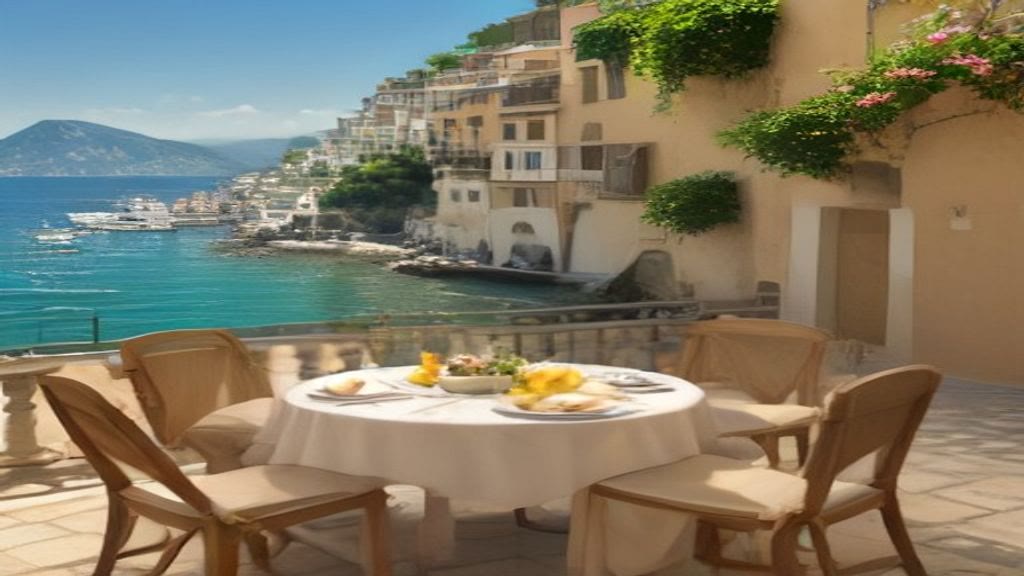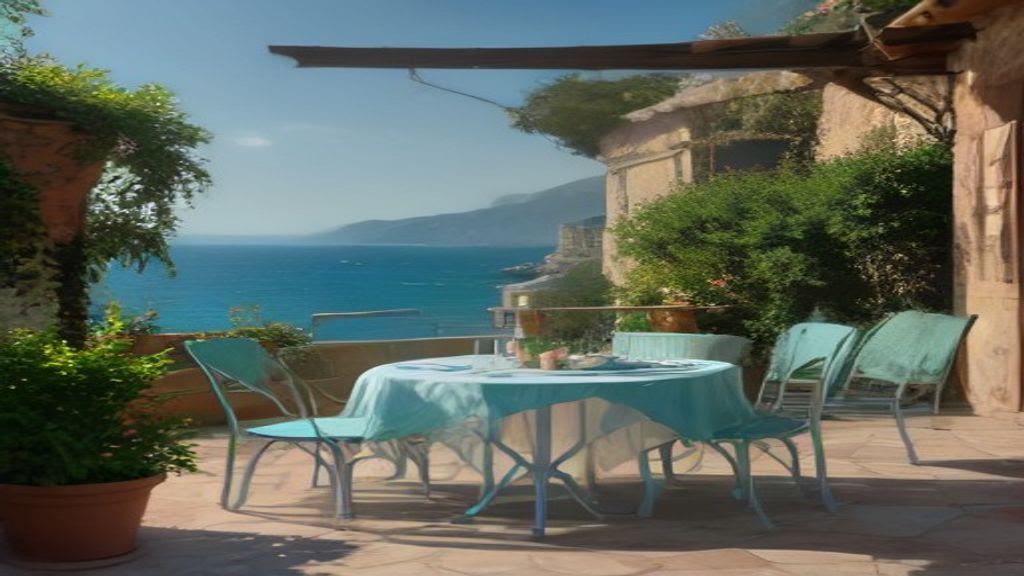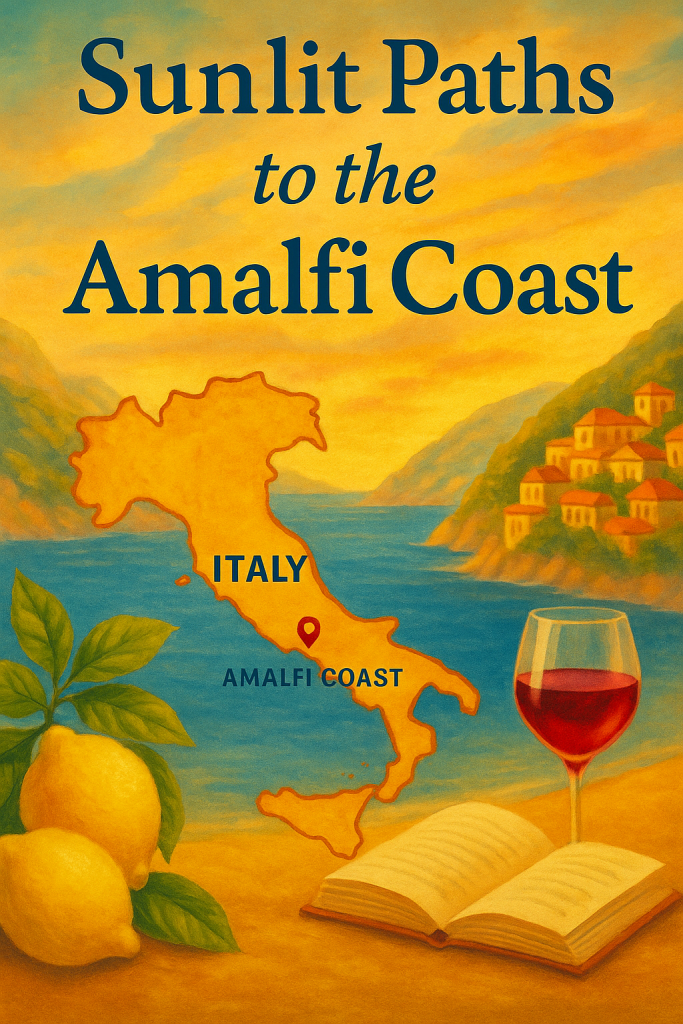
The Path of the Gods is not a plot device. It is a limestone shelf between sky and sea, the Sentiero degli Dei running from Bomerano in Agerola toward Nocelle above Positano, and it is the kind of walk a second-chance story actually earns. You do not skip it in a car. You take it in the body: dust, thyme, a drop on the left that does not care about your itinerary.
Readers hunting Sunlit Paths to the Amalfi Coast often want the geography to be as true as the feeling. This trail is that geography. About seven kilometers of exposed path, goats, scrub oak, and the peninsula laid out like a map someone finally agrees to read slowly. The classic line is not a secret Instagram pin. It is a mule track that became a famous walk because the coast had no kinder way to move people between the high villages and the sea.
Where the trail actually is
Bomerano sits in Agerola, inland and up, cooler than the beach, with a square, a coffee, and a start that looks ordinary until the path leaves the last houses. Nocelle is the hamlet above Positano where the guided stretch often ends. Between them the cliff is the story. Capri sits out in the water like a period at the end of a sentence. On a clear morning you can see the siren rocks the old stories used. On a fogged one you walk by faith and the white paint on the stones.
The path is not inside Positano’s shops. If you begin in town you are already doing the hard part backward: the 1,700 steps from Nocelle down to the beach are optional and they punish knees. Say that before anyone packs a dress for the descent. The honest order is high to lower, Bomerano toward the sea, early, with water, in a season that still has shade in the morning.
Buses connect the villages when they run on time. They often do not. A small guide who knows which SITA to trust will save a marriage faster than a sunset overlay. If you are writing the trail into fiction, put the wait at the stop. Put the wrong square. Put the local who points without smiling. That is more true than a paragraph of UNESCO language.
Why it belongs in Italian travel romance
Italian travel romance fails when the landscape is wallpaper. The Path of the Gods refuses wallpaper. It is steep on purpose. Shoulder season still has wind. August noon will punish you. Two people walking it are not performing a reunion. They are choosing the next hour with their feet. That honesty is closer to second chance romance than a villa rented for a drone.
In the novel, Sofia Moretti and Tom Bennett’s coast is mainland Italy first: Amalfi light, Sorrento’s lemon work, the peninsula as a place you live, not a place you collect. The trail sits in that first country. Grief does not dissolve because the view is famous. It loosens because you had to breathe on a grade, because you shared water, because you did not talk for twenty minutes and the silence was not empty.
A second chance on this path is not a speech at the belvedere. It is the decision to keep walking when the pretty photograph has already been taken. Writers who skip the blisters skip the genre. Readers can tell.
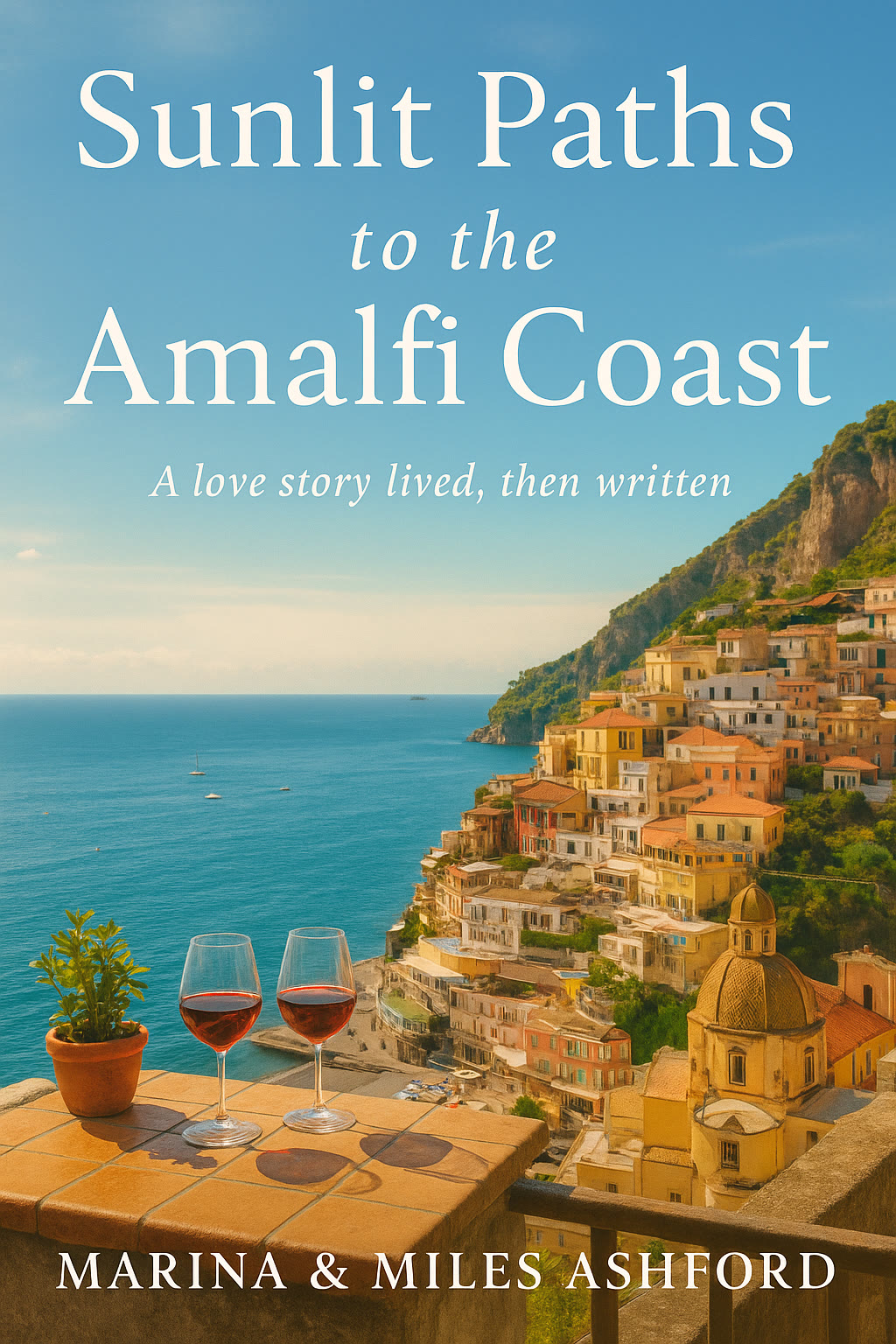
How to walk it so the story stays intact
Go in April, May, late September, or October if you can. July and August will still be beautiful and they will also be crowded, hot, and full of people who came for the name. Start at Bomerano, not at a random geotag. Hire a small guide if the buses confuse you. Carry more water than looks elegant. Wear shoes with a sole. Do not add Pompeii to the same day. Eat in Nocelle or wait for Positano. Do not eat in a hurry on a wall with a drop.
Weather cancels. Stone gets slick. The trail is not wheelchair accessible and it is not kind to anyone who cannot handle uneven ground for three hours. That is not a branding problem. It is a fact. If mobility is limited, the coast still has ferries, lemon gardens with fewer stairs, and terraces that do not require a goat’s ankle. Send characters there with dignity instead of forcing a hike they could not survive.
That is also how to write the trail without lying. Put the dust on the tongue. Put the ferry you should have taken when the road became a parking lot. Put the cheap coffee in Agerola that tasted better than the one in the famous square. Put the moment someone sits on a rock and does not get up for a while. Romance that cannot survive a rest is not romance. It is advertising.
What the walk does that a lookout cannot
A lookout is a stop. A trail is a duration. Duration is what second-chance fiction needs. You cannot solve a marriage in a viewpoint parking lot. You can begin to tell the truth over seven kilometers if both people are willing to be slightly uncomfortable. The Path of the Gods is useful to a novelist for that reason alone. It takes time. It does not let you leave when the conversation gets honest.
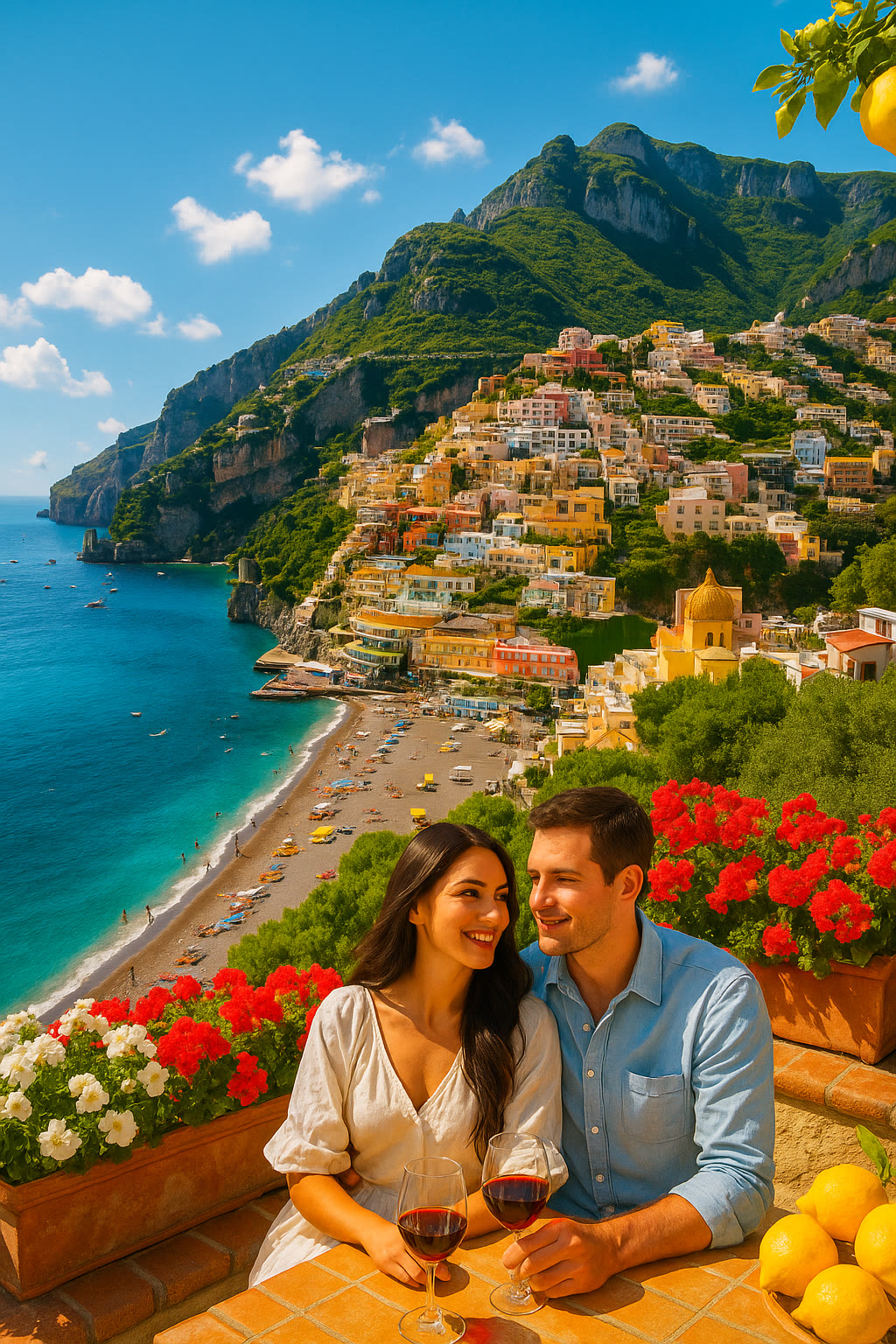
The villages at either end are not interchangeable. Agerola still feels like work and dairy and height. Positano performs itself for the water. Nocelle is the hinge, a handful of houses and a view that has not been fully merchandised. If your characters only ever appear in the famous beach, they have not walked the book’s coast. They have visited a set.
Sunlight on this path is frank. There is little tree cover in the famous stretches. Hats are not a fashion note. They are how you finish. In the novel’s weather, light is a character. On the Sentiero degli Dei it is a fact that will burn the back of a neck. Write the burn. Then write the water. Then write the thing someone finally says because there is nothing else to do until the next painted stone.
Where the book meets the booking
If you came for the novel, read it first, then walk. If you came for the walk, the book will still be there when the knees cool. Either order is honest. The trail does not care which hunger arrived first. It only cares whether you brought water, whether you started early, and whether you treated the drop with respect.
We lived this peninsula long enough to be tired of the version that exists only on a screen. The Path of the Gods, done small, in season, without a checklist taped to the day, is still one of the few walks that feels like the story instead of a caption. Go for the view if you want. Stay for the hour in which nobody is performing. That hour is the one worth writing down.
A note on crowds, goats, and getting lost
You will meet other walkers. Some will have poles and a plan. Some will have city shoes and a look of surprise. Let them pass on the outside if the drop is on your left. Greet people. Do not stop in the narrowest pinch to take a photograph of your own legs. The goats have right of way and they know it. If you lose the white marks, stop. Do not invent a path down a gully because the sea looks closer that way. The sea is not closer that way.
Getting mildly lost is part of the old walk; getting badly lost is how rescue stories start. Carry a charged phone. Tell someone which bus you took. These are unromantic sentences that keep a romantic day from becoming a file. The novel can afford danger. Your Tuesday cannot. Write the caution into the fiction too. Characters who never look at their feet are characters the mountain will educate.
By the time you reach Nocelle you will want a chair more than a revelation. Take the chair. Order whatever is cold. Look at Positano stacked below you and notice that it is a working pile of houses, not a painting. If the book is in your bag, you can open it. If it is not, you already did the reading with your legs. Either is enough for one day.
If you only remember one practical thing, remember this: the Path of the Gods is a morning. Protect it like one. Sleep the night before in a village that can reach Agerola without a two-hour panic. Eat something dull and filling. Fill the bottles. Start while the stone is still kind. The view will wait. The heat will not. That single discipline is the difference between a walk you will tell as a story and a walk you will tell as a complaint. Italian travel romance, on this ridge, is just the complaint you chose not to make.