
Many authors think SEO is only about keywords, but search intent plays an even bigger role. Search intent tells you why readers search for something. It shows you what they want, what they expect, and what type of content they hope to find. When authors match the intent behind a search, their articles rank higher, readers stay longer, and book visibility grows.
Search intent helps authors write posts that answer real questions. It also helps readers feel understood. This connection builds trust and long term engagement.
What Search Intent Means for Authors
Search intent is the purpose behind a search. Readers type simple phrases, but each phrase reflects a mood or a need. When you understand the intent behind the keyword, you can create a blog post that satisfies it.
There are four main intent types for authors to use.
Informational intent
Readers want answers, guidance, or explanations.
Transactional intent
Readers want to buy books.
Comparative intent
Readers want recommendations or lists.
Emotional intent
Readers want comfort, inspiration, or connection.
When your articles match the correct intent, your site becomes more visible and more valuable.
Why Search Intent Helps Authors Find New Readers
Readers come to Google with specific goals. Some want a new romance novel and writing help. Some want publishing guidance. When your articles answer these goals clearly, Google rewards your site.
Search intent helps authors write content that feels useful. It also helps Google understand your topics. When search engines understand your purpose, they show your content to more people.
Intent creates a natural match between you and the reader. This match improves click through rates and keeps readers on your page longer. Both signals improve ranking and visibility.
How Romance Authors Can Use Search Intent
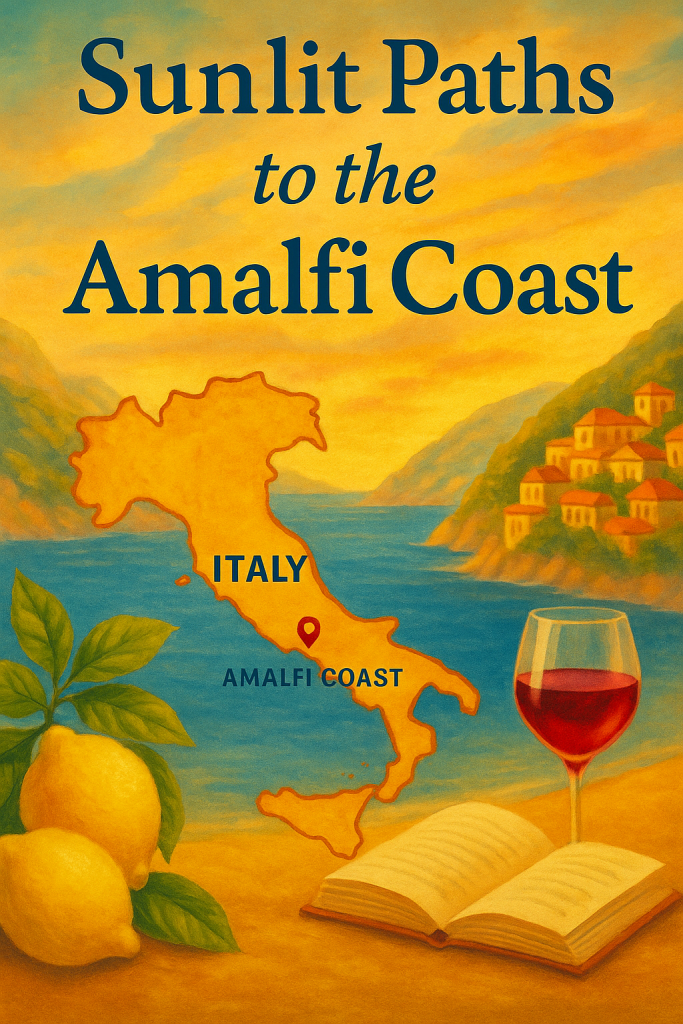
Romance readers often search for recommendations. They want book lists, emotional stories, or travel based love novels. Their intent is emotional and comparative. When you create posts that offer warmth and recommendations, you meet their intent.
Examples of romance search intent:
best romantic love novels
romance novels set in Italy
emotional travel romance
romance books for women
These searches show what the reader wants. They want feelings, comfort, scenery, and escape.
When you write articles that match those emotions, your site grows.
How Publishing Focused Authors Can Use Search Intent
Authors searching for writing or marketing help want clear guidance. They want steps, explanations, and strategies. Their intent is informational. When you create articles that teach, they stay longer and trust your content.
Examples of informational author searches:
how to format a book
how to write a book description
KDP keyword guide
how to get more reviews
These searches show what authors need. When you match intent with clear and simple instructions, your article becomes valuable.
Match Content Style to Search Intent
Search intent influences the structure of your content.
Informational intent
Use clear steps, short sentences, and direct guidance.
Comparative intent
Use lists, summaries, and helpful descriptions.
Transactional intent
Use emotional hooks, vivid imagery, and soft invitations to explore your book.
Emotional intent
Use warm tone, scenery, and gentle pacing.
When your style matches the reader’s goal, the content feels natural.
GEO SEO Insight Regions Where Search Intent Shifts Most
Reader intent changes across regions. Some countries prefer emotional romance. Others prefer writing guides or publishing tutorials. Matching intent to region helps your blog reach more readers around the world.


4
Why Search Intent Strengthens Author SEO
Search intent makes your website easier for search engines to understand. When each article has a clear purpose, Google can categorize your content. This organization helps your site appear in more searches.
Readers also respond well to intent aligned content. When they find exactly what they hoped for, they stay longer. Time on page increases trust. Trust increases ranking.
Simple alignment creates strong results.
How Search Intent Helps Promote Your Books
When your romance articles match emotional or comparative intent, readers begin to see your books naturally. They trust your recommendations. They recognize your voice. Over time this increases curiosity about your work.
When your author guides match informational intent, other writers return to your site regularly. This builds traffic and raises your authority. High authority supports future book launches and helps your brand grow.
Search intent becomes a long term foundation for your entire author platform.
Keep Your SEO Intent Clear and Consistent
Search intent works best when you repeat it across your content. Romance posts should use emotional and comparative intent. Author guides should use informational intent. Over time your site becomes highly organized. Search engines respond to this structure with better ranking.
Search intent creates clarity. Clarity creates visibility. Visibility creates readers.