Italian ceramic workshop romance is Vietri-craft labor climate: kiln heat that still interrupts a careful sentence, glaze that will not empty for confession, and adult attention that has to share a living bottega instead of Vietri sul Mare place clone wallpaper.
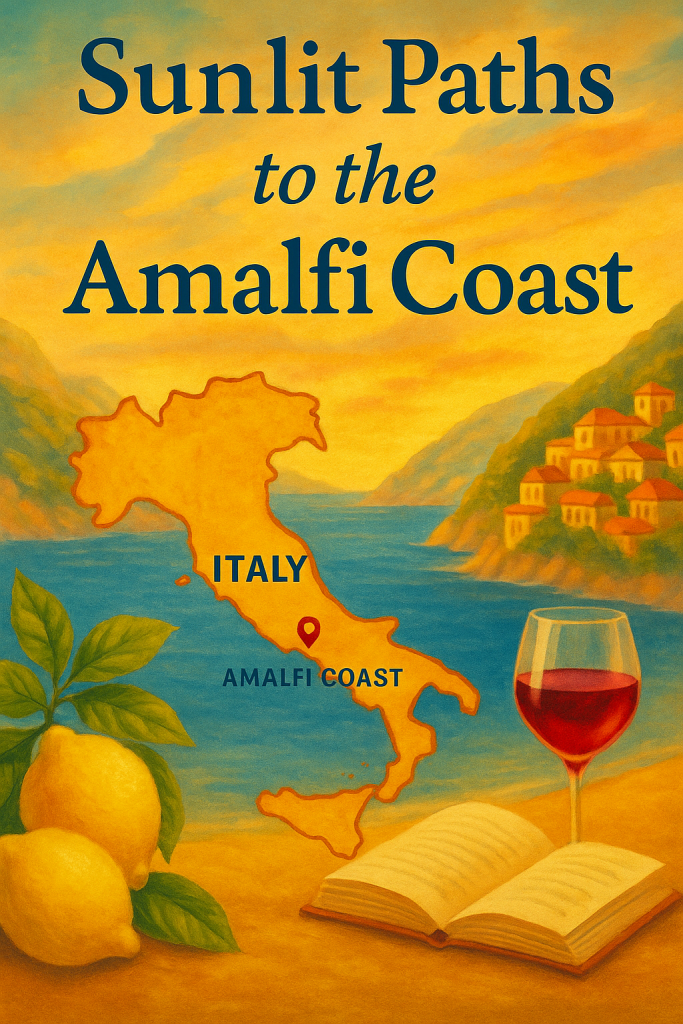
We write as Marina and Miles Ashford. Our novel, Sunlit Paths to the Amalfi Coast: A Love Story Lived, then Written, is adult second-chance / grief-and-healing travel romance. Roughly eighty percent of it grew from years we lived and walked in Italy together. The cover is a painting, not a photograph of us. Sofia Moretti and Tom Bennett are characters; the book is fiction, not a memoir. Marina Miles Books is the imprint. Adult heat exists later in the novel’s arc; daily essays here stay on place, attention, and dignity.
Earlier we published Vietri sul Mare for romance readers as ceramics-harbor climate and Italian olive grove romance as working-olive climate. Those pages stay. This essay owns Italian ceramic workshop romance as Vietri-craft labor climate itself: wheel timing, glaze talk, crates that still feed shopkeepers who are not in your plot, and adult desire that still has to share a workshop that will not rearrange for spa neon.
Craft Labor Versus Soft Vietri Place Wipe
Autocomplete treats Italian ceramic workshop romance as private Vietri with the kiln deleted: emptied shelves, perfect painted tiles that wait for confession, and a bottega that rearranges its hours so soft talk can finish before the next suitcase arrives. Lived workshop grammar is colder and more useful. Glaze still interrupts. Kiln heat still smells like work after noon. Neighbors still walk shop streets who are not in your plot. Soft blurbs cut those facts because soft blurbs sell private Costiera. Civic ceramic romance keeps the living craft.
Italian ceramic workshop romance is not the same door as Vietri sul Mare for romance readers. That page owns ceramics-harbor place climate at the Salerno end: gateway density, harbor hours, town identity. Craft-labor climate asks what the workshop does when adult attention has to share kiln timing and glaze before anyone claims a private tile gallery: wheel noise, crate density, ordinary appetite that will not wait. It is also not Italian olive grove romance. That page owns harvest rows and oil presses. This page requires the ceramic contract: clay still working, glaze still interrupting, living bottega possible without becoming Vietri-town wallpaper.
Readers who type Italian ceramic workshop romance may want packing honesty for a romance-reader craft day, adult dignity that still includes shared kiln heat and shop counters, place pressure that refuses Vietri place erase, kitchen hunger with civic teeth, or simply a long-tail that is not another harbor rewrite. Naming ceramic workshop does not clean the brochure aisle. Learning to hear whether a sample keeps craft labor, glaze honesty, and ordinary appetite in the same sentence does. We refuse ranked listicles. Lists flatten workshops into branding and turn kilns into furniture.
Why Craft Honesty Changes Romance Climate
Desire on a generic Amalfi postcard can float. Desire with an Italian ceramic workshop in the frame has to share labor. A kiln that fills the afternoon forces a shorter apology than either adult planned. A shop table that already holds strangers forces attention to wait beside ordinary appetite. Soft feast language wants private villas and emptied shelves under soft neon. Civic ceramic romance shares the path with glaze schedules, dusty shoes, and neighbors who will not leave early for your breakthrough.
Craft grammar matters because Italian ceramic workshop romance is not Vietri sul Mare with the harbor deleted, and it is not olive grove with clay wallpaper pasted over harvest. The phrase keeps the bottega in the shot: wheel, glaze, a counter that still feeds people who live there. Soft destination fluff dissolves every hard minute into charm and every tile into scenery. Civic romance keeps the labor, the shared crate, and the fact that Vietri-place essays can stay true without turning every kiln into harbor wallpaper.
In our novel’s world, southern kitchens and ordinary hours stay in the shot while Sofia and Tom learn each other again. We will not retell their ending here. We will only say that public craft rooms with ordinary density do narrative work that spa reset cannot: shared timing, shared glaze talk, Capri light on a farther horizon that will not rearrange, history allowed to stay named without becoming the workshop’s problem to solve. Soft blurbs prefer emptied shelves because they photograph cleanly. Civic romance prefers the living bottega because it behaves like Italy.
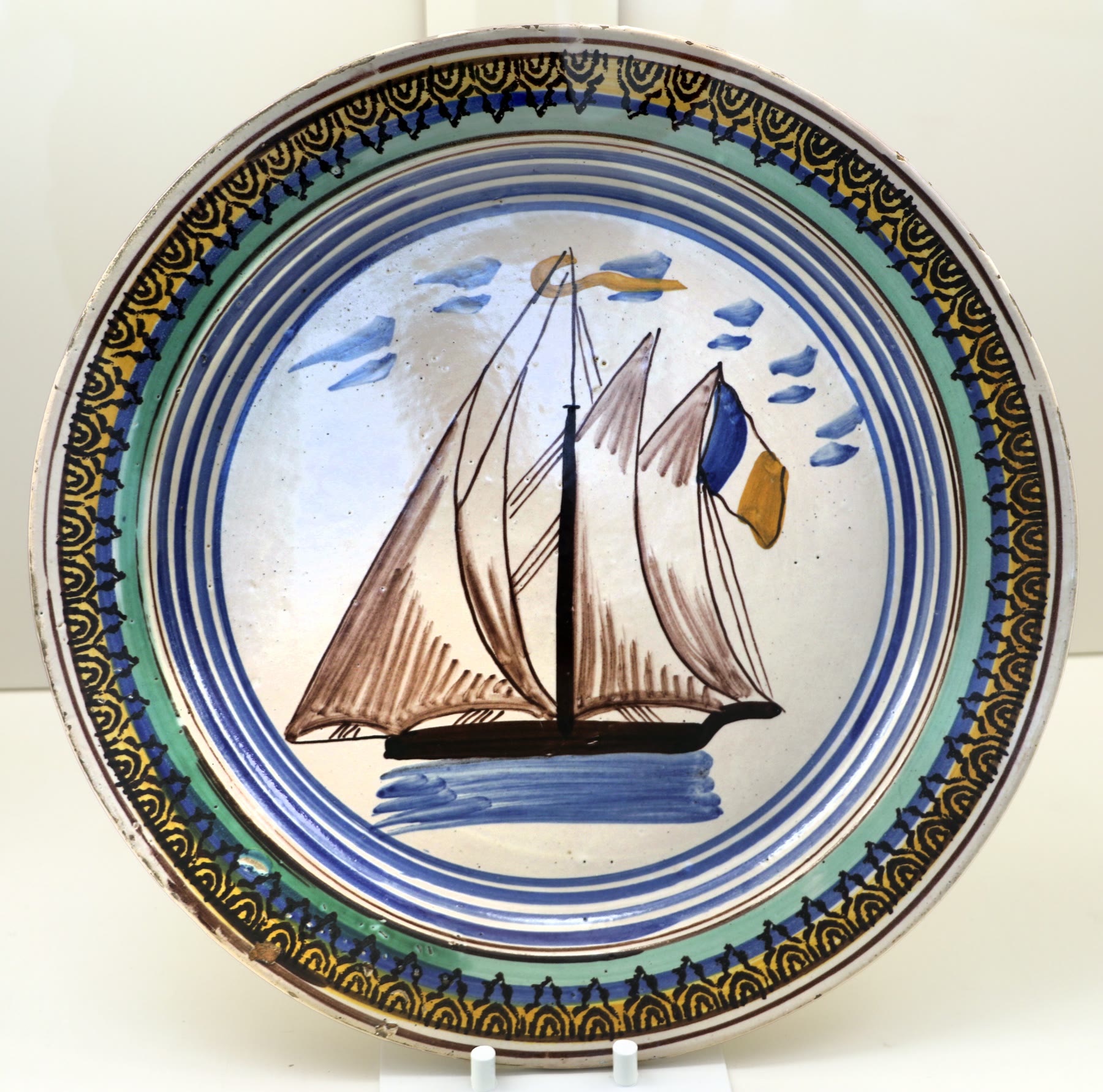
How to Read a Sample Without Cloning Vietri Place Or Olive Essays
Open the free sample, or open a kitchen page with the same honesty. Ignore the cover toast for thirty seconds. Watch what happens to the first workshop hour before anyone claims the harbor as private theater, and watch the first shared counter where conversation has to wait beside ordinary shoppers.
Does someone’s body need kiln heat and glaze timing before the photo stop, or does every hard fact dissolve into charm? Do shared benches, delayed crates, or dusty shoes force a choice, or does the plot float above logistics? Is Italian ceramic workshop romance civic craft-labor climate with teeth, or a private gallery emptied for two? Are two adults negotiating attention in public density, or is one person a tour for the other’s soft reset? Does workshop history stay in the room after the Vietri brochure arrives, or does panorama erase it so the new couple can pretend the coast began without clay?
Those questions separate Italian ceramic workshop romance from a Vietri place or olive-grove clone with romance chili peppers glued on. Our Vietri sul Mare page remains the ceramics-harbor door. Italian olive grove romance remains the harvest hinge. This page requires the craft contract: kiln still working, glaze still interrupting, living bottega possible. If a harbor essay and a workshop counter could be swapped without rewriting behavior, the geography failed even if the title shouted ceramic workshop.
Related searches overlap this hunger: Vietri sul Mare, Italian olive grove romance, Sofia’s Kitchen, Italian coffee bar romance, Walk the Sunlit Paths, Amalfi Coast romance. They are not identical doors. Italian ceramic workshop romance stays the Vietri-craft labor climate: kiln still named, glaze still public, living bottega possible.
A practical neighbor for cooks who want classic Italian kitchen grammar beside craft honesty, without pretending this essay is a free ceramic manual scrape, is Marcella Hazan’s Essentials of Classic Italian Cooking (ASIN 0593534328): technique and regional honesty, not a ranked romance shelf. As an Amazon Associate, Marina Miles Books earns from qualifying purchases. That link is a kitchen door, not a badge. For the novel’s own named dishes and pairings, return to Sofia’s Kitchen; full methods stay in the book.
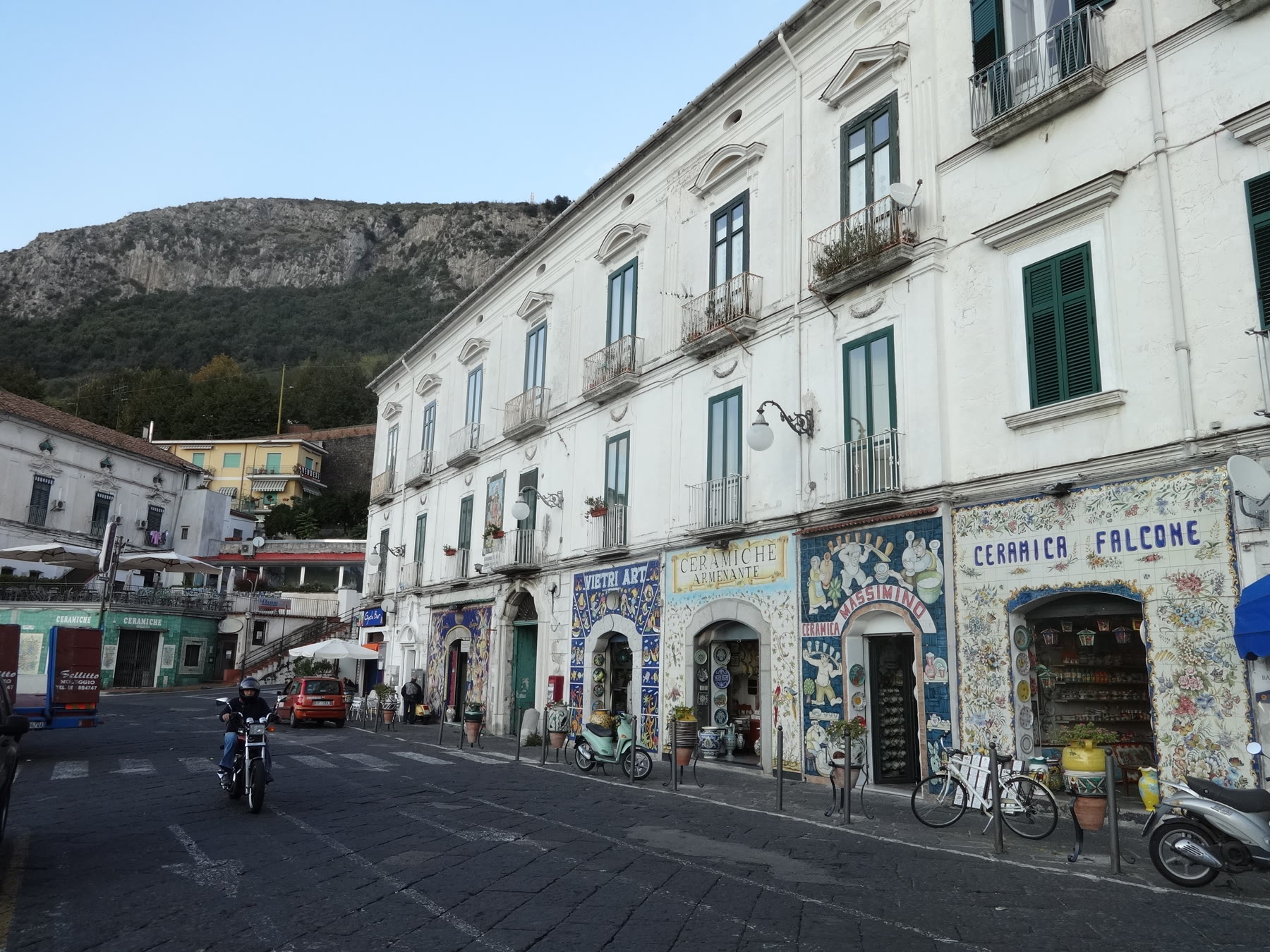
Lived detail stays ordinary on purpose. Dust on shoes while evening shoppers fill a narrow lane. A suitcase that will not roll cleanly over workshop stone. A table that will not empty for confession after the last kiln announcement. Soft blurbs cut them. Samples and kitchen pages with civic teeth keep them.
Also notice what the phrase does not require. It does not require Italian ceramic workshop romance to become a prettier Vietri stop. It does not require the bottega to empty for your couple. It does not require rewriting Vietri sul Mare as if every arrival were already kiln crush. Adult travel romance can love craft labor and still tell the truth about shared glaze. Daily essays here stay on place and dignity; the novel carries its own heat and map in their proper rooms. What Italian ceramic workshop romance needs from us is honesty: public kiln, shared schedules, living craft still working.
If you came from Vietri sul Mare or olive grove essays earlier, keep those pages. They own ceramics-harbor place and harvest climate. This page owns the craft workshop. Italian ceramic workshop romance is not a softer synonym for either. It is a promise that the kiln still has a job while two adults share clay that will not rearrange for spa neon.
One more civic fact belongs beside this phrase. Tourist density in a workshop is not the enemy of dignity; emptied density is. A counter full of strangers can still hold a quiet sentence if two adults are honest. A bottega emptied by authorial privilege can still feel false if kilns and glaze hours have been deleted so the view can perform. Soft blurbs prefer the emptied shelf because it photographs cleanly. Civic ceramic romance prefers the living craft because it behaves like Italy.
When you compare this page with Vietri place and olive-grove essays, keep the difference sharp. Vietri names ceramics-harbor town. Olive names harvest labor. This head requires craft-labor climate: kiln density, glaze talk, public bottega without private-harbor erase. If a blurb uses Italian ceramic workshop romance only as postcard perfume on a generic romance plot, it is not answering the search you typed. If a sample or plan keeps logistics, shared hours, and living density while desire learns whether it can stay, you are closer to the door.
Where Our Book and Kitchen Hub Sit Softly
We point once, then step aside. Sunlit Paths to the Amalfi Coast keeps southern kitchens and ordinary hours in the shot while Sofia and Tom learn each other again. It is not a free ceramic clone. It is one novel that refuses prosecco-only Italy, with Sofia’s Kitchen collecting Costiera and Sicily dishes. Heat as desire begins in Sardinia in the novel’s arc; this post is not a scene list or a steam pitch. If you prefer to begin with the story itself, the Kindle edition waits on Amazon. The hub at Sofia’s Kitchen names plates, regions, and story beats. The Marina Miles author page holds the imprint voice.
Keep the phrase honest. Skip emptied-workshop erase. Read the sample and the kitchen notes for kilns that stay, glaze that will not rearrange, and attention that still has to share a working Italian ceramic workshop. That is what readers mean, often, when they type Italian ceramic workshop romance and hope the craft still has a job.