Southern Italy romance is not Tuscany with hotter weather. The villa-reset contract—honeyed hills, a house that becomes a metaphor, cypress marking property and time—is a true Italy, and a generous one. It is also a different bargain. Sicily, Campania’s Costiera, and the dry climate that leans toward Calabria give a love story heat that ends a terrace, civic towns that will not empty the square, volcanic or limestone geology underfoot, lemon as crop and labor, and the frank inconvenience of ferries and stairs. Those tools change what two people can hold without a speech.
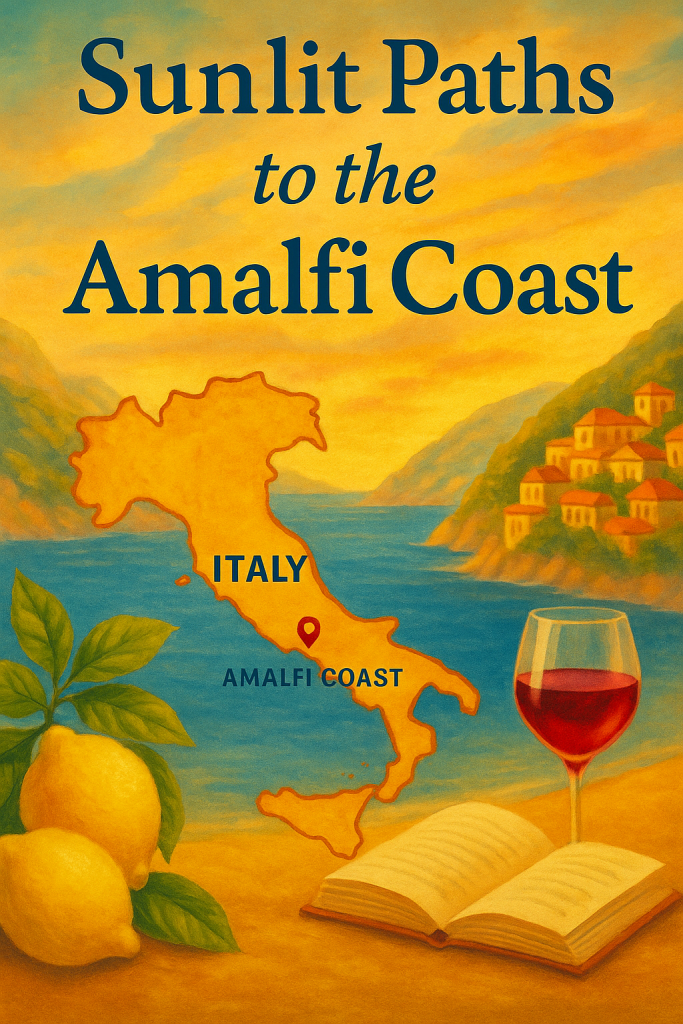
We write as Marina and Miles Ashford. Roughly eighty percent of Sunlit Paths to the Amalfi Coast: A Love Story Lived, then Written grew from years we lived and walked in Italy together. The novel is fiction, not a memoir. Sofia Moretti and Tom Bennett are characters. The cover is a painting, not a photograph of us. Marina Miles Books is the imprint. This essay is about region as craft—what the south actually gives—not a guidebook dump, and not a spice pitch. Heat in the novel begins in Sardinia; this page is about the southern climate that frames the rest.
We have already written a similar-books door for readers who loved a Tuscan villa memoir and want the south instead. That page stays. So does our note on romance set in Sicily, which stays island-specific, and our reader search for books set in the Amalfi Coast. Today we step back one zoom level: southern Italy as a single craft climate, without ranking other novels.
Not Tuscany with Hotter Weather
Inland Tuscany and Umbria excel at the villa-reset. Light softens. Agriculture turns inward. A roof that needs doing can carry a second act. Readers who want that contract should keep it. We will not insult Cortona to praise Catania. What we refuse is the lazy synonym: Italy equals villa, south equals the same villa with more sunscreen.
Southern Italy romance asks different questions of place. Salt air arrives early. Public life stays loud. The day has a hard noon. Private weather has to share the frame with a square that keeps working, a boat that leaves whether you are ready, a slope that costs the knees. The south does not owe anyone an emptied pastoral. When romance books set in Italy treat the peninsula as interchangeable wallpaper—balcony, prosecco, generic “Italian feast”—they miss the contract change. Region is not décor. Region is pressure.
That is why Italian love stories set in the south often feel more like attention than like escape. Attention to heat. Attention to stone. Attention to the person beside you when the terrace plan fails and you have to walk downstairs together.
Heat and Inconvenience as Craft
Heat in the south is not atmosphere sprayed on a scene. It ends plans. Midday thickens conversation or silences it. Shutters close. The street empties for an hour that is not a vacation spa—it is civic habit. Two people who share that hour learn each other’s patience without a monologue about patience.
Inconvenience does similar work. Ferries run on schedules that ignore longing. Stairs punish the fantasy that beauty is free. A road that hugs limestone asks for time you thought you had for a confession. Shared inconvenience is intimate. It is also honest: Amalfi Coast romance that never makes anyone wait for a boat, climb a mule track, or revise a terrace dinner because the wind turned is renting a postcard, not living a coast.
We do not invent tourist-trap “facts.” We name what the day actually costs. Readers who want southern Italy romance with teeth usually want that cost—even when they type a softer phrase into the search box.
Civic Towns vs Emptied Cliffs
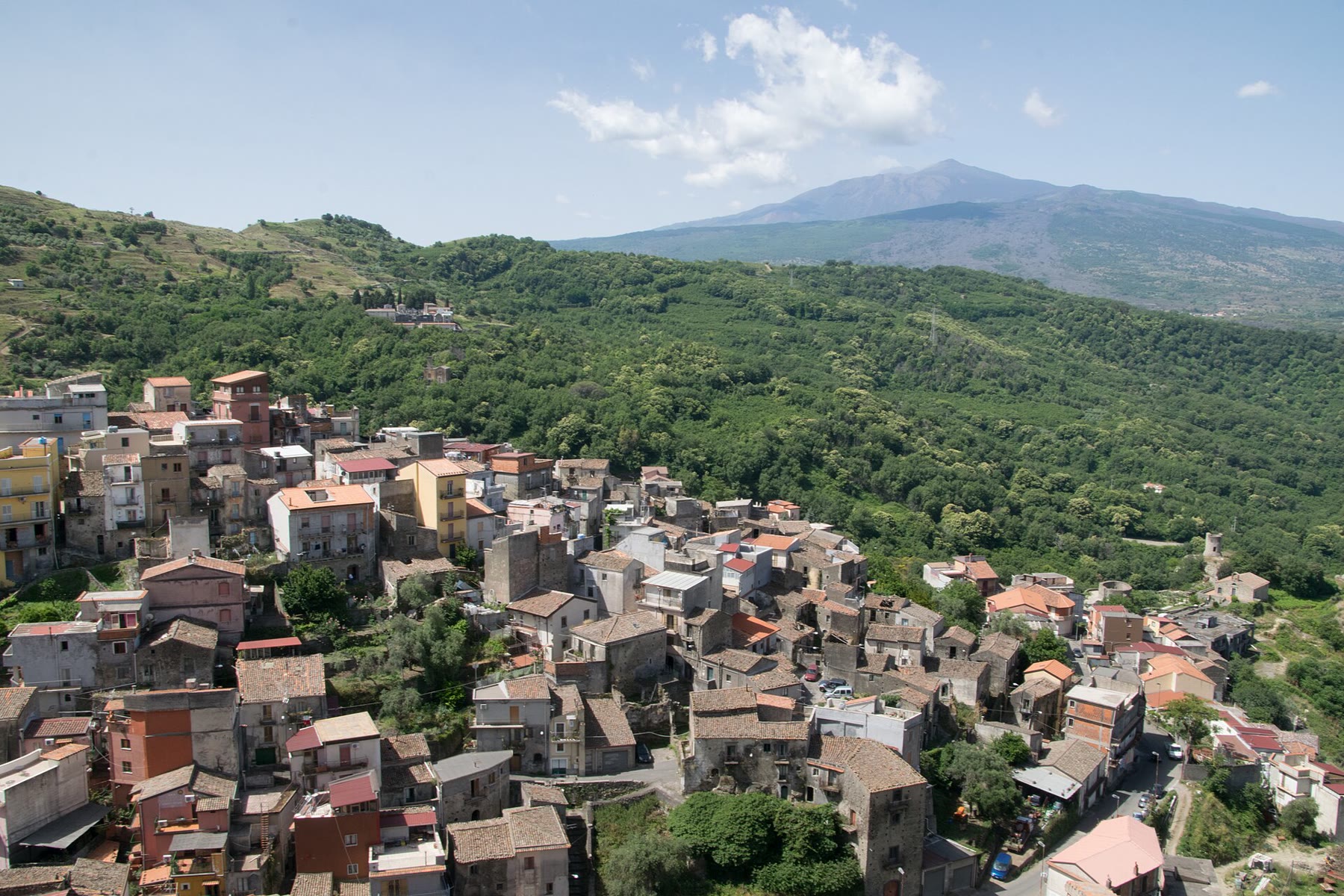
Some romance empties the cliff for a private picnic. The south we know will not cooperate. Motta-type towns in Sicily keep scooters, market hours, and neighbors who have known each other longer than the protagonists have known desire. A square is not a set. It is a working public. That pressure is ethical as well as scenic: hope has to arrive without demanding that the town rearrange itself for a couple’s arc.
On the Costiera the towns stack against stone. Laundry lines, diesel from a harbor, lemon peel in a kitchen—those belong in the same sentence as the view. Sorrento, which readers often search as a Costiera hinge between the Bay of Naples and the Amalfi road, is a real town of citrus, ferries, and summer waits. It is not in our novel. We will not put Sofia and Tom there for SEO. We name it because travelers use it as a hinge, and because hinge towns teach the same craft lesson as Motta: public life continues while private weather changes.
Empty cliffs photograph well. They rarely teach two adults how to stay. Civic towns do.
Geology: Etna and Costiera Limestone
Geology is not a trivia insert. Black volcanic stone in a Sicilian street is not interchangeable with Amalfi limestone. Etna on the horizon changes light, ash, and the sense that the ground has opinions. Limestone cliffs on the Costiera change how a body climbs and how late light turns copper on pale façades. Readers feel the difference even when they cannot name the rock.
Romance set in Sicily that never lets Etna into the weather is missing a character. Amalfi Coast romance that treats limestone stairs as a fitness montage is missing another. Southern Italy romance, taken as a region, lets both geologies remain distinct—volcanic beginning, coastal limestone later—without collapsing them into “pretty south.”
In Sunlit Paths the story begins in Sicily—Etna’s presence, Motta-type civic towns, Catania markets—before it moves toward the Amalfi Coast. We will not invent chapters. We will only say that stone underfoot was never decoration for Sofia and Tom. It was early pressure.
Food Labor, Not a Generic Feast
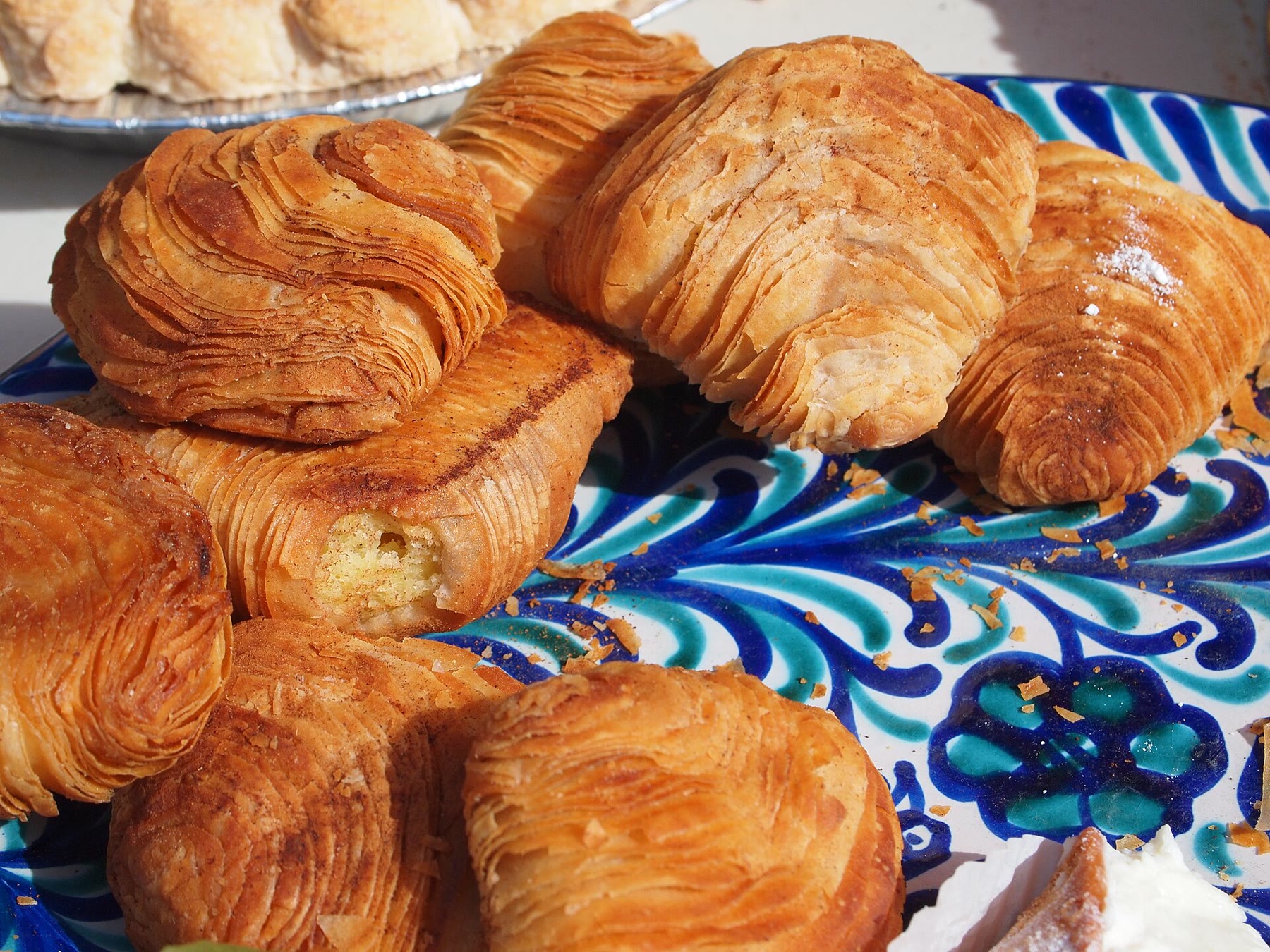
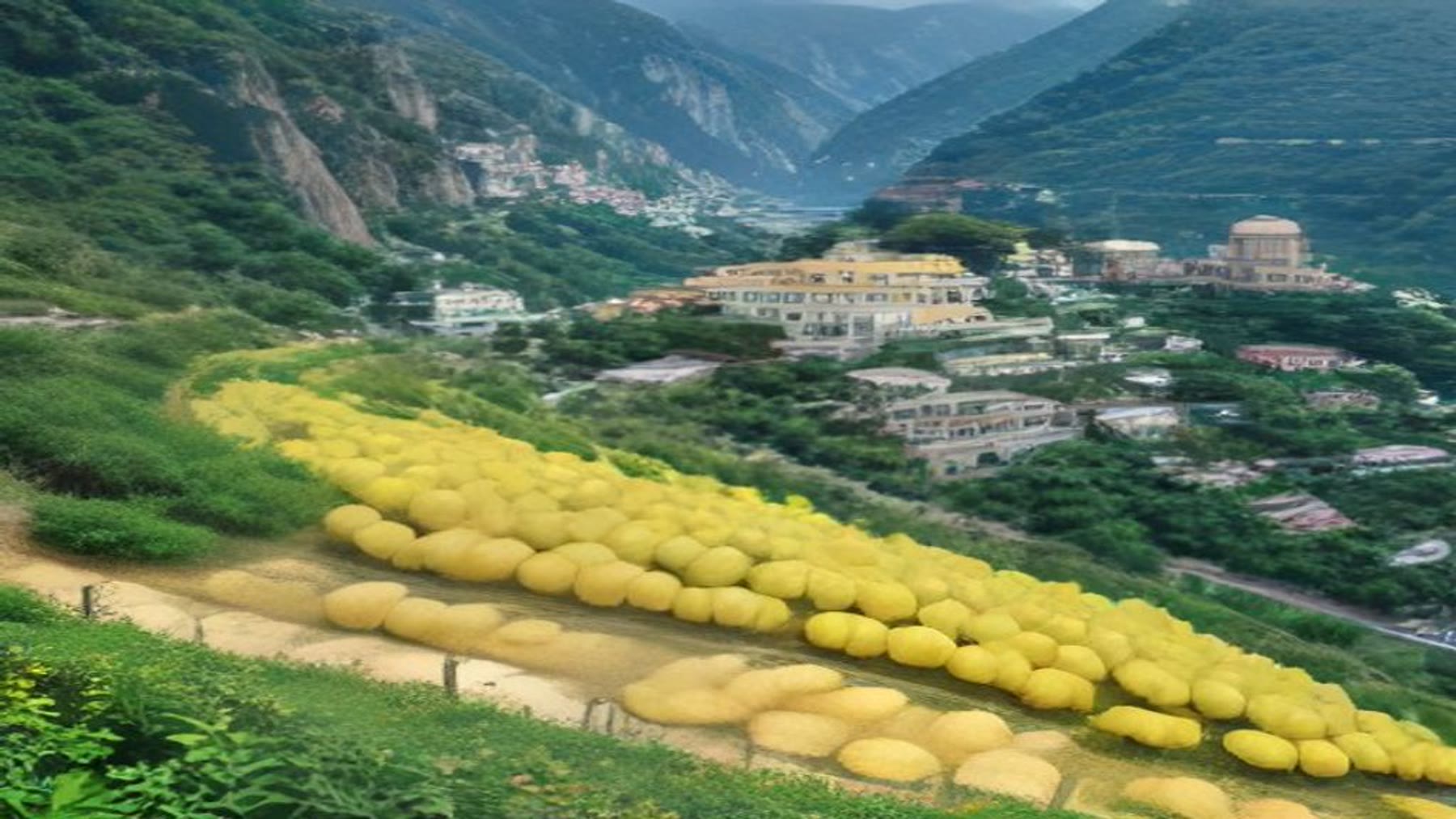
Food in the south is work before it is romance. Pasta alla norma in Sicily argues for tomato, fried eggplant, and ricotta salata—specific, local, not an interchangeable “Mediterranean plate.” On the Costiera, the Amalfi lemon is a crop: terraces, nets, posts, ladders, the labor of holding fruit on a slope that wants to shrug it into the sea. Pasta al limone, when it is honest, needs no cream; lemon, cheese, pasta water, and restraint do the work.
We have written separately about Amalfi Coast cuisine for romance readers. The craft point here is simpler: if the meal could be swapped for a stock-photo feast without rewriting the scene, the region never entered the kitchen. Southern Italy romance that keeps food as labor keeps appetite honest. Taste is how people learn to stay—Sofia and Tom included—without turning dinner into a speech.
Where the Novel Sits in That South
Our book sits inside this climate without claiming the whole map. Sicily first: markets, black stone, norma on a plate, the civic ordinary hour. Then the turn toward the Amalfi Coast—stairs, salt, lemon as work, heat that revises plans. Adult second-chance and grief-and-healing travel romance. Not steam marketing. Not a memoir with the names filed off. Not Sorrento chapters we do not have.
If you want the walking cousin of that lived Italy—Path of the Gods country, coastal days, the map as we still recommend meeting it—our hub Walk the Sunlit Paths gathers towns and paths without turning them into merch. For how years in Italy became fiction under pen names, the author page stays short and true.
We point once to the story, then step aside. Sunlit Paths to the Amalfi Coast is one southern Italy romance among others that keep civic days and place-pressure in the frame. If you prefer to begin with the pages themselves, the Kindle edition waits on Amazon.
Readers who arrived through the Tuscan villa magnet already know there is a different second act waiting south of that contract. Our similar-books note on books similar to Under the Tuscan Sun opens that door. This essay names what you find after you walk through: heat, civic towns, geology, lemon labor, inconvenience—the south as craft, not hotter weather with the same plot.
Keep the square working. Keep the stone distinct. Keep the lemon on the terrace as work. Wanting, when it returns in southern Italy romance, has to share the frame with all of that—and that is why it feels earned.