
Choosing the best Amazon KDP categories in 2025 is one of the most important decisions an independent author can make. Categories influence how readers find your book, how Amazon ranks your title, and how your story competes inside your genre. Many authors guess their categories and never reach the visibility they deserve. With a strategic approach, you can use categories to improve discoverability and increase long term sales.
Amazon now uses a metadata driven system to assign categories. Instead of selecting categories directly inside KDP, authors guide Amazon using BISAC codes, keyword phrases, descriptions, and subtitles. As a result, the categories you end up in depend on the strength and consistency of your metadata. This makes proper research even more important in 2025.
Why Categories Matter for Indie Authors
Categories matter because they influence several major parts of your book’s success. First, they help readers discover your book in the right sections of the Kindle Store. Second, they determine whether you can reach the top 100 bestseller lists that boost long term visibility. Third, they shape your Also Bought relationships. Finally, they influence your competitiveness in your genre.
A thoughtful category strategy increases exposure. In contrast, weak category choices bury your book among thousands of competing titles.
Understanding Amazon’s New Category System
Amazon’s newer category system relies heavily on metadata. The platform analyzes every detail of your book’s information and places it into categories that match your signals. As a result, your BISAC codes and keywords matter more than ever.
Several signals guide the system:
BISAC codes selected in KDP
The seven backend keyword phrases
Your subtitle wording
Relevant words inside your description
Competitor associations
A+ Content language
When these signals match, Amazon confidently places your book into the correct category family.
Graph 1: What Influences Category Placement the Most
Category Influence Weight (2025)

BISAC Codes................ ██████████████ 80%
Backend Keywords........... ███████████ 65%
Subtitle Language.......... █████████ 55%
Book Description........... ████████ 50%
Author Comparison Signals.. ██████ 40%
A+ Content................ █████ 35%
The chart shows that BISAC codes and backend keywords carry the strongest influence.
How to Select the Best BISAC Codes
Selecting accurate BISAC codes helps Amazon understand your genre quickly. Begin by searching the BISAC database and finding the most specific code that fits your book. Avoid generic codes such as Fiction General. Instead, choose precise descriptions that reflect your story’s tone.
For example, a contemporary love story fits ROMANCE Contemporary. A psychological thriller fits FICTION Thrillers Psychological. A leadership book fits BUSINESS Leadership.
Precise BISAC codes increase your chances of landing in the correct Kindle categories.
How to Use Keywords to Guide Category Placement
Your keywords support your BISAC codes and refine the signals Amazon receives. Each keyword phrase pushes Amazon toward a more specific subcategory. For example, the phrase small town clean romance points to Clean and Wholesome Romance. The phrase Italy travel love story points to Travel Romance. The phrase cozy mystery female detective suggests Cozy Mystery.
Keyword accuracy helps Amazon understand what readers will expect from your book. When your keywords and BISAC codes work together, category placement becomes predictable.
Chart: Keyword Phrases and Their Category Signals
Keyword Phrase Example                  | Category Signal
small town clean romance                | Romance > Clean & Wholesome
Italy travel love story                 | Romance > Travel Romance
spicy enemies to lovers                 | Romance > New Adult & College
psychological thriller missing wife     | Thriller > Psychological
cozy mystery female detective           | Mystery > Cozy
self help guide for women               | Self Help > Women’s Personal Growth
These examples show how keyword phrases influence subcategory assignments.
How Competitive Should Your Categories Be?
Many authors choose very small categories to achieve a quick bestseller tag. Although this strategy works occasionally, it does not always provide strong exposure. Medium sized categories usually provide the best balance of visibility and ranking potential.
A simple way to measure category difficulty is to look at the sales rank of the number one book in that category. If the top book has a rank under 2,000, the category is very competitive. If the top book has a rank above 20,000, the category is easier to rank in. Medium competition categories strike the best balance for most indie authors.
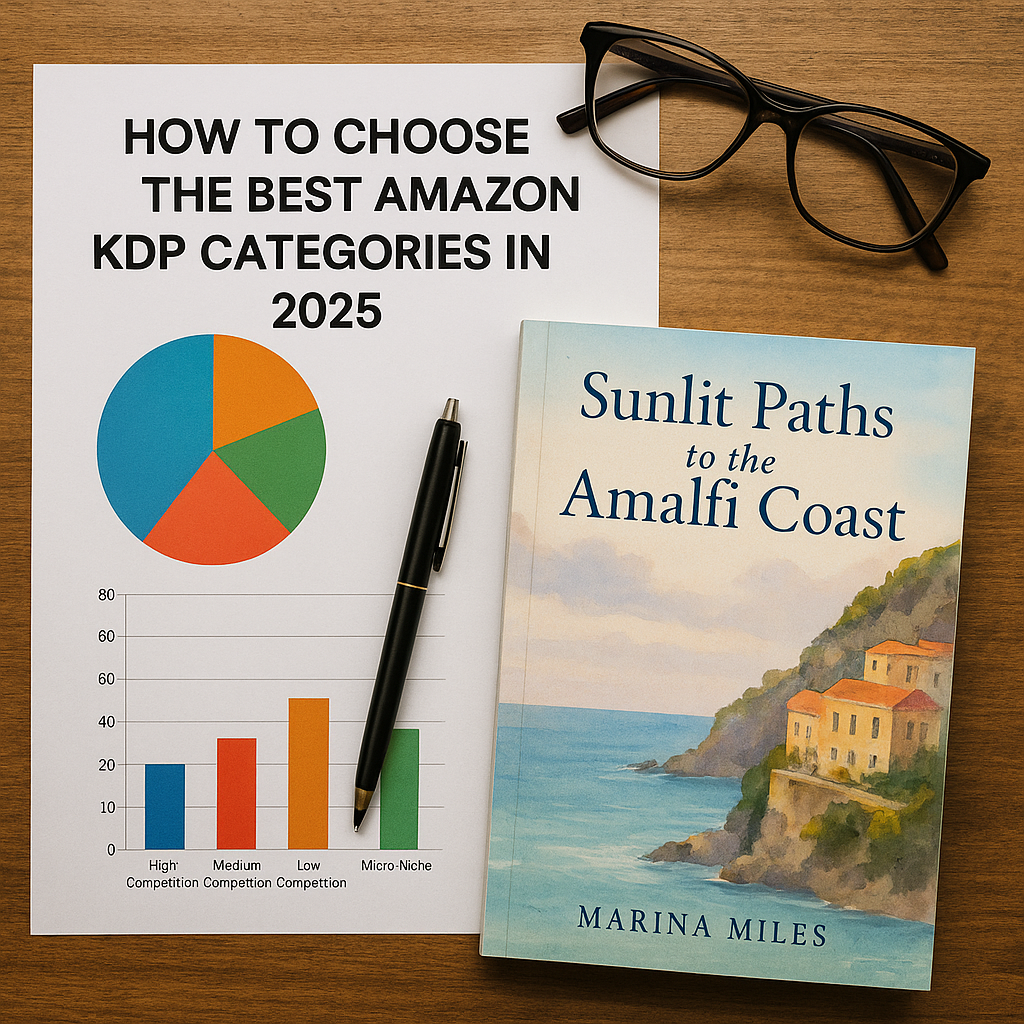
Graph 2: Category Size vs Ranking Difficulty
Category Type            | Avg Rank Needed for Top 10
High Competition........... 1,000 to 2,000
Medium Competition......... 5,000 to 10,000
Low Competition............ 20,000 to 40,000
Micro Niche................ 40,000 to 80,000
These numbers highlight the ranking expectations for different category sizes.
How to Request Additional Categories
Amazon allows authors to request additional categories through Author Central. After your book is live, you can request up to 10 additional categories by submitting the full category paths.
To do this, go to Author Central and open the Help section. Then select Amazon Book Details Change. Choose Update Categories and paste the categories you want. Amazon adds them when your metadata supports the request.
How Often Should You Update Categories?
Updating categories every six months keeps your metadata fresh. Since reading trends change, you want your categories to reflect the strongest trends inside your genre. If new micro niches emerge, adjusting your categories helps you stay relevant.
Regular updates also give Amazon new signals that improve visibility.
Mistakes to Avoid
Several mistakes reduce category performance. Avoid irrelevant categories. Avoid misleading categories that confuse readers. Avoid ignoring your keywords. Finally, avoid chasing categories that do not match your book’s promise. Your categories should always reflect your story’s true content.
Final Thoughts: Categories Are a Strategic Advantage
Categories play a powerful role in ranking, visibility, and sales. With accurate BISAC codes and intentional keyword placement, you can guide Amazon to place your book exactly where it belongs. This strategic approach increases exposure and improves conversions.
A strong category strategy gives indie authors a competitive advantage. When you use categories wisely, you help readers discover your book and strengthen your long term success in the Kindle Store.