1. The Soul of the Amalfi Coast
The Amalfi Coast is known for its beauty, its colors, and its breathtaking views, but beneath the surface lies a story of light, resilience, and renewal. In this region where cliffs meet sea and sun warms every terrace, nature becomes poetry. Among all its emblems, one symbol rises above the rest: the lemon.
Golden, fragrant, and filled with warmth, the Amalfi lemon captures the soul of southern Italy. It represents not just flavor, but feeling. For travelers, lovers, and writers, it embodies everything that makes this region unforgettable. It is the taste of sunlight and the scent of love.
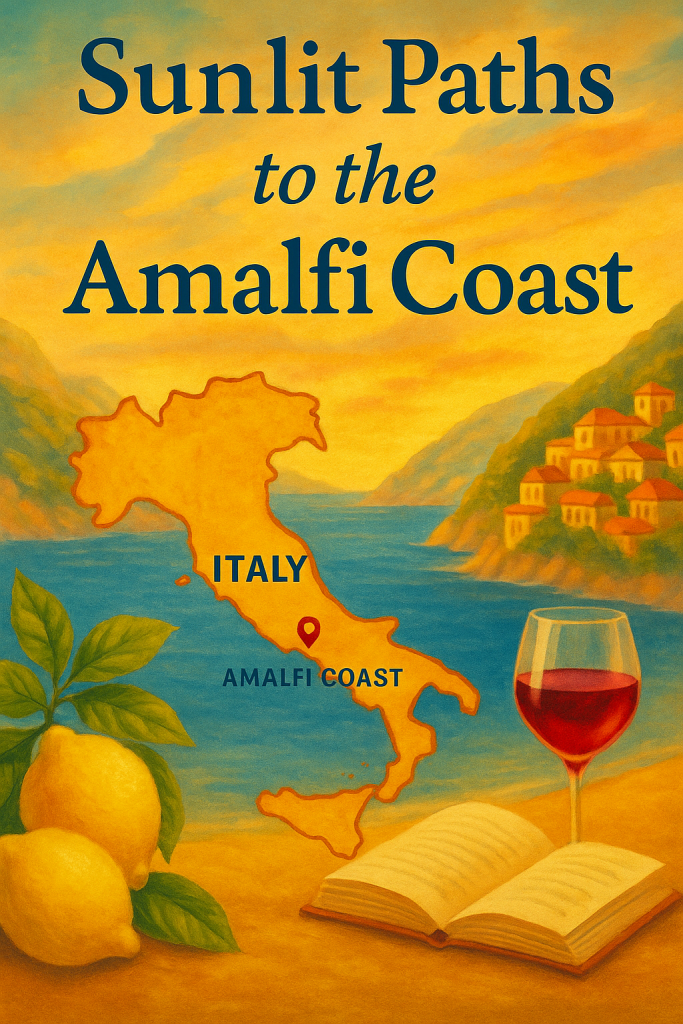
For author Marina Miles, whose new novel Sunlit Paths to the Amalfi Coast captures this balance of beauty and emotion, the lemon is more than a fruit. It is a symbol of hope and rebirth, woven into both landscape and love story.
2. A History Written in Citrus
The lemon has deep roots in Amalfi’s past. Introduced by the Arabs during the medieval period, it became essential to the region’s economy, medicine, and identity. The rugged coastline made large-scale agriculture difficult, yet lemons thrived.
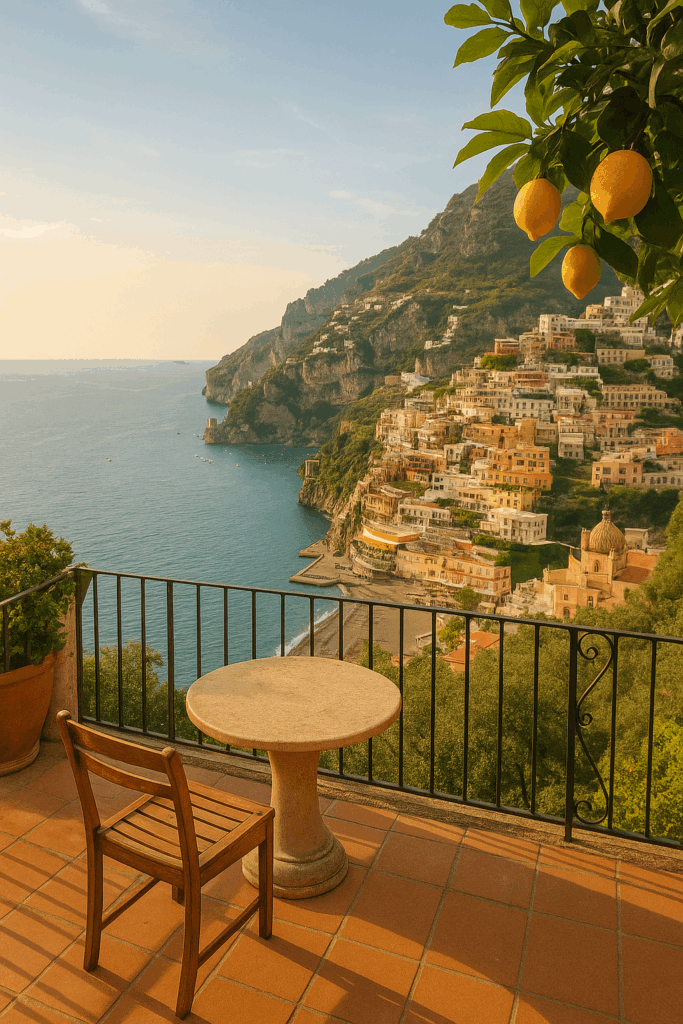
Over time, the sfusato amalfitano, a unique elongated lemon known for its fragrance and sweetness, came to define the area. These lemons, still grown on steep terraces overlooking the Mediterranean, became the symbol of local resilience.
The people of Amalfi built walls, terraces, and irrigation systems by hand to cultivate them. Every step through the lemon groves tells a story of dedication and endurance. The fruit that brightens each morning espresso or laces a glass of limoncello is the same fruit that sustained families for generations.
In many ways, this mirrors the heart of Italian romance. Love here, like the lemon, is patient. It requires care, time, and sunlight to flourish.
3. Lemons as a Language of Love
Every culture has its symbols of affection, and in southern Italy, the lemon represents the bittersweet side of love. It is bright and alive, yet tart and fleeting. Its duality mirrors the experience of passion itself.
In Sunlit Paths to the Amalfi Coast, Marina Miles uses this imagery throughout her story. A single lemon tree outside a villa becomes a quiet witness to joy, loss, and reunion. Its branches hold not only fruit but meaning.
The lemon’s golden color is tied to warmth and devotion, while its scent evokes memory. Italians often say that love is not found but cultivated, much like the lemons that cling to the terraces. The act of nurturing a grove, pruning it through storms and seasons, becomes a metaphor for human connection.
The lemon, in this sense, is not only part of the Amalfi landscape but part of its soul.
4. The Light That Defines Everything
If lemons are the Amalfi Coast’s heart, light is its spirit. There is something about the way sunlight touches this coastline that transforms even ordinary scenes into moments of wonder.
Writers and painters have long tried to capture this light. It is soft yet strong, golden but never harsh. It seems to glow from within, illuminating the walls, the water, and even the air itself.
For travelers, that light becomes emotional. It invites reflection. It turns simple walks into revelations. And for lovers, it becomes a reminder that beauty often lives in the smallest moments — the glint of sun on the sea, the play of light through a lemon tree, the way evening softens everything into gold.
In Sunlit Paths to the Amalfi Coast, light becomes its own character. It reveals truth, forgives, and heals. It follows the characters as faithfully as the tide. This connection between natural light and emotional clarity defines both the novel and the region that inspired it.
5. The Taste of the Mediterranean
Travelers who visit the Amalfi Coast in 2026 will find that food, landscape, and emotion are inseparable. Every flavor tells a story. A glass of limoncello after dinner, a slice of lemon cake in Ravello, or a drizzle of citrus over fresh seafood in Positano carries the essence of the coast.
This relationship between place and palate reflects a deeper truth about Italian culture: to taste is to remember. Every bite connects past and present.
In Marina Miles’ writing, this theme repeats often. Her characters savor not just meals but moments. They discover that the act of sharing food — or even pausing long enough to notice the sunlight on the table — becomes an act of love.
The Amalfi Coast reminds visitors that joy is not in speed or excess, but in appreciation. The lemon teaches that life’s sweetest moments often come with a touch of sharpness.
6. The Lemons of Amalfi as Art
Beyond cuisine, lemons are everywhere in the art and architecture of Amalfi. Ceramic shops display hand-painted tiles covered in yellow fruit, green leaves, and blue waves. Murals, tableware, and mosaics celebrate the lemon as the emblem of southern Italy.
These bright images carry layers of symbolism. They represent renewal, optimism, and continuity. The repetition of lemons in local art is not simply decorative; it is a reminder that the people of Amalfi live in partnership with nature.
Visitors can see this tradition in the ceramics of Vietri sul Mare, where artisans have painted lemons for centuries, each brushstroke a tribute to the light that defines the coast.
In this way, art, like love, becomes a collaboration between people and place. Every handmade piece echoes the same harmony that Sunlit Paths to the Amalfi Coast captures in words.
7. The Symbolism of Color
Color plays an essential role in how Italians see the world. On the Amalfi Coast, yellow dominates, but it is never alone. It contrasts with the deep blues of the sea and sky, the soft whites of the cliffs, and the vibrant greens of the lemon leaves.
Together, these colors form a palette that symbolizes harmony. Yellow stands for joy and awakening, blue for peace and depth, green for growth and renewal.
Marina Miles often describes scenes in her writing using these very tones. The yellow of dawn, the blue reflection of twilight, and the green of the terraces all mirror her characters’ emotions. The landscape becomes a mirror of the soul, transforming setting into story.
8. The Path Between Reality and Fiction
For many readers, Sunlit Paths to the Amalfi Coast feels real enough to touch. That is because the places within it exist. The lemon groves of Minori, the stone steps of Atrani, and the glow of Praiano’s sunsets are all drawn from real life.
Yet the novel does more than describe them; it interprets them. It translates the visible into the emotional, showing how place can shape destiny.
This is why setting matters so deeply in romantic fiction. When written truthfully, it becomes a reflection of human experience. On the Amalfi Coast, love is not separate from place. The air, the sea, and the light are all part of the same story.
9. The Enduring Power of the Amalfi Lemon
Even as the world changes, the lemons of Amalfi remain a constant. Families still harvest them by hand. Farmers still tend to each terrace with care. The fruit continues to appear in literature, art, and song.
Its endurance makes it the perfect symbol for love that lasts beyond circumstance. Relationships, like lemon trees, need attention and sunlight to thrive. They need strong roots to survive the storms.
In Marina Miles’ world, this becomes more than metaphor. It becomes a philosophy. The lemon, with its balance of sweetness and strength, represents the very heart of the Italian way of loving — honest, patient, and luminous.
10. A Final Reflection: What the Amalfi Coast Teaches Us
To walk the Amalfi Coast is to enter a conversation between light and life. Every color, scent, and flavor becomes part of a larger story. The lemons remind us to appreciate contrasts, to embrace both the sweet and the sharp. The light teaches that truth often reveals itself in quiet moments.
Love, like the landscape, is timeless because it evolves with the seasons. It grows stronger through patience and glows brighter when shared.
In Sunlit Paths to the Amalfi Coast, Marina Miles captures this perfectly. Her story is not only about two people, but about the light that guides them, the lemons that nourish them, and the place that transforms them.
The Amalfi Coast continues to remind readers and travelers alike that beauty and love are never far apart — they live in the same sunlight that falls upon every lemon tree by the sea.